🕌 Religion & Faith
Live
161 years after Juneteenth, there is unfinished work of freedom
(RNS) — The forces that threaten freedom continually take new forms.
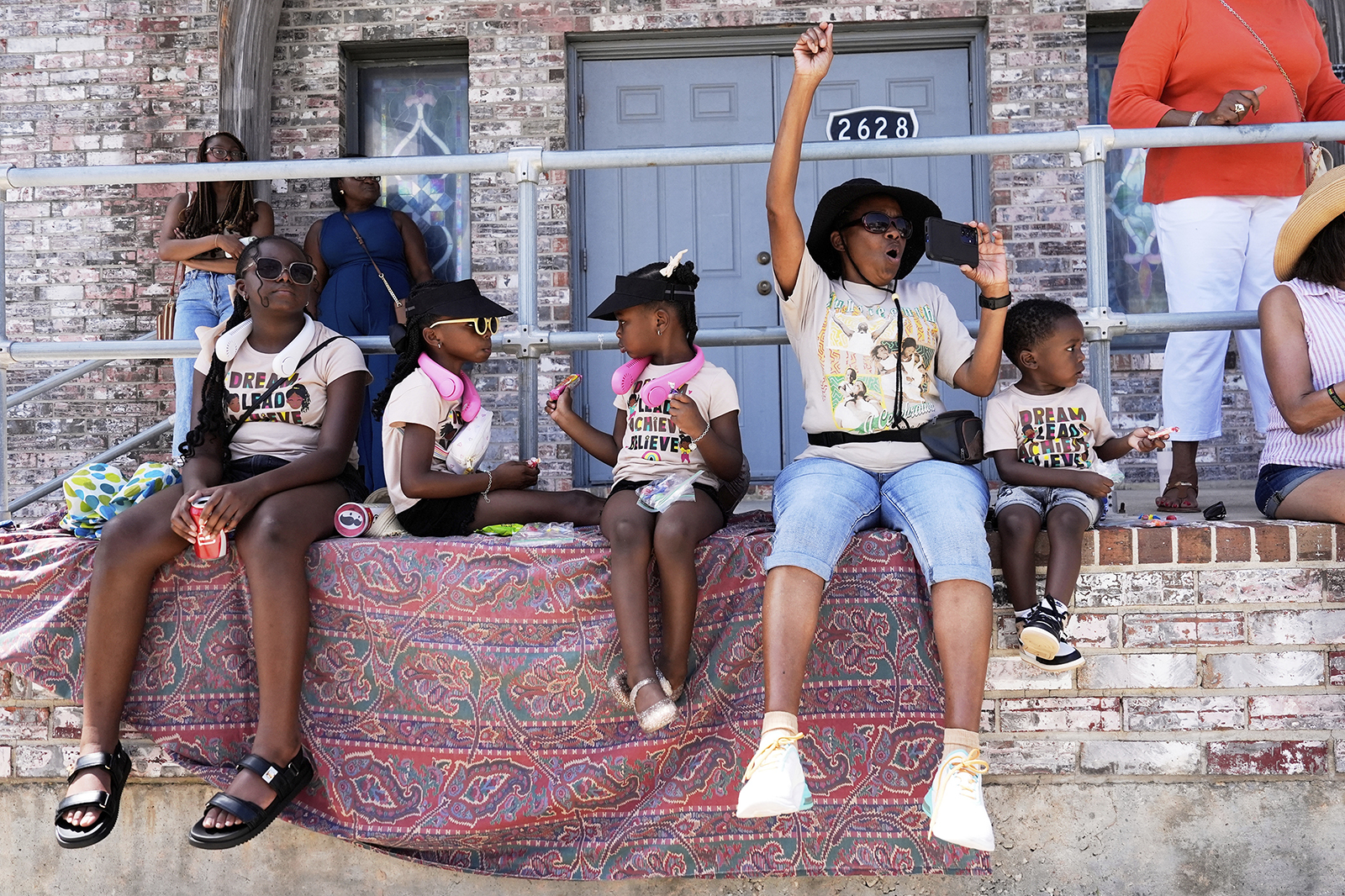
Religion News Service — 18 June 2026
Text:
27
0
0
(RNS) — The forces that threaten freedom continually take new forms. This report comes from Religion News Service. The story centres on 161 years aft
Read Full Story at Religion News Service →
⚡ Quickyla Analysis
Original editorial context — not sourced from the article above
The observance of Juneteenth as a federal holiday marks both a milestone and a reminder: freedom, once declared, is a living fight, not a finished one. Sixteen decades after the last enslaved Black Americans in Texas learned of their emancipation, the holiday’s annual commemoration arrives amid a resurgence of legal and cultural assaults on the freedoms Black Americans—and other marginalized communities—have painstakingly secured. This tension between celebration and ongoing struggle underscores a paradox at the heart of American democracy: the ideals of liberty and justice are perpetually deferred, reshaped by the very systems they were meant to transcend.
The broader significance of this moment lies in its exposure of how freedom is not a static achievement but a contested terrain. The rollback of voting rights protections, the erosion of reproductive freedoms, and the criminalization of protest are not isolated incidents but coordinated efforts to redefine who belongs in the body politic. These developments echo historical patterns where the expansion of rights for some has always been met with backlash from those who benefit from exclusion. The Juneteenth holiday itself, long observed in Black communities before its federal recognition, serves as a corrective to narratives that frame freedom as a top-down decree rather than a grassroots struggle.
What remains uncertain is whether this latest cycle of retrenchment will galvanize sustained resistance or normalize regression. The persistence of racial wealth gaps, the militarization of policing, and the rise of book bans targeting Black and LGBTQ+ histories suggest that the unfinished work of freedom extends beyond the ballot box into the very fabric of public memory. Yet the resilience of movements like Juneteenth’s evolution—from local observance to national reckoning—hints at a countervailing force: the capacity of communities to reclaim and redefine their own liberation.
In a broader context, this story intersects with global struggles over self-determination, from the rise of authoritarianism abroad to the backlash against diversity in Western democracies. The fight for freedom, it seems, is not America’s alone—but its outcomes here will reverberate far beyond its borders.
Sources

🕌 Religion & Faith
Defense Department rejiggers list of recognized religions after backlash, narrows it to 30

🕌 Religion & Faith
Odiong guilty in Texas: Questions remain for several Church leaders

🕌 Religion & Faith
Pope Leo XIII updates just war theory
🕌 Religion & Faith
Trump’s latest attack on Leo XIV isn’t really about the pope

🕌 Religion & Faith
High hopes, many challenges for Bangladesh’s first Indigenous Catholic MP
🕌 Religion & Faith
Photos of the Week: Ebola responses, end of Hajj

