💻 Technology
Live
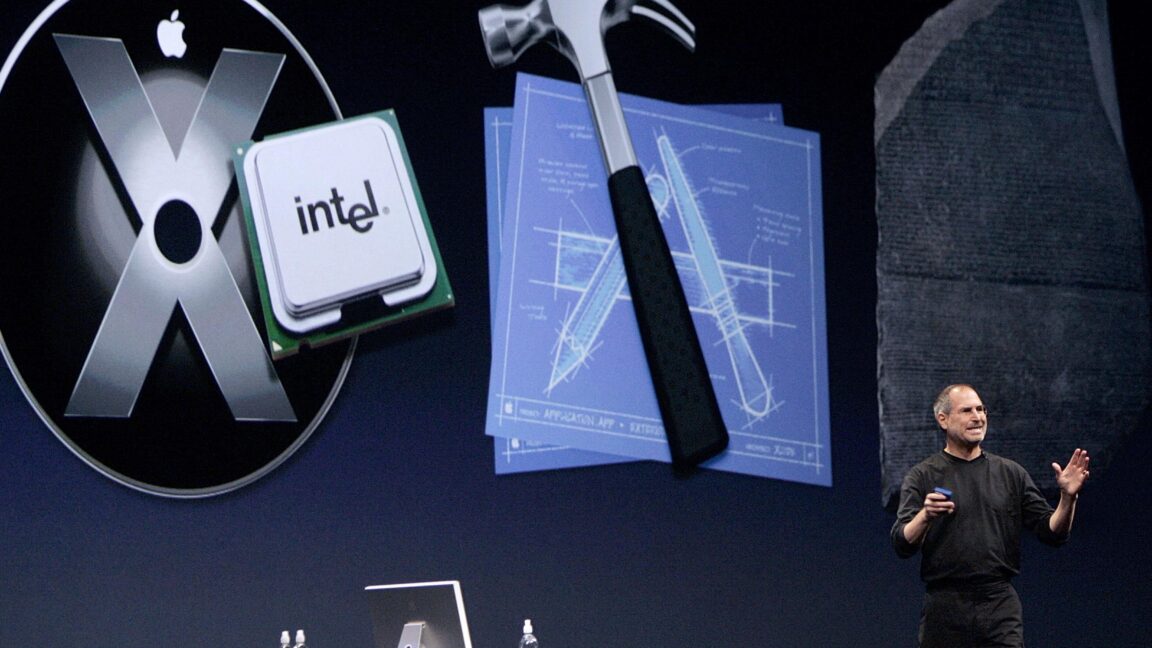
20 years of Intel Macs: Why Apple switched, and why it switched again
Remembering the ups and downs of the Intel Mac era as it finally winds down.
Ars Technica — 15 June 2026
Text:
10
0
0
Remembering the ups and downs of the Intel Mac era as it finally winds down. This report comes from Ars Technica. The story centres on 20 years of In
Read Full Story at Ars Technica →
⚡ Quickyla Analysis
Original editorial context — not sourced from the article above
Twenty years ago, Apple’s decision to transition from PowerPC to Intel processors marked a pivotal shift in the company’s history, one that reshaped its relationship with developers, consumers, and the broader tech industry. That move was more than a hardware upgrade—it was a strategic pivot that aligned Apple with the dominant x86 architecture, ensuring compatibility with the vast ecosystem of PC software while also allowing the company to leverage Intel’s manufacturing scale. For years, the Intel Mac era delivered performance gains, broader software support, and a new level of stability, but it also came with trade-offs: higher power consumption, bulkier designs, and a growing disconnect between Apple’s vision and the constraints of legacy PC architectures.
The significance of this transition—and now its reversal—extends beyond mere hardware. It reflects Apple’s relentless pursuit of integration, control, and differentiation. The shift back to custom silicon, culminating in the Apple Silicon era, underscores the company’s belief that vertical integration—designing both the chips and the software that runs on them—is the key to unlocking innovation. This approach has already yielded dividends in efficiency, battery life, and performance, particularly in machine learning and graphics-intensive tasks. Yet the Intel era’s legacy persists in lingering compatibility issues, as some professional applications and niche software still rely on legacy frameworks that have yet to be fully optimized for Apple Silicon.
Looking ahead, the biggest open question is whether Apple can sustain this momentum without alienating its professional user base. The transition has been largely smooth, but industries like video editing, 3D rendering, and scientific computing still depend on software that may never see native Apple Silicon versions. Meanwhile, competitors like Qualcomm and AMD are pushing their own integrated solutions, forcing Apple to continually innovate to stay ahead.
Ultimately, the Intel Mac era was a bridge between two eras of computing—one defined by compromise, the other by ambition. Its conclusion doesn’t just mark the end of a two-decade chapter; it signals Apple’s commitment to a future where its hardware and software evolve in lockstep, even if the path forward demands tough choices about compatibility and ecosystem loyalty.
Sources

💻 Technology
You can now beat ChatGPT Codex rate limits, if you have friends

💻 Technology
Cash App made a magic wand for contactless payments

💻 Technology
Coders are refusing to work without AI — and that could come back to bite them

💻 Technology
Hackers hijacked Instagram accounts by tricking Meta AI support chatbot into granting access

💻 Technology
‘Backrooms’ $118M WW Bonanza; ‘Obsession’ Obsessed With $148M WW; ‘Michael’ Nearing $900M WW – Global Box Office Update

💻 Technology
Asus gives the ROX Xbox Ally the OLED screen it deserves

