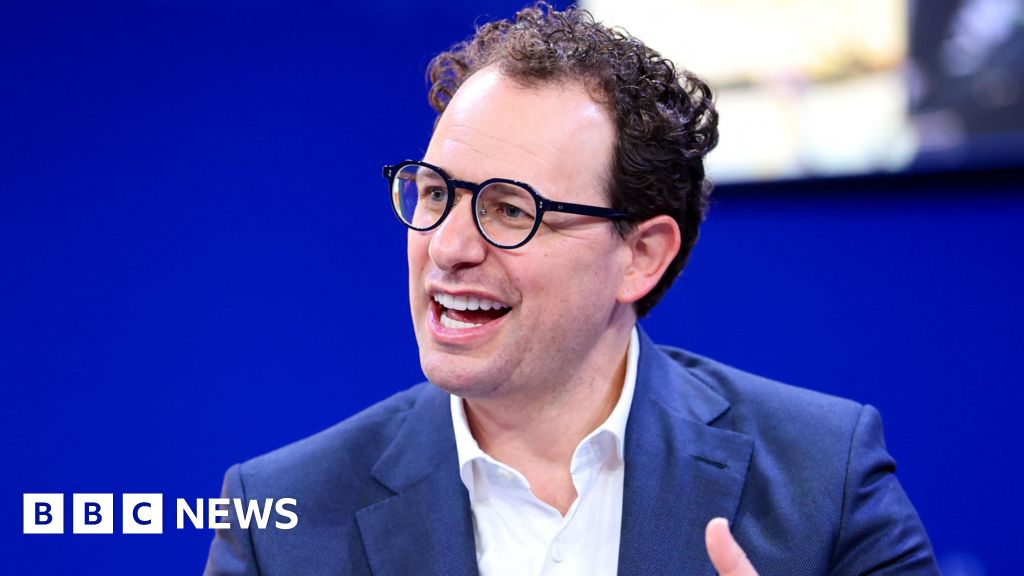
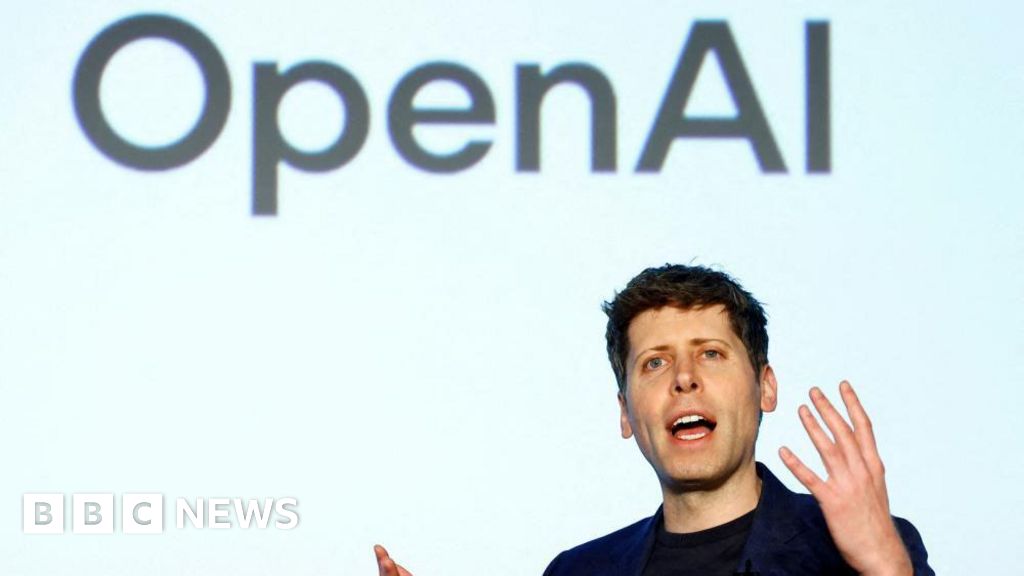
Disney’s Bob Iger, Amazon’s Andy Jassy step down
Four high-profile CEOs, including Disney's Bob Iger and Amazon's Andy Jassy, are stepping down, replaced by operational experts like Kevin Mayer and Matt Garman. This shift reflects investor demand fo
Four high-profile American CEOs are stepping down, paving the way for a new generation of leaders focused on nuts-and-bolts operations over charisma.
Read Full Story at Business Insider Mkt →Why This Matters
The departure of iconic CEOs like Bob Iger and Andy Jassy signals more than just a changing of the guard—it reflects a fundamental reevaluation of leadership in corporate America. Investors, increasingly skeptical of visionary but volatile leadership styles, are demanding executives who prioritize operational discipline over charismatic disruption, reshaping the very definition of what it means to lead a Fortune 500 company.
Background Context
Over the past decade, activist investors have gained unprecedented influence over boardrooms, pressuring companies to deliver consistent returns rather than chase long-term growth narratives. The rise of private equity and the dominance of metrics like EBITDA over market share have elevated operational experts—those who excel at cost-cutting, supply chain optimization, and incremental innovation—over transformational leaders who once defined the tech and entertainment sectors.
What Happens Next
Expect a wave of short-term focus as new CEOs implement restructuring plans to boost quarterly performance, possibly at the expense of bold strategic bets. Boardrooms will likely tighten oversight, making it harder for future leaders to pursue high-risk, high-reward initiatives. The big question: Will investors reward this shift with higher valuations, or will they miss the boldness of their predecessors?
Bigger Picture
This leadership transition mirrors a broader shift in corporate governance, where the cult of the CEO—once celebrated for audacious visions—is giving way to a more bureaucratic, efficiency-driven model. As economic uncertainty lingers and shareholder primacy tightens, the era of the "disruptor CEO" may be waning, replaced by a generation of managers who see their role as stewards of stability rather than architects of change.