💻 Technology
Live
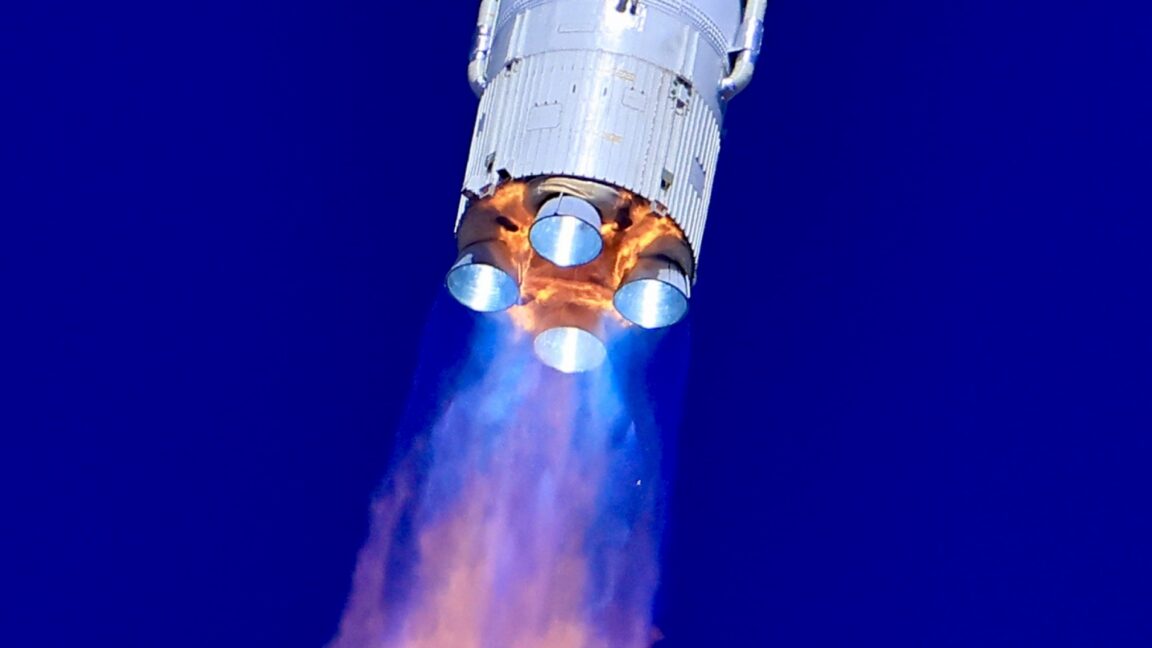
A Chinese rocket breaks apart dangerously close to the Starlink constellation
The rocket's breakup likely generated 100 to 150 new pieces of space junk.
Ars Technica — 15 June 2026
Text:
15
0
0
The rocket's breakup likely generated 100 to 150 new pieces of space junk. This report comes from Ars Technica. The story centres on A Chinese rocket
Read Full Story at Ars Technica →
⚡ Quickyla Analysis
Original editorial context — not sourced from the article above
The breakup of a Chinese rocket near SpaceX’s Starlink satellite constellation is more than just another near-miss in Earth’s increasingly crowded orbital environment—it’s a stark reminder of how rapidly space debris is accumulating and the growing risks it poses to critical satellite networks. While orbital collisions were once rare, the proliferation of thousands of satellites, along with discarded rocket stages and fragmented debris, has raised concerns about cascading collisions that could disrupt global communications, navigation, and even future missions. This incident underscores a fundamental challenge: the absence of enforceable international rules governing debris mitigation and satellite operations in low Earth orbit.
China’s rocket stage didn’t just fail—it shattered into scores of new fragments, some of which came within just a few kilometers of active Starlink satellites. That proximity isn’t just unsettling; it highlights how even small, uncontrollable debris can threaten large constellations that underpin everything from internet connectivity to emergency response systems. The incident also raises questions about China’s adherence to space debris mitigation guidelines, which recommend controlled deorbiting for rocket stages. If this breakup was due to residual fuel or structural failure, it suggests gaps in post-mission protocols that could have global consequences as more nations and companies launch satellites.
What happens next is unclear. SpaceX has maneuvered Starlink satellites in the past to avoid debris, but repeated close calls could force operators to dedicate more resources to collision avoidance, increasing operational costs. Meanwhile, the U.S. and other governments may push for stricter regulations, but enforcement remains a hurdle in a domain where national interests often outweigh collective safety. The broader trend here is the militarization of space—where satellite networks are not just commercial assets but strategic tools. As more countries develop anti-satellite capabilities, the risk of intentional or accidental debris creation grows, making incidents like this a preview of future conflicts in orbit.
The question isn’t whether a major collision will occur, but when. And when it does, the fallout could extend far beyond a single company’s lost satellites.
Sources

💻 Technology
You can now beat ChatGPT Codex rate limits, if you have friends

💻 Technology
Cash App made a magic wand for contactless payments

💻 Technology
Coders are refusing to work without AI — and that could come back to bite them

💻 Technology
Hackers hijacked Instagram accounts by tricking Meta AI support chatbot into granting access

💻 Technology
‘Backrooms’ $118M WW Bonanza; ‘Obsession’ Obsessed With $148M WW; ‘Michael’ Nearing $900M WW – Global Box Office Update

💻 Technology
Asus gives the ROX Xbox Ally the OLED screen it deserves

