🕌 Religion & Faith
Live
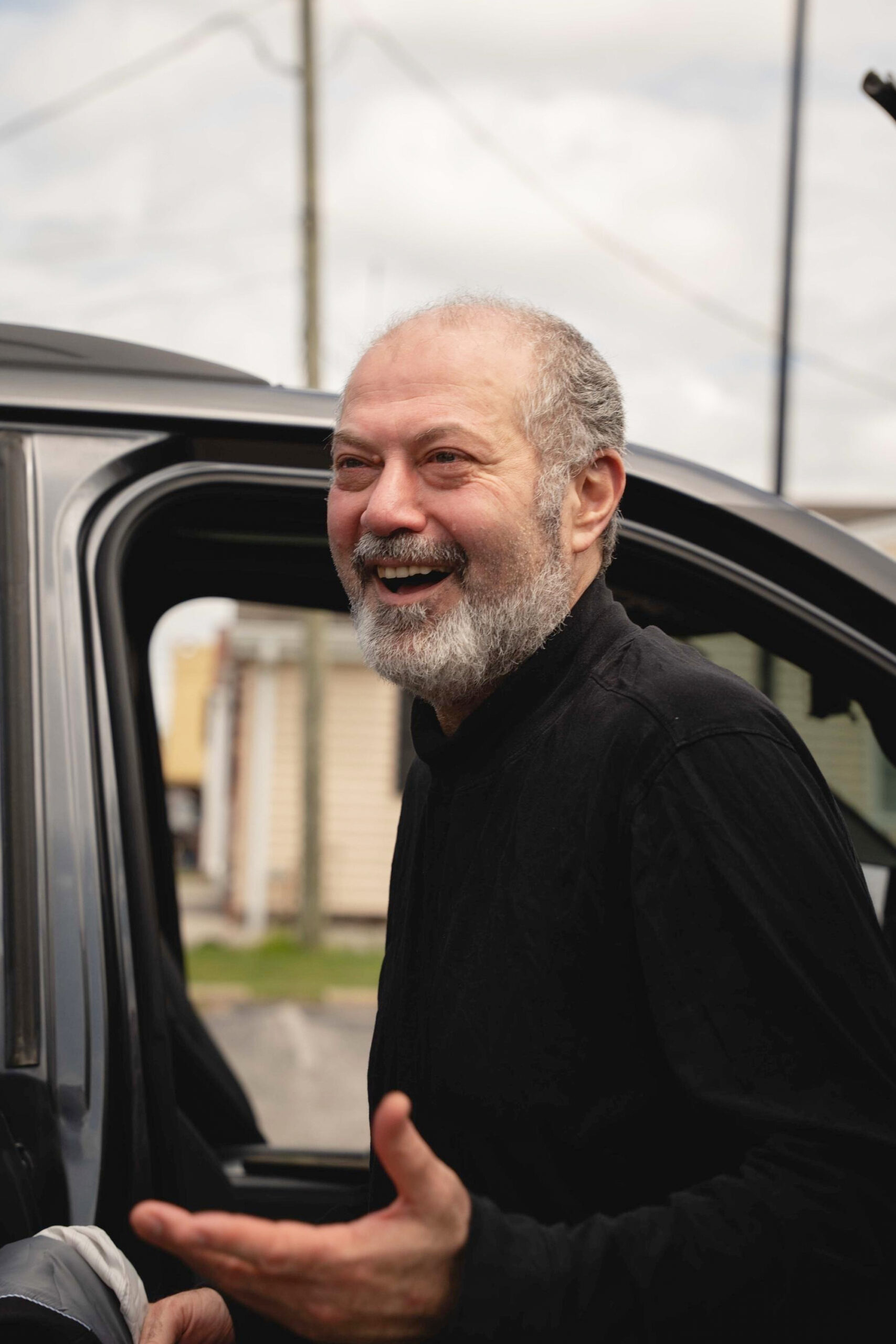
A judge orders ICE to free a Wisconsin mosque leader, citing a ‘substantial’ free speech claim
(AP) — The government has claimed he is a foreign policy threat, but Sarsour's attorneys say he was actually targeted for speaking out against Israel.
Religion News Service — 18 June 2026
Text:
28
0
0
(AP) — The government has claimed he is a foreign policy threat, but Sarsour's attorneys say he was actually targeted for speaking out against Israel.
Read Full Story at Religion News Service →
⚡ Quickyla Analysis
Original editorial context — not sourced from the article above
The ruling ordering U.S. Immigration and Customs Enforcement to release a Wisconsin mosque leader on First Amendment grounds underscores a growing tension between national security claims and free speech protections in immigration enforcement. While the government has framed the individual as a foreign policy threat, the judge’s decision suggests the case may hinge on whether his criticism of Israel—rather than any alleged ties to foreign actors—was the true motive behind his detention. This raises broader questions about how immigration authorities interpret speech, especially when it aligns with unpopular or politically charged positions.
The case fits into a pattern of immigration enforcement being used to target activists and religious figures, particularly those associated with Muslim communities. In recent years, critics have accused agencies like ICE of conflating religious practice or political dissent with national security risks, particularly when those activities involve criticism of U.S. foreign policy or allied governments. The Wisconsin mosque leader’s detention—reportedly tied to a visa violation—mirrors other cases where immigration status has been weaponized against vocal critics, raising concerns about selective enforcement and the chilling effect on free expression.
What happens next could set a significant precedent. If the government fails to justify the detention on grounds beyond speech-related activity, it may constrain ICE’s ability to detain individuals based on perceived ideological threats. Conversely, if the government successfully appeals or presents new evidence, it could embolden agencies to use immigration enforcement as a tool against dissent, particularly in cases involving foreign policy criticism. The judge’s reference to a “substantial” free speech claim suggests the court is taking the argument seriously, but the ultimate resolution may depend on whether underlying allegations of foreign influence hold weight beyond the speech in question.
For Muslim Americans and other communities targeted under national security pretexts, this case is a bellwether. It highlights how immigration law can intersect with civil liberties, turning routine legal disputes into battles over free expression. The outcome may influence future challenges to detention policies, particularly when speech—rather than concrete security threats—appears to be the driving factor.
Sources

🕌 Religion & Faith
Defense Department rejiggers list of recognized religions after backlash, narrows it to 30

🕌 Religion & Faith
Odiong guilty in Texas: Questions remain for several Church leaders
🕌 Religion & Faith
Trump’s latest attack on Leo XIV isn’t really about the pope

🕌 Religion & Faith
Pope Leo XIII updates just war theory

🕌 Religion & Faith
Photos of the Week: Ebola responses, end of Hajj

🕌 Religion & Faith
High hopes, many challenges for Bangladesh’s first Indigenous Catholic MP

