MIT engineers create puffin-inspired flying robot
MIT engineers created a wing-only robot that swims and flies, mimicking puffins. This breakthrough solves the challenge of operating efficiently in both dense water and light air using a single mechan
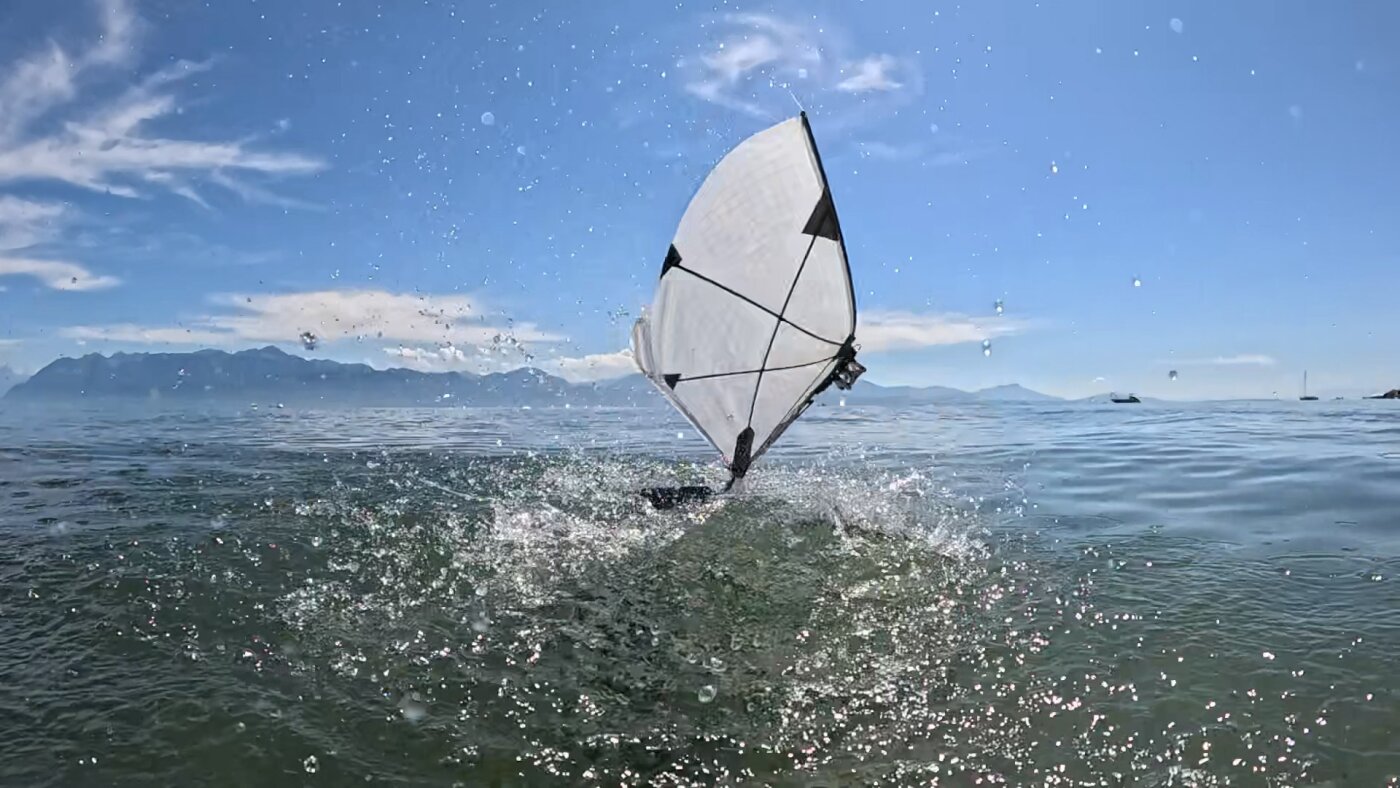
Engineers at the Massachusetts Institute of Technology have successfully demonstrated a bird-sized robot capable of swimming underwater and taking off
Read Full Story at NPR News →Why This Matters
This innovation represents a paradigm shift in autonomous systems, proving that a single design can seamlessly transition between vastly different mediums. By eliminating the need for separate aquatic and aerial vehicles, it could reduce costs, energy use, and deployment complexity for surveillance, environmental monitoring, and search-and-rescue missions. The breakthrough also challenges long-held assumptions about the trade-offs between efficiency and versatility in robotics.
Background Context
Roboticists have historically treated water and air as incompatible environments due to the dramatic differences in density and resistance. While underwater drones and drones are well-established, combining their functions has required bulky, energy-intensive solutions. Early attempts at hybrid designs often sacrificed performance in one medium to function in the other, leaving a gap in truly versatile robotic platforms.
What Happens Next
Expect rapid iterations in control algorithms and materials science to refine the robot’s agility and endurance. Regulatory hurdles around airspace and marine navigation will likely shape how these systems are deployed, particularly in commercial or military applications. The next milestone will be scaling the technology for real-world missions, where durability and adaptability under unpredictable conditions become critical.
Bigger Picture
This development aligns with a broader movement in robotics toward multifunctional systems that mimic biological adaptability. As climate monitoring and disaster response demand more flexible tools, hybrids that blur the lines between traditional categories could become the new standard. It also underscores how biomimicry—once seen as a niche approach—is now driving some of the most transformative engineering breakthroughs.