🌱 Environment
Live
A Sloth Exhibitor Shut Down by New York Wants a Florida Comeback—and Florida Licensed Him
An exotic animal exhibitor whose sloth-encounters business was shuttered by New York courts is attempting to relaunch his operations in Florida, right as the state grapples with the fallout from slot…
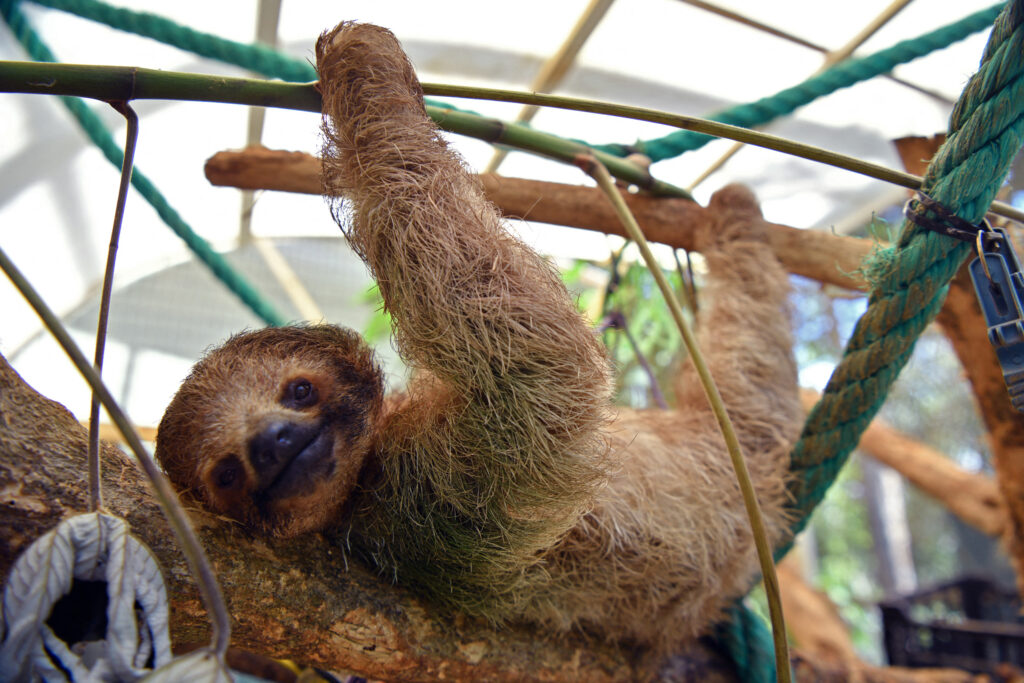
Inside Climate News — 17 June 2026
Text:
27
0
0
An exotic animal exhibitor whose sloth-encounters business was shuttered by New York courts is attempting to relaunch his operations in Florida, right
Read Full Story at Inside Climate News →
⚡ Quickyla Analysis
Original editorial context — not sourced from the article above
The saga of an exotic animal exhibitor’s regulatory whiplash between New York and Florida reflects deeper tensions in how states balance animal welfare, business interests, and public safety—especially in an era where viral social media content has commercialized wildlife in ways regulators struggle to keep pace with. New York’s shutdown of the sloth exhibitor’s operation wasn’t merely a local enforcement issue; it underscored growing skepticism toward hands-on exotic animal encounters, which critics argue exploit creatures unsuited for human interaction. The state’s courts sided with animal welfare advocates, signaling a shift toward stricter oversight of businesses that prioritize profit over the well-being of species like sloths, which are highly sensitive to stress and require specialized care. Florida’s decision to grant the exhibitor a license, meanwhile, suggests a contrasting philosophy—one that often prioritizes economic opportunity and industry flexibility, even in areas where other states have drawn lines.
This clash is part of a broader national debate. Florida, a hub for wildlife tourism and private animal collections, has long been a magnet for exhibitors facing restrictions elsewhere. Its regulatory environment, shaped by powerful lobbying groups and a cultural emphasis on personal freedom, frequently allows practices that other states prohibit. Yet this permissiveness comes amid rising scrutiny: viral videos of sloths in human settings have fueled perceptions of exploitation, while incidents of animal mistreatment or zoonotic disease risks—however isolated—prompt calls for reform. The exhibitor’s move to Florida isn’t just a personal second act; it’s a test case for whether states will converge on stricter standards or maintain divergent paths.
What happens next could hinge on whether Florida’s approach attracts backlash or sets a precedent. If incidents emerge in his operations, it may galvanize animal rights groups to push for uniform federal guidelines or stricter state laws. Conversely, if his business thrives, other exhibitors could follow, forcing New York and similar states to either double down on enforcement or reconsider their own policies. Either way, this cross-state drama exposes the fault lines in a fragmented regulatory landscape—where the treatment of even charismatic species like sloths becomes a proxy for broader debates about commerce, ethics, and governance.
Sources

🌱 Environment
Erin Brockovich criticizes Microsoft data center secrecy in Utah

🌱 Environment
Rescues in eastern Syria after the Euphrates River bursts its banks
🌱 Environment
Trump’s EPA Unlawfully Cancelled Environmental Justice Grants, Judge Rules

🌱 Environment
Indonesians mark 20 years since mud volcano eruption swallowed up entire communities in East Java

🌱 Environment
Biden’s Clean Drinking Water Plan Is Being Rebranded as MAHA
🌱 Environment
Heat is Killing Wildlife Across the Animal Kingdom. A New Forecasting Tool May Help

