A strange LIGO signal could reveal the missing link behind dark matter
An unusual gravitational wave signal has renewed hopes that primordial black holes, long considered purely theoretical, may finally be within reach of discovery. If confirmed, they could solve one of
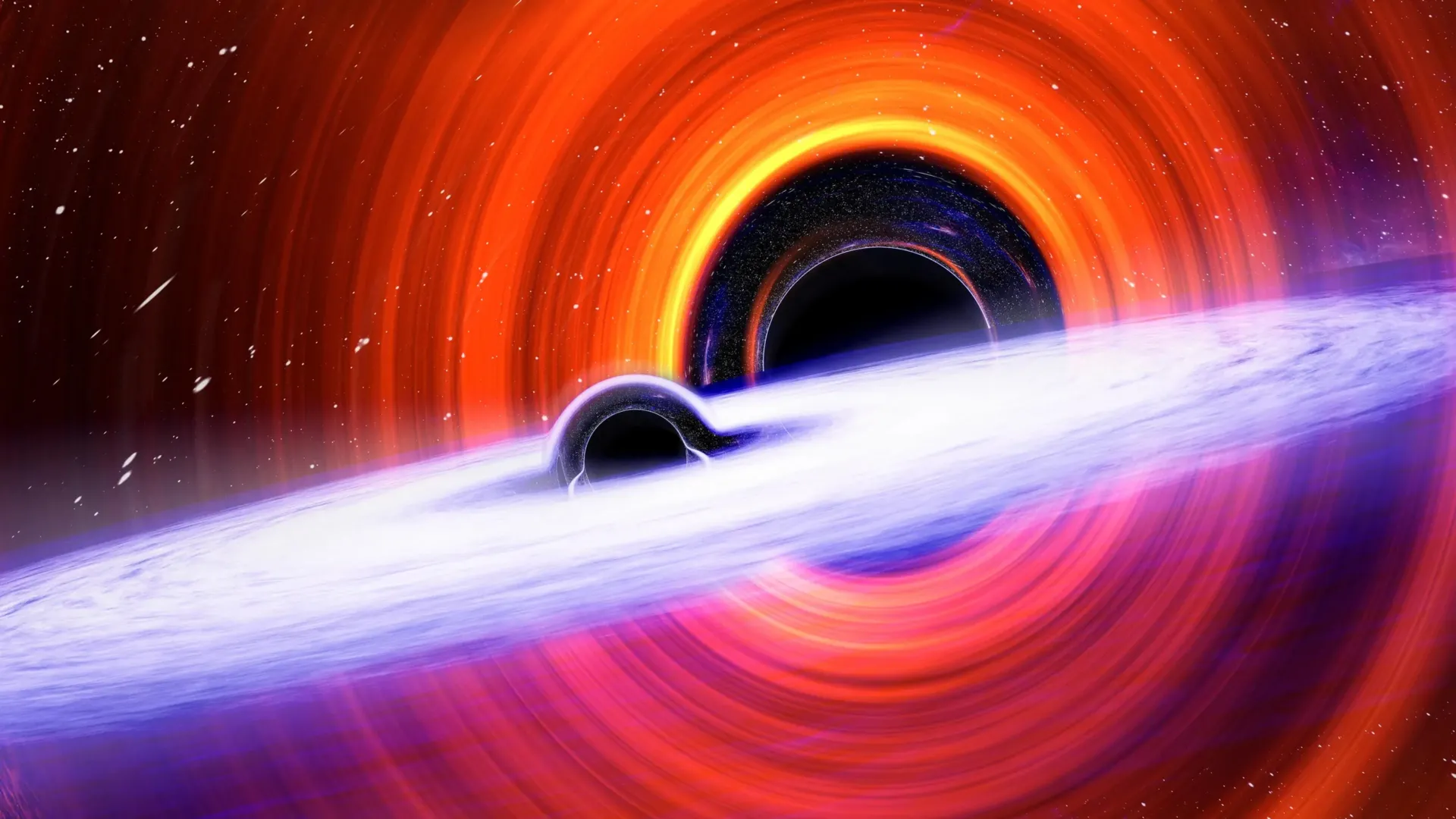
An unusual gravitational wave signal has renewed hopes that primordial black holes, long considered purely theoretical, may finally be within reach of
Read Full Story at ScienceDaily →Why This Matters
The detection of an anomalous gravitational wave signal by LIGO could upend our understanding of the universe’s darkest components. If primordial black holes—once dismissed as speculative—are confirmed, they may finally provide the missing evidence for a significant fraction of dark matter, bridging the gap between theory and observable reality in cosmology.
Background Context
Primordial black holes were first theorized in the 1960s, but their existence has remained unproven despite decades of searches. Early gravitational wave detectors lacked the sensitivity to distinguish their signals from other cosmic events, leaving their potential role in dark matter unresolved. Meanwhile, alternative dark matter candidates like WIMPs have faced mounting experimental setbacks, leaving a void that primordial black holes might fill.
What Happens Next
Confirmation of this signal would trigger a global race to replicate and refine observations, with next-generation detectors like LISA poised to play a central role. Researchers will scrutinize the black hole masses and distribution patterns to determine whether they align with dark matter predictions, while theoretical models may need rapid adjustments to accommodate new data.
Bigger Picture
This development reflects a broader shift toward multi-messenger astronomy, where gravitational waves, electromagnetic observations, and particle physics converge to solve cosmic mysteries. As dark matter remains one of the most vexing puzzles in modern science, any plausible candidate gaining traction could redefine priorities in both theoretical and experimental physics for years to come.