🔬 Science
Live
A Texas-size chunk of winter sea ice is missing from Antarctica — and it's probably not coming back
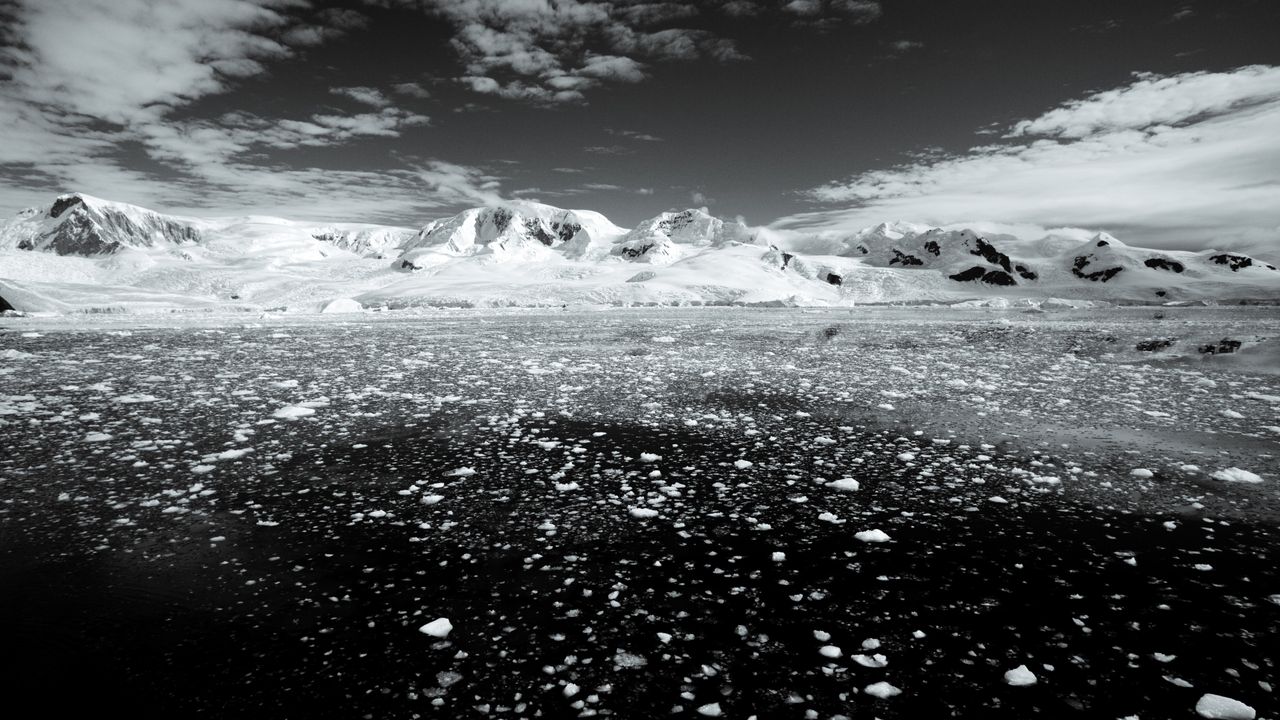
An area of ice nearly the size of Texas has failed to form over the Bellingshausen Sea, off western Antarctica, as researchers investigate the links between sea ice loss and global warming.
Live Science — 16 June 2026
Text:
19
0
0
An area of ice nearly the size of Texas has failed to form over the Bellingshausen Sea, off western Antarctica, as researchers investigate the links b
Read Full Story at Live Science →
⚡ Quickyla Analysis
Original editorial context — not sourced from the article above
The disappearance of a Texas-sized expanse of winter sea ice in the Bellingshausen Sea is more than an alarming data point—it signals a critical inflection in Antarctica’s relationship with global climate systems. Sea ice acts as Earth’s thermostat, reflecting sunlight and insulating ocean waters. When it fails to form at expected scales, the consequences ripple through marine ecosystems, weather patterns, and even global sea levels. This isn’t just a regional anomaly; it’s a symptom of a continent that, for decades, appeared resistant to the rapid warming seen elsewhere, now showing cracks in its icy armor.
Antarctica’s sea ice has historically fluctuated within wide but predictable bounds, confounding climate models that anticipated earlier declines. Yet the past few years have shattered this trend. In 2023, Antarctic sea ice hit a record low, shattering the previous minimum by over a million square kilometers. The Bellingshausen Sea’s missing ice—where formation should peak in September—suggests the system may be flipping from variability to permanent change. Scientists suspect a mix of factors: warming oceans absorbing more heat, shifting wind patterns pushing ice farther north, and long-term feedback loops where dark, open water absorbs sunlight that would otherwise be reflected, accelerating further melt.
What happens next is uncertain, but the stakes are clear. If this winter’s failure to regenerate becomes a recurring pattern, it could destabilize the West Antarctic Ice Sheet, whose grounded glaciers hold enough water to raise global sea levels by meters over centuries. Meanwhile, the loss disrupts krill populations that underpin Antarctic food webs, threatens penguin colonies, and alters ocean currents that distribute heat worldwide. The open question isn’t just whether the ice will return, but how quickly the continent’s ice sheets will respond to the new normal of a warmer Southern Ocean.
This isn’t an isolated crisis but part of a broader unraveling. From accelerating Greenland melt to collapsing Arctic sea ice, Earth’s frozen frontiers are retreating faster than predicted. The Bellingshausen Sea’s missing ice is a warning: Antarctica, long seen as a slow-moving giant in climate science, may now be entering a phase of rapid, irreversible change.
Sources

🔬 Science
'Astonishing': James Webb telescope spots the most chemically primitive galaxy in the ancient universe

🔬 Science
El Niño Is Underway

🔬 Science
Astronomers gaze into the 'Crystal Ball Nebula' and see a vision of our dying sun — Space photo of the week

🔬 Science
Bacteria uncover distinct strategy to import rare sugar polymers, crystal structures show

🔬 Science
NASA Awards Contract for Johnson Space Center Infrastructure

🔬 Science
Repairing DNA damage: Scientists discover a surprising new benefit of melatonin

