💻 Technology
Live
Adobe survey: AI is helping creators grow, but not without tradeoffs
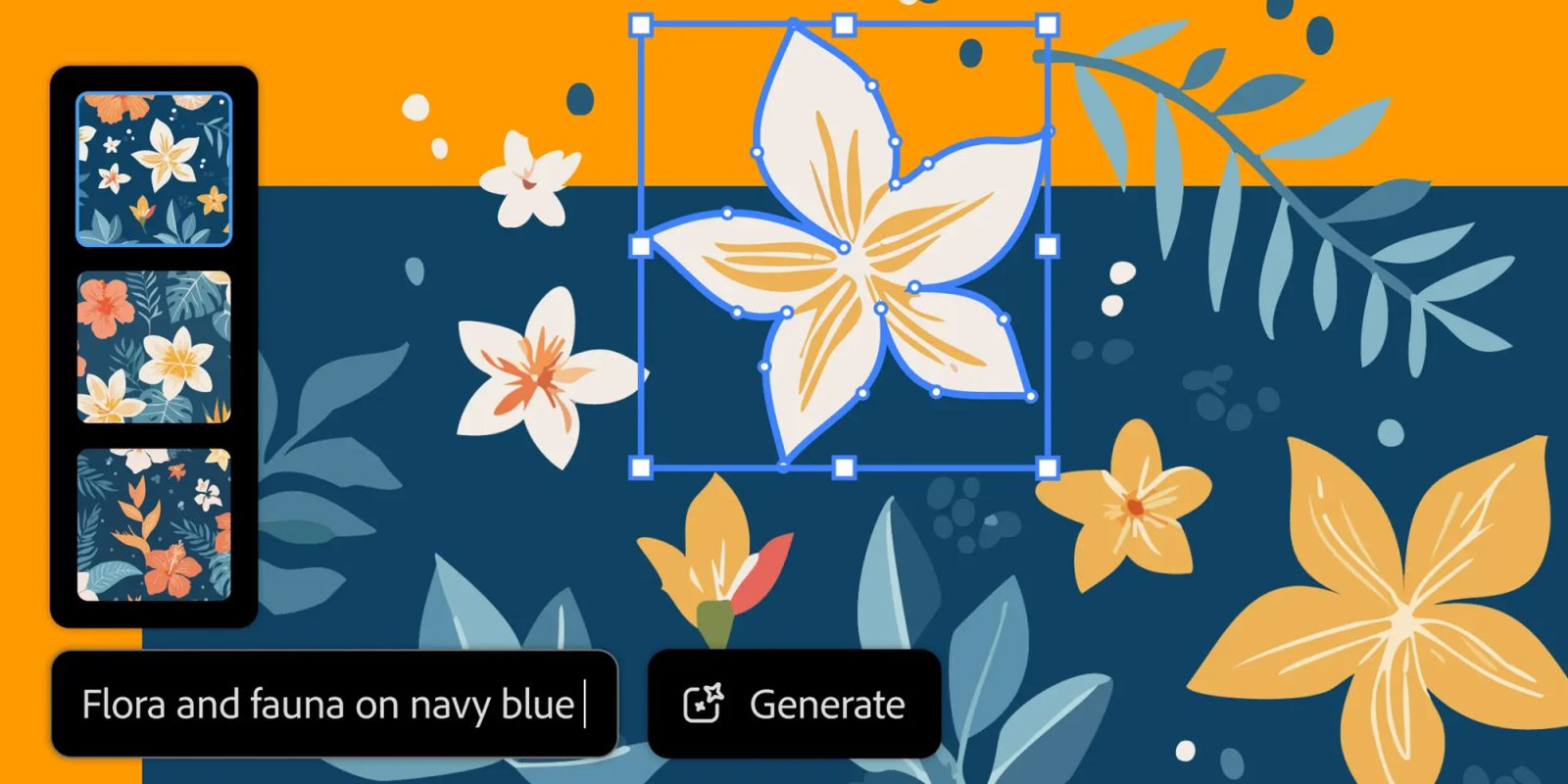
Adobe published a report today showing that creators are increasingly embracing creative AI, with 75% of respondents now describing it as integrated or essential to how they work. Here are the detail…
9to5Mac — 16 June 2026
Text:
20
0
0
Adobe published a report today showing that creators are increasingly embracing creative AI, with 75% of respondents now describing it as integrated o
Read Full Story at 9to5Mac →
⚡ Quickyla Analysis
Original editorial context — not sourced from the article above
The rapid adoption of AI in creative fields marks a pivotal shift in how artists, designers, and content producers operate, but Adobe’s latest survey reveals that this transformation is not without friction. While 75% of creators now see AI as either an integrated tool or an essential part of their workflow, the tradeoffs—ethical, economic, and creative—are becoming impossible to ignore. This trend matters because it signals a fundamental reevaluation of human labor in industries where originality and craftsmanship have long been prized. For years, AI was dismissed as a novelty or a threat to authenticity, but its mainstream integration suggests a tipping point where resistance may no longer be sustainable. The broader significance lies in how this reshapes not just individual careers but entire creative ecosystems, from freelance markets to large agencies.
What many readers may not realize is how uneven this adoption has been. While seasoned professionals with established audiences are cautiously experimenting with AI, younger creators and those in commercial fields—like marketing and social media—are embracing it more aggressively, often out of necessity. The survey hints at a growing divide: those who can afford to resist AI may do so to preserve their brand, while those under pressure to deliver high volumes of content are left with little choice but to automate. This raises questions about long-term sustainability. Will AI democratize creativity by lowering barriers to entry, or will it exacerbate inequality by sidelining those who can’t afford to keep up with the tools?
Looking ahead, the most pressing open questions revolve around regulation and compensation. As AI-generated content floods platforms, who bears responsibility for misinformation or derivative works? And if AI tools are streamlining workflows, why aren’t earnings keeping pace for creators? The answers will shape whether AI becomes a net positive or a destabilizing force in creative industries. Already, we’re seeing early signs of pushback, from lawsuits over training data to calls for new compensation models. How these conflicts resolve could redefine the value of human creativity in an age of machines. One thing is certain: the genie is out of the bottle, and the conversation is only just beginning.
Sources

💻 Technology
You can now beat ChatGPT Codex rate limits, if you have friends

💻 Technology
Meta is reportedly developing an AI pendant

💻 Technology
Coders are refusing to work without AI — and that could come back to bite them

💻 Technology
Cash App made a magic wand for contactless payments

💻 Technology
Hackers hijacked Instagram accounts by tricking Meta AI support chatbot into granting access

💻 Technology
Asus gives the ROX Xbox Ally the OLED screen it deserves

