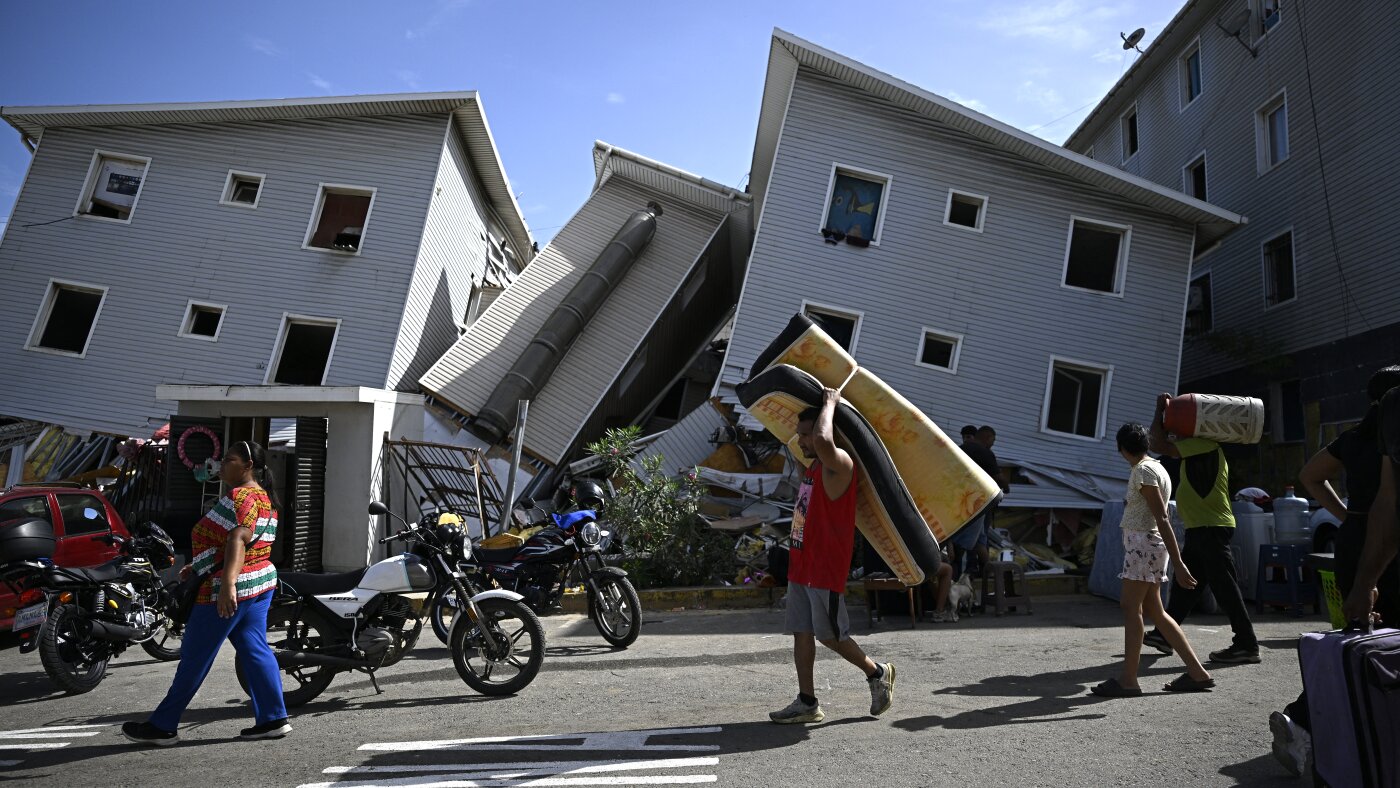
Afghanistan: at least 36 killed in deadly Pakistani strikes
At least 36 people were killed across three provinces of eastern #Afghanistan in Pakistani strikes. #Islamabad says it was targeting a group responsible for an attack the day before.

At least 36 people were killed across three provinces of eastern #Afghanistan in Pakistani strikes. #Islamabad says it was targeting a group responsib
Read Full Story at France 24 →Why This Matters
The cross-border strikes highlight the escalating tensions between Afghanistan and Pakistan, underscoring how regional militant groups continue to exploit porous borders. This incident risks destabilizing fragile diplomatic ties, particularly as both nations grapple with internal security challenges and shifting geopolitical alliances.
Background Context
The Afghan-Pakistan border has long been a flashpoint for militant activity, with groups like the Tehreek-e-Taliban Pakistan (TTP) frequently launching attacks into Pakistan from Afghan soil. Islamabad’s claim of targeting a specific group in response to a prior attack reflects a pattern of retaliatory strikes that often overshadow broader efforts to address the root causes of cross-border violence.
What Happens Next
If tensions persist, retaliatory strikes or diplomatic expulsions could further strain relations, potentially disrupting trade and humanitarian aid flows. The Afghan government’s response—whether it condemns the strikes or seeks to mediate—will be critical in determining whether this escalation spirals into a larger confrontation.
Bigger Picture
This incident fits into a broader trend of regional instability, where militant groups exploit weak governance and unsecured borders to launch attacks with impunity. As neighboring countries grapple with their own security threats, the risk of miscalculation or escalation remains high, particularly in the absence of coordinated counterterrorism efforts.