After new drug’s ‘unprecedented’ results for pancreatic cancer, doctors look at other uses
The experimental drug daraxonrasib, which doubled survival time in patients with advanced pancreatic cancer, may also prove effective for lung, colon and ovarian cancers.
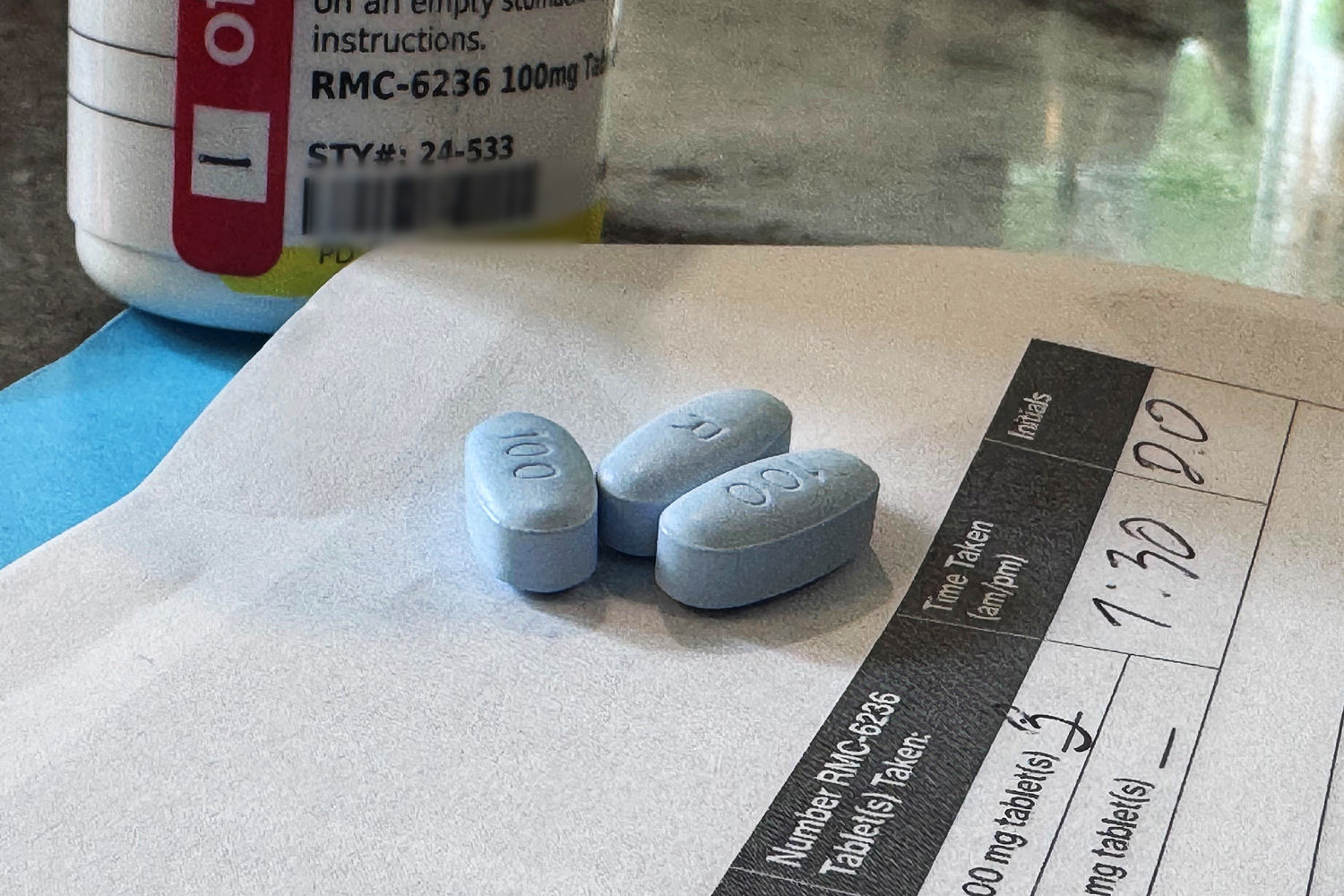
The experimental drug daraxonrasib, which doubled survival time in patients with advanced pancreatic cancer, may also prove effective for lung, colon
Read Full Story at NBC News →Why This Matters
The breakthrough with daraxonrasib isn’t just another incremental advance—it represents a potential paradigm shift in oncology, where pancreatic cancer, long considered a death sentence after diagnosis, may now have a viable therapeutic pathway. If these results hold across larger trials, the drug could redefine survival expectations for one of the deadliest cancers, offering a blueprint for attacking other KRAS-driven malignancies that have long evaded targeted treatments.
Background Context
Pancreatic ductal adenocarcinoma has seen stagnant survival rates for decades, with less than 10% of patients surviving five years, in part due to its dense stromal barrier and the genetic complexity of KRAS mutations—present in nearly every case. While immunotherapy and targeted therapies have transformed other cancers, pancreatic tumors have remained resistant, leaving chemotherapy as the only standard option until now. The FDA’s recent expedited approval pathway for drugs addressing unmet needs could accelerate daraxonrasib’s path to market if confirmatory data aligns.
What Happens Next
Clinical trials for daraxonrasib in lung, colon, and ovarian cancers will likely prioritize patients with specific KRAS G12D mutations, where early preclinical data suggests the strongest response. Regulators may fast-track approval if interim results mirror the pancreatic data, while insurers could face pressure to cover the drug given its potential to reduce long-term palliative care costs. Watch for competing KRAS inhibitors entering late-stage trials, which could either validate this class or fragment the market before definitive survival benefits are established.
Bigger Picture
This development underscores a broader renaissance in precision oncology, where the once-elusive dream of targeting KRAS mutations is becoming reality—following Amgen’s sotorasib and Mirati’s adagrasib. It also highlights how academic-industry collaborations are accelerating drug discovery, with academic centers like MD Anderson driving translational research that bridges the gap between lab insights and clinical trials. The success of daraxonrasib could further embolden investment in rare cancer therapies, where patient populations are small but the unmet need is dire.







