🕌 Religion & Faith
Live
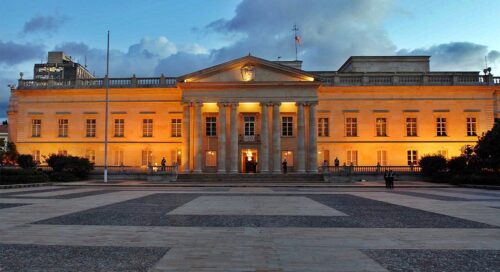
Ahead of runoff, Church concerned about political violence in Colombia
The intensity of the attacks exchanged by both sides has been increasing in the weeks leading up to the June 21 presidential runoff.
Crux Now — 15 June 2026
Text:
40
0
0
The intensity of the attacks exchanged by both sides has been increasing in the weeks leading up to the June 21 presidential runoff. This report come
Read Full Story at Crux Now →
⚡ Quickyla Analysis
Original editorial context — not sourced from the article above
The escalation of political rhetoric and sporadic violence ahead of Colombia’s June 21 presidential runoff reflects deeper anxieties about the country’s democratic resilience. While Colombian elections have historically been tense, the current polarization risks normalizing confrontation in ways that could erode public trust in institutions. The Church’s warning—rooted in its long-standing role as a mediator in social conflicts—signals broader unease about whether this year’s vote could trigger unrest similar to 2019’s protests or the violent backlash seen during the 2021 national strike. Beyond immediate concerns, the episode underscores how Colombia’s fragile peace process remains hostage to political brinkmanship, particularly when campaigns stoke grievances over inequality, land reform, and security sector failures that have persisted despite the 2016 peace accord.
Historically, Colombia’s electoral violence has targeted left-wing candidates and activists, with figures like Gustavo Petro facing threats for their ties to former guerrilla movements. Yet this year’s dynamic is distinct: the runoff pits a progressive former mayor against a hardline conservative, framing the contest as a referendum on the future of the peace deal and economic policy. The Church’s intervention also highlights its declining but still influential role in mediating disputes, a function it has performed since the 1990s when armed groups and paramilitaries sought its blessing for ceasefires. Today, however, its calls for restraint carry less weight amid a fractured political landscape where social media amplifies divisions faster than traditional institutions can reconcile them.
What happens next hinges partly on whether either campaign stokes further division or prioritizes stability. The runoff’s outcome could accelerate legislative changes—whether scaling back the peace accord’s rural reforms or expanding security crackdowns—with lasting consequences for Colombia’s social fabric. Equally uncertain is whether international observers or domestic watchdogs can deter localized violence, given the decentralized nature of armed groups and criminal gangs that often exploit election periods. The broader trend here is the weaponization of democratic processes: as polarization deepens, Colombia risks normalizing violence as a legitimate tool for political leverage, a pattern seen across Latin America where elections increasingly resemble zero-sum battles rather than contests of ideas.
Sources
🕌 Religion & Faith
Defense Department rejiggers list of recognized religions after backlash, narrows it to 30
🕌 Religion & Faith
Odiong guilty in Texas: Questions remain for several Church leaders
🕌 Religion & Faith
Trump’s latest attack on Leo XIV isn’t really about the pope

🕌 Religion & Faith
Pope Leo XIII updates just war theory
🕌 Religion & Faith
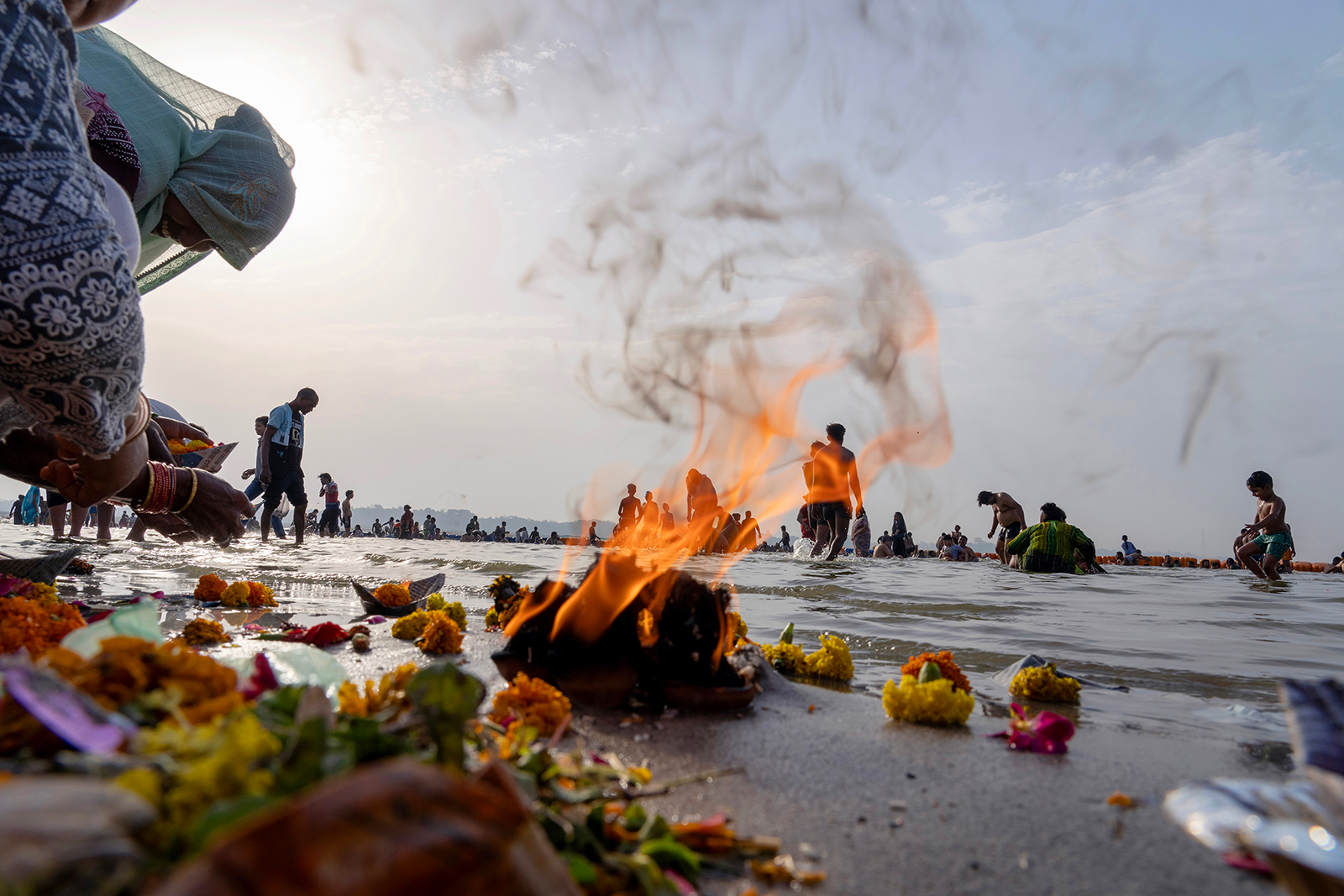
Photos of the Week: Ebola responses, end of Hajj
🕌 Religion & Faith
High hopes, many challenges for Bangladesh’s first Indigenous Catholic MP

