💻 Technology
Live
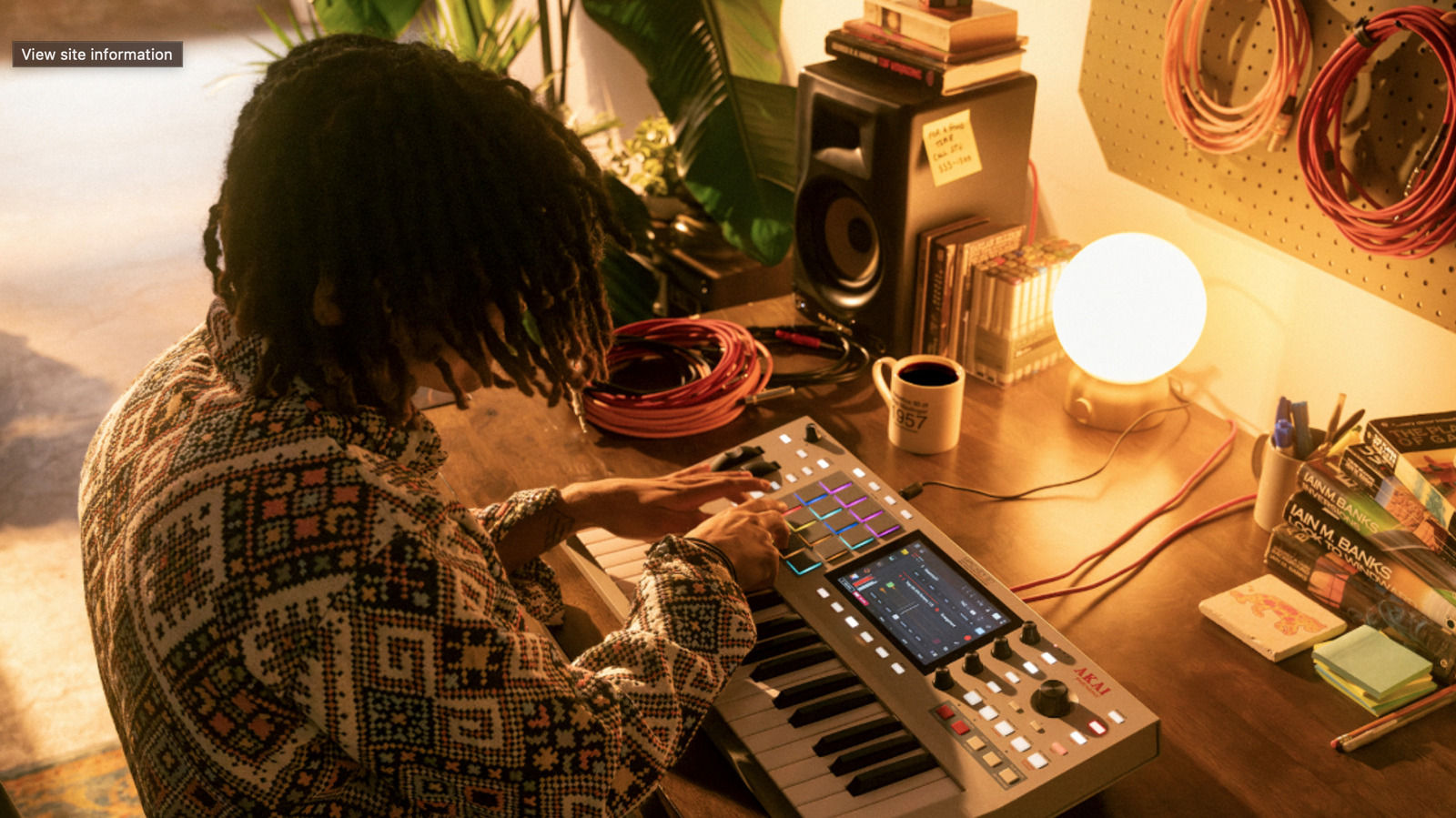
Akai refreshes the MPC One and Key 37 workstations
They feature better processors, additional RAM and more storage. Akai just released new versions of its MPC One sampler and MPC Key 37 workstation. Both of these gadgets were already extremely usefu…
Engadget — 18 June 2026
Text:
14
0
0
They feature better processors, additional RAM and more storage. Akai just released new versions of its MPC One sampler and MPC Key 37 workstation. B
Read Full Story at Engadget →
⚡ Quickyla Analysis
Original editorial context — not sourced from the article above
The latest refreshes to Akai’s MPC One sampler and MPC Key 37 workstation arrive at a pivotal moment for music production hardware. In an era where software-based DAWs dominate, these devices remain benchmarks for tactile, hands-on control in beat-making and sampling workflows. The upgrades—faster processors, increased RAM, and expanded storage—may seem incremental on paper, but they signal a deeper trend: the enduring value of dedicated hardware in an increasingly hybrid digital landscape. For producers who value the immediacy of knobs, pads, and physical workflows, these refinements could reinforce MPC’s role as a bridge between analog tradition and digital flexibility.
Akai’s MPC platform has long been a staple in hip-hop, electronic, and experimental music, with its lineage tracing back to the iconic MPC60 of the late 1980s. The original MPC One, released in 2020, democratized high-end sampling and sequencing by offering a standalone unit at a fraction of the cost of earlier models. The Key 37, meanwhile, caters to those who need a keyboard-centric approach without abandoning MPC’s signature workflow. These updates suggest Akai is responding not just to user demands for more power but to the broader resurgence of hardware in music production. In an age where plugins and AI tools are proliferating, the appeal of a dedicated device that doesn’t rely on a computer—or a subscription—remains a compelling selling point.
What remains to be seen is whether these improvements will attract new users or primarily serve existing enthusiasts. The MPC ecosystem’s strength has always been its community, but with competition from companies like Teenage Engineering and Elektron, Akai must also consider how these updates position it against newer, more modular approaches to hardware. Additionally, the shift toward AI-assisted music creation raises questions: could future MPC models integrate generative tools, or will they double down on the tactile, hands-on ethos that has defined them?
For now, the refreshes underscore a quiet but significant truth: in music production, hardware still matters. The question is whether Akai can keep pace with the evolving demands of producers who want both the warmth of analog-style workflows and the power of modern computing.
Verified Source
Sources

💻 Technology
You can now beat ChatGPT Codex rate limits, if you have friends

💻 Technology
Cash App made a magic wand for contactless payments

💻 Technology
Coders are refusing to work without AI — and that could come back to bite them

💻 Technology
Hackers hijacked Instagram accounts by tricking Meta AI support chatbot into granting access

💻 Technology
Asus gives the ROX Xbox Ally the OLED screen it deserves

💻 Technology
‘Backrooms’ $118M WW Bonanza; ‘Obsession’ Obsessed With $148M WW; ‘Michael’ Nearing $900M WW – Global Box Office Update

