🌱 Environment
Live
Alabama Limestone Quarry Settles Lawsuit Over Dust, Noise
Residents of the small north Alabama community of Belle Mina are breathing easier after reaching a settlement with a limestone quarry they say was disrupting their homes and places of worship. Three B
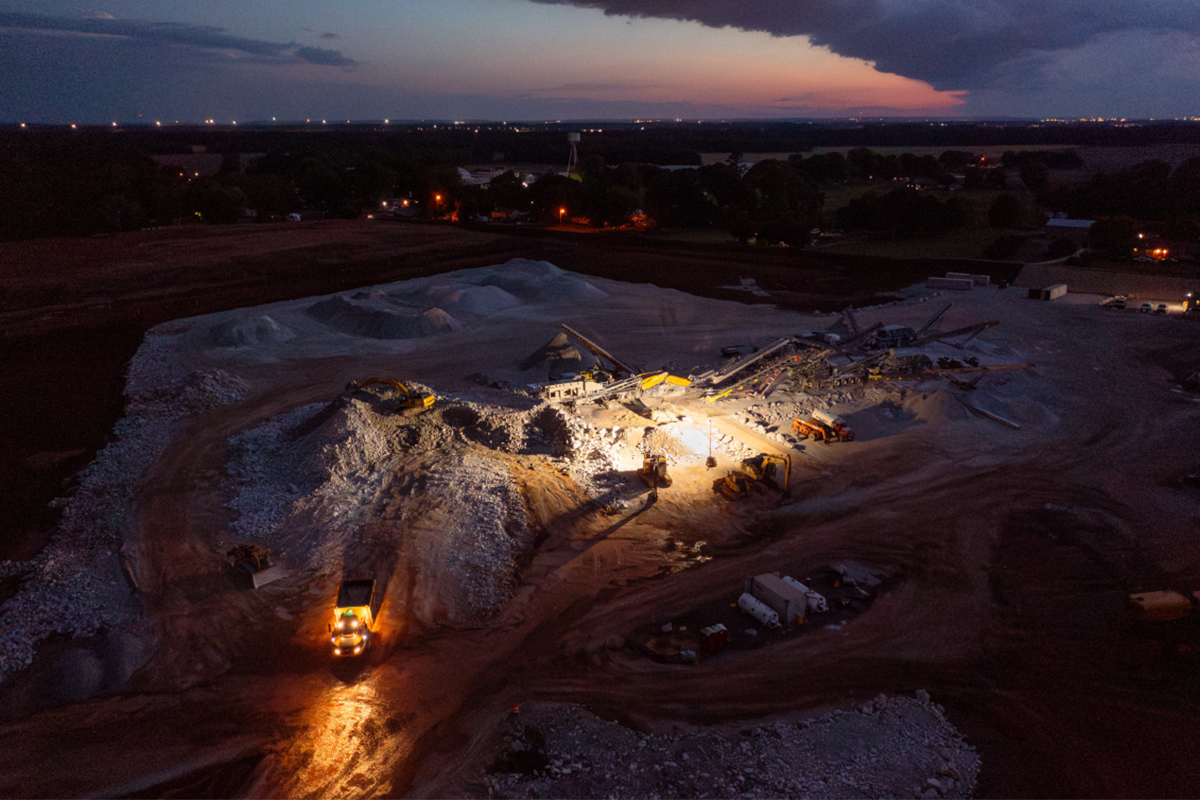
Inside Climate News — 18 June 2026
Text:
17
0
0
Residents of the small north Alabama community of Belle Mina are breathing easier after reaching a settlement with a limestone quarry they say was dis
Read Full Story at Inside Climate News →
⚡ Quickyla Analysis
Original editorial context — not sourced from the article above
The settlement between Belle Mina residents and a local limestone quarry underscores a growing tension between industrial expansion and quality of life in rural America, where small communities often bear the brunt of environmental trade-offs. While quarries provide essential materials for construction and infrastructure, their operations—blasting, heavy machinery, and dust—can erode the sense of tranquility that residents value, particularly in areas already grappling with economic shifts. This case highlights how even modestly sized industrial sites can reshape the lived environment, forcing communities to confront whether progress should come at the cost of peace, health, and cultural continuity.
Belle Mina’s struggle is not isolated. Across the South and Midwest, similar disputes have flared as quarries and other industrial facilities expand into residential areas, testing the limits of zoning laws and corporate accountability. Alabama’s regulatory framework, like many states’, has historically prioritized economic development over environmental nuisances, leaving residents with limited recourse until legal pressure mounts. The fact that this lawsuit reached a settlement rather than dragging on for years suggests a shift in leverage—perhaps a recognition by the quarry that long-term goodwill and legal risk outweigh the benefits of unchecked operations. It also reflects a broader trend of grassroots activism in rural areas, where once-silent communities are increasingly organized around environmental and public health concerns.
What remains unclear is whether this settlement will set a precedent for other quarries in the region or remain a one-off resolution. Will regulators tighten oversight of dust and noise permits in Alabama, or will the status quo persist with minor adjustments? For Belle Mina’s residents, the immediate relief is welcome, but the underlying question lingers: How much disruption is acceptable in the name of industry, and who gets to decide? The answer may depend on whether this case emboldens similar communities to demand stricter protections—or if the quarry’s concessions are seen as a rare exception rather than a new standard.
Sources

🌱 Environment
Erin Brockovich criticizes Microsoft data center secrecy in Utah

🌱 Environment
Rescues in eastern Syria after the Euphrates River bursts its banks

🌱 Environment
Indonesians mark 20 years since mud volcano eruption swallowed up entire communities in East Java

🌱 Environment
Biden’s Clean Drinking Water Plan Is Being Rebranded as MAHA

🌱 Environment
Heat is Killing Wildlife Across the Animal Kingdom. A New Forecasting Tool May Help
🌱 Environment
A New N.C. Ratepayer Bill Puts the Brakes on Data Centers, but Incentivizes Fossil Fuels

