🌱 Environment
Live
Alabama’s Self-Proclaimed ‘AI Watchman’ Unseats Incumbent Public Service Commissioner
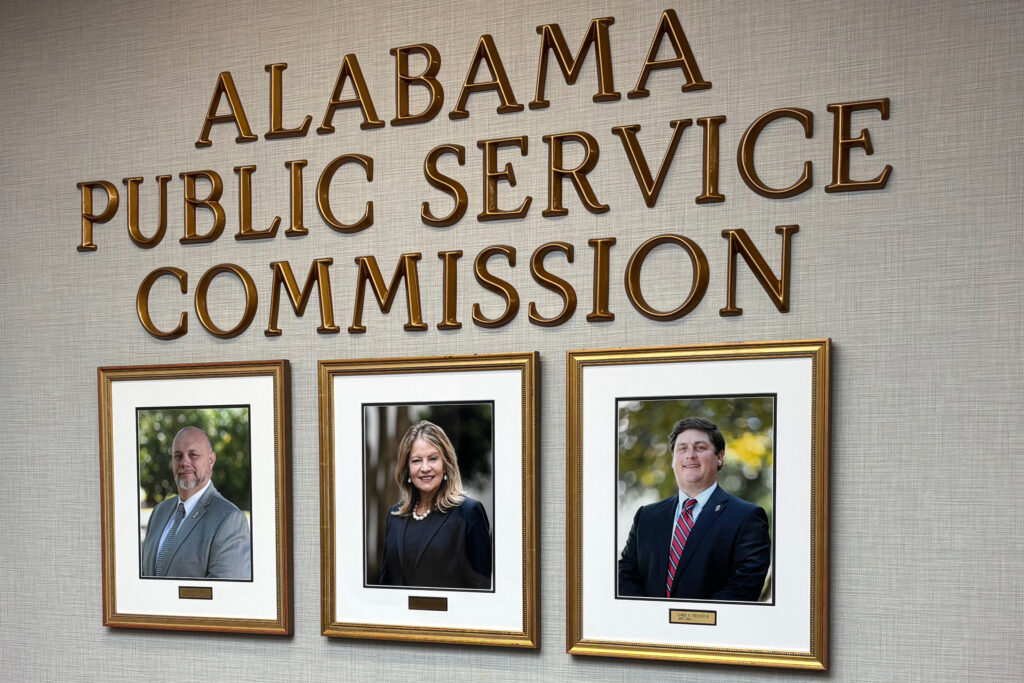
MOBILE, Ala.—Jim Zeigler didn’t have much time to celebrate. The morning after his Republican primary victory on Tuesday and a gathering of supporters at Wintzell’s Oyster House, the 78-year-old hit …
Inside Climate News — 17 June 2026
Text:
29
0
0
MOBILE, Ala.—Jim Zeigler didn’t have much time to celebrate. The morning after his Republican primary victory on Tuesday and a gathering of supporters
Read Full Story at Inside Climate News →
⚡ Quickyla Analysis
Original editorial context — not sourced from the article above
Alabama’s primary results this week underscore a quiet but potent shift in statewide energy policy, where a self-styled “AI watchman” has upended a long-serving utility regulator. Beyond the surface narrative of an underdog victory lies a deeper story about the intersection of technology, political messaging, and the future of energy governance in the Deep South. Jim Zeigler’s triumph over a 24-year incumbent in Alabama’s Public Service Commission race signals more than a personnel change—it reflects a growing skepticism toward traditional regulatory bodies, particularly in states where utility monopolies wield immense influence. Alabama’s PSC has long operated with limited scrutiny, often deferring to Alabama Power and other utilities on rate hikes and infrastructure decisions. Zeigler’s campaign, framed around reining in “AI-driven overreach” and protecting consumers from automated rate increases, taps into broader anxieties about unchecked corporate power and the erosion of democratic accountability in utility oversight.
What makes this race notable is not just Zeigler’s age or brash persona, but the timing. Alabama is in the midst of a contentious debate over energy transition, with utilities pushing for costly long-term investments in gas and nuclear infrastructure while critics demand a faster pivot to renewables. The PSC’s role in approving these projects puts it at the center of that fight. Zeigler’s victory suggests that anti-establishment rhetoric—even in a state dominated by one-party rule—can resonate when tied to tangible consumer frustrations, such as rising power bills or perceived regulatory capture.
Yet the path forward remains murky. Will Zeigler’s crusade against AI in utility regulation translate into concrete policy changes, or is it more symbol than substance? Alabama’s PSC has historically rubber-stamped utility requests, and without institutional allies or legal expertise, a lone commissioner may struggle to reshape decades of precedent. Meanwhile, the state’s energy future hangs in the balance, with federal climate incentives and corporate sustainability pledges creating new pressures on Southern utilities. If Zeigler’s win emboldens other populist challengers in similar races nationwide, it could foreshadow a wave of reform—or at least a demand for greater transparency—in utility regulation. For now, Alabama’s voters have spoken, but whether their message changes anything remains to be seen.
Sources

🌱 Environment
Rescues in eastern Syria after the Euphrates River bursts its banks

🌱 Environment
Erin Brockovich criticizes Microsoft data center secrecy in Utah

🌱 Environment
Indonesians mark 20 years since mud volcano eruption swallowed up entire communities in East Java

🌱 Environment
Biden’s Clean Drinking Water Plan Is Being Rebranded as MAHA

🌱 Environment
Heat is Killing Wildlife Across the Animal Kingdom. A New Forecasting Tool May Help

🌱 Environment
A New N.C. Ratepayer Bill Puts the Brakes on Data Centers, but Incentivizes Fossil Fuels

