🕌 Religion & Faith
Live
Amid anti-migrant attacks, South African clergy urge dialogue and open doors
(RNS) — The violence has resulted in at least 12 deaths, widespread destruction of foreign-owned businesses and homes and thousands of migrants fleeing South Africa or seeking shelter in community ce…
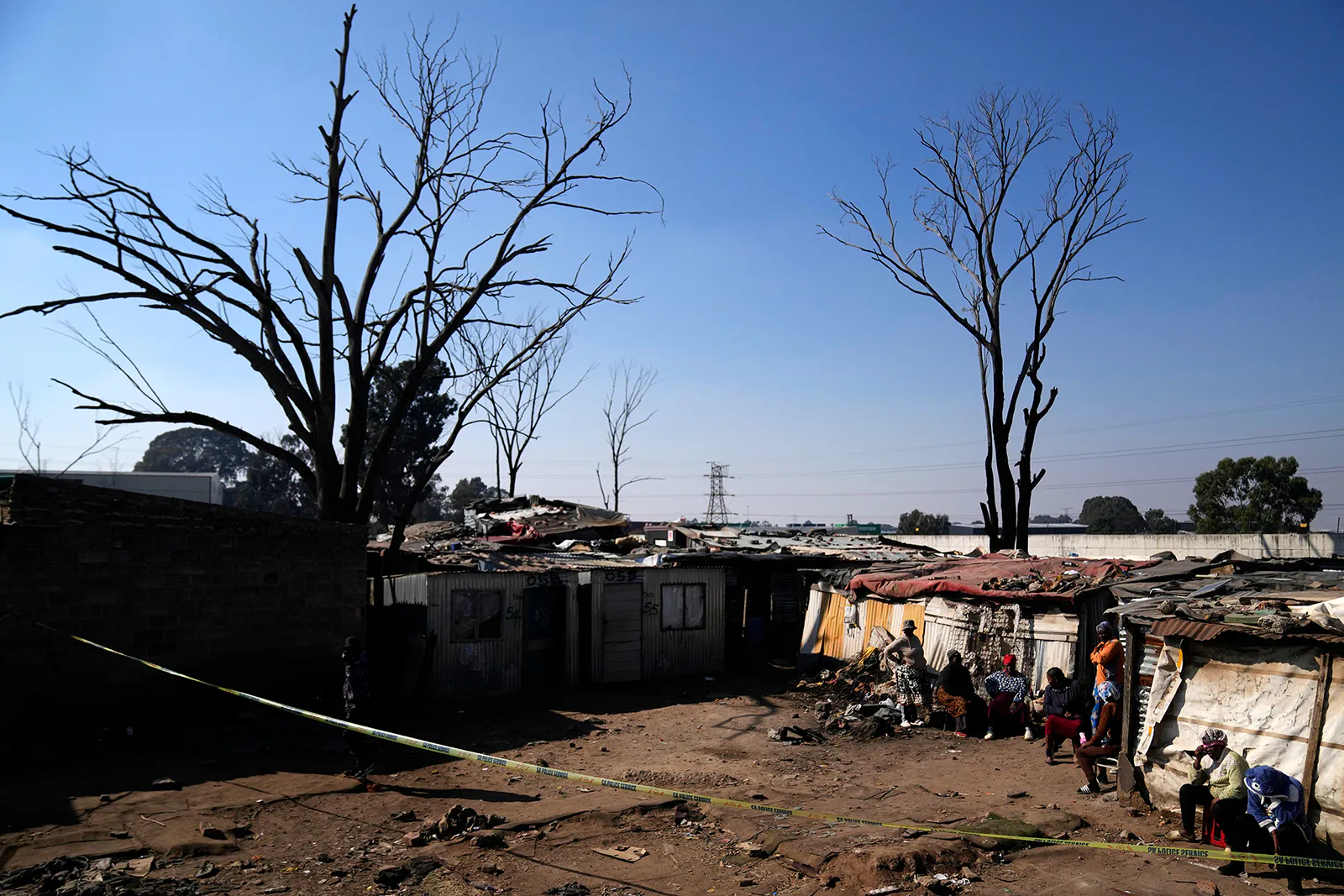
Religion News Service — 15 June 2026
Text:
37
0
0
(RNS) — The violence has resulted in at least 12 deaths, widespread destruction of foreign-owned businesses and homes and thousands of migrants fleein
Read Full Story at Religion News Service →
⚡ Quickyla Analysis
Original editorial context — not sourced from the article above
The surge in anti-migrant violence across South Africa—marked by at least a dozen deaths and the torching of foreign-owned businesses—has thrust a volatile social crisis into the spotlight, one that transcends national borders. While the immediate trigger may appear as localized resentment over economic struggles, the deeper currents reveal a troubling convergence of historical inequalities, populist scapegoating, and the enduring wounds of apartheid. South Africa’s post-apartheid promise of inclusion has often clashed with the harsh realities of persistent poverty and xenophobic rhetoric, which has periodically flared into violence, most notably in 2008 and 2019. The current wave, however, arrives against a backdrop of global backlash against migration, where nationalist movements in Europe, the United States, and beyond have normalized the demonization of outsiders as economic threats. This regional spillover highlights how local grievances can be amplified by transnational narratives of exclusion, making South Africa’s crisis a microcosm of a broader global challenge.
What makes the clergy’s intervention particularly significant is its moral framing—a counterpoint to the political exploitation of fear. Religious leaders, drawing on traditions of hospitality and reconciliation, are positioning themselves as mediators in a polarized debate, advocating for dialogue over division. Their stance is not merely ethical but strategic; studies in conflict zones repeatedly show that top-down security responses often fail without community buy-in. Yet questions linger about their influence. Can faith-based appeals overcome deep-seated economic anxieties and the political utility of scapegoating? The government’s response has been inconsistent, oscillating between condemnation of the violence and tacit nods to anti-foreigner sentiment. With national elections looming, the temptation to stoke nationalist rhetoric for electoral gain remains high.
Looking ahead, the path forward appears precarious. If the violence escalates, neighboring countries may retaliate with trade restrictions or deportations, further destabilizing the region. Conversely, a sustained interfaith campaign could foster grassroots reconciliation, but only if paired with tangible economic reforms addressing the structural unemployment and inequality fueling resentment. The crisis also raises urgent questions about international responsibility. While the African Union and United Nations have condemned the attacks, concrete support for South Africa’s most vulnerable—both citizens and migrants—has been lacking. The world’s response to this moral test could set a precedent for how it handles similar tensions elsewhere.
Sources

🕌 Religion & Faith
Defense Department rejiggers list of recognized religions after backlash, narrows it to 30

🕌 Religion & Faith
Odiong guilty in Texas: Questions remain for several Church leaders

🕌 Religion & Faith
Trump’s latest attack on Leo XIV isn’t really about the pope

🕌 Religion & Faith
Pope Leo XIII updates just war theory
🕌 Religion & Faith
Photos of the Week: Ebola responses, end of Hajj
🕌 Religion & Faith
High hopes, many challenges for Bangladesh’s first Indigenous Catholic MP

