An Episcopal camp offers queer Christians an affirming haven in Idaho
(FāVS News) — The Episcopal Diocese of Spokane has hosted Queer Camp at Lake Coeur d’Alene since 2024, offering LGBTQ+ Christians and allies an affirming retreat in a state that introduced 27 anti-LG…
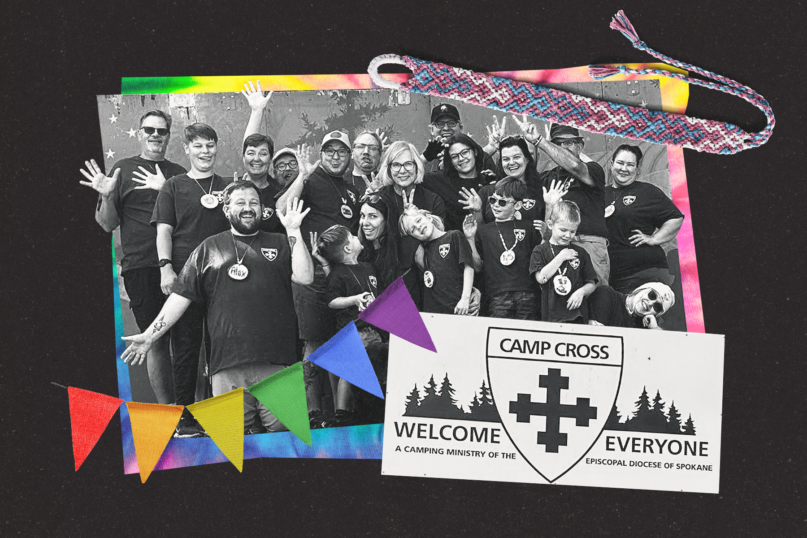
Religion News Service — 16 June 2026
Text:
36
0
0
(FāVS News) — The Episcopal Diocese of Spokane has hosted Queer Camp at Lake Coeur d’Alene since 2024, offering LGBTQ+ Christians and allies an affirm
Read Full Story at Religion News Service →
⚡ Quickyla Analysis
Original editorial context — not sourced from the article above
The emergence of Queer Camp in Idaho’s Episcopal Diocese is more than a localized retreat—it’s a quiet but deliberate counterpoint to the state’s escalating legislative hostility toward LGBTQ+ communities. With Idaho having introduced 27 anti-LGBTQ+ bills in recent years—ranging from restrictions on drag performances to bans on gender-affirming care—this camp represents a rare sanctuary where queer Christians can worship, reflect, and simply exist without fear of political or social censure. Its significance lies not just in the spiritual affirmation it offers, but in the symbolic resistance it embodies: a faith-based institution actively carving out space for inclusion at a time when many conservative denominations and state governments are doubling down on exclusionary policies.
This isn’t an isolated phenomenon. Across the U.S., mainline Protestant denominations like the Episcopal Church, United Church of Christ, and some branches of Methodism have become increasingly vocal in their support for LGBTQ+ rights, often clashing with evangelical and Catholic counterparts. Idaho, however, is a particularly stark battleground. The state’s conservative legislature has positioned itself as a leader in anti-LGBTQ+ legislation, making the diocese’s decision to host such a camp a deliberate act of defiance. The Episcopal Church’s longstanding tradition of progressive social justice advocacy—rooted in its inclusive theology—has found new urgency in this context, where the very act of gathering for worship can feel like an act of resistance.
What remains to be seen is whether this camp can sustain momentum beyond its inaugural year. Will it draw broader participation from queer Christians across the Pacific Northwest, or remain a niche but vital outlier? The diocese’s willingness to host it may also invite backlash from local political or religious figures, testing the limits of institutional tolerance in a state where LGBTQ+ rights are increasingly framed as a culture-war battleground. For now, Queer Camp stands as both a beacon and a challenge—one that asks whether faith communities can truly serve as refuges in an era of deepening polarization.
Sources

🕌 Religion & Faith
Defense Department rejiggers list of recognized religions after backlash, narrows it to 30
🕌 Religion & Faith
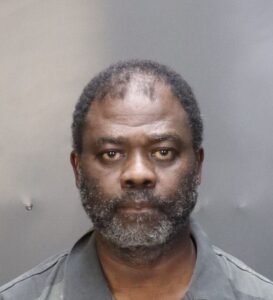
Odiong guilty in Texas: Questions remain for several Church leaders

🕌 Religion & Faith
Trump’s latest attack on Leo XIV isn’t really about the pope

🕌 Religion & Faith
Pope Leo XIII updates just war theory
🕌 Religion & Faith
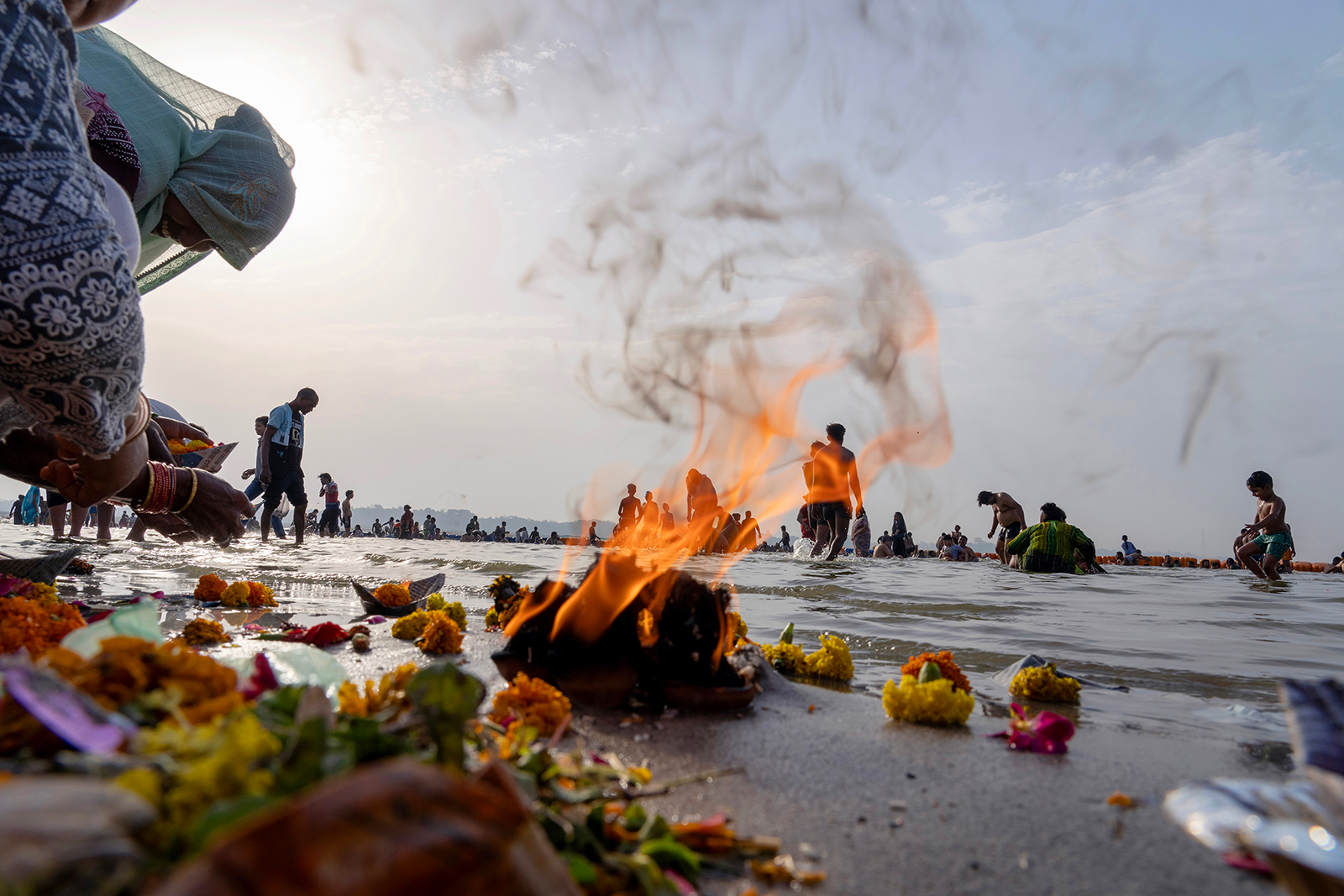
Photos of the Week: Ebola responses, end of Hajj
🕌 Religion & Faith
High hopes, many challenges for Bangladesh’s first Indigenous Catholic MP

