An invisible forever chemical rain is falling across the planet
A surprising study suggests that chemicals introduced to protect the ozone layer may have unintentionally created a growing global pollution problem. Researchers found that refrigerants and certain a…
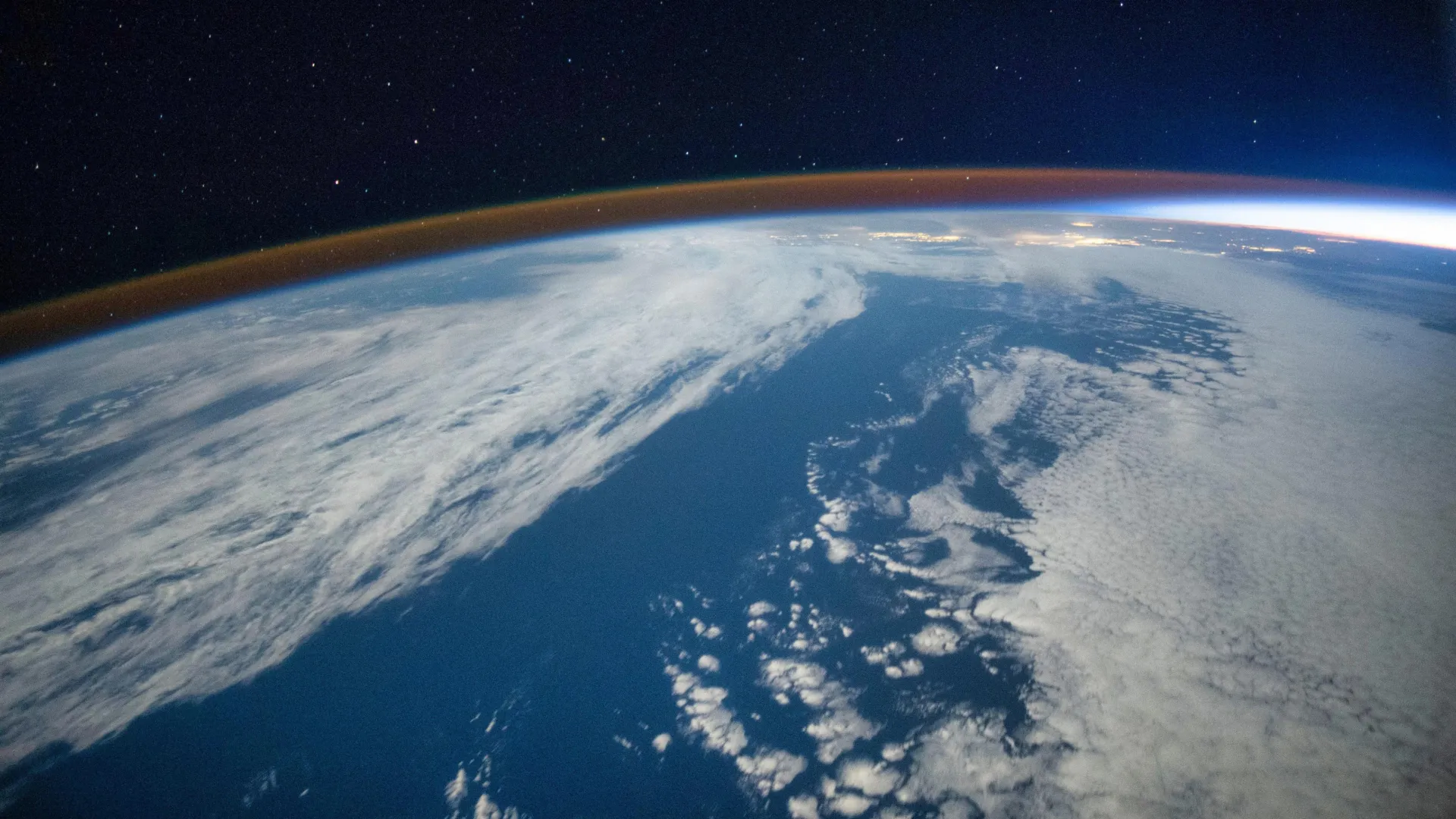
A surprising study suggests that chemicals introduced to protect the ozone layer may have unintentionally created a growing global pollution problem.
Read Full Story at ScienceDaily →Why This Matters
The discovery of an invisible "forever chemical" rain underscores how regulatory trade-offs can create unintended environmental crises. Unlike traditional pollutants that dissipate over time, these compounds persist indefinitely, silently accumulating in ecosystems and human bodies, raising urgent questions about the long-term viability of current chemical regulations.
Background Context
In the 1980s, chlorofluorocarbons (CFCs) were phased out under the Montreal Protocol to heal the ozone layer, but their replacements—hydrofluorocarbons (HFCs) and other short-lived halogenated substances—now appear to be driving a new wave of atmospheric contamination. These compounds, though less ozone-depleting, break down into per- and polyfluoroalkyl substances (PFAS), which resist degradation and are linked to severe health risks.
What Happens Next
Policymakers may face pressure to expand the Montreal Protocol to regulate HFC derivatives, but enforcement will be difficult given their global dispersion. Meanwhile, industries reliant on these chemicals could resist change, creating tension between environmental protection and economic interests. The study’s findings also demand deeper research into the cumulative impact of these pollutants on climate systems and public health.
Bigger Picture
This case exemplifies a growing pattern where solutions to one environmental problem inadvertently spawn another, highlighting the need for more holistic regulatory frameworks. It also raises broader concerns about the unintended consequences of chemical innovation, where short-term fixes often lead to long-term liabilities that are harder and costlier to address.







