🌱 Environment
Live
Analysis: Energy-efficient air conditioning could save Indian homes 69bn rupees a year
More energy-efficient air-conditioning units could, together, save Indian households ₹69bn ($724m) a year, according to... The post Analysis: Energy-efficient air conditioning could save Indian homes…
Carbon Brief — 16 June 2026
Text:
30
0
0
More energy-efficient air-conditioning units could, together, save Indian households ₹69bn ($724m) a year, according to... The post Analysis: Energy-
Read Full Story at Carbon Brief →
⚡ Quickyla Analysis
Original editorial context — not sourced from the article above
The revelation that India could slash household energy costs by ₹69 billion annually through more efficient air-conditioning units underscores a critical inflection point in the country’s energy transition—not just for household budgets, but for its broader economic and environmental trajectory. Air-conditioning demand in India is surging, driven by rising incomes, urbanization, and more frequent extreme heat events linked to climate change. Yet, the average split-unit AC sold in India today is often decades behind global efficiency standards, consuming far more power than necessary. This gap represents more than a missed opportunity for cost savings; it highlights how India’s energy infrastructure, already straining under peak demand, could avoid costly grid expansions and reduce reliance on coal-powered electricity by prioritizing efficiency upgrades.
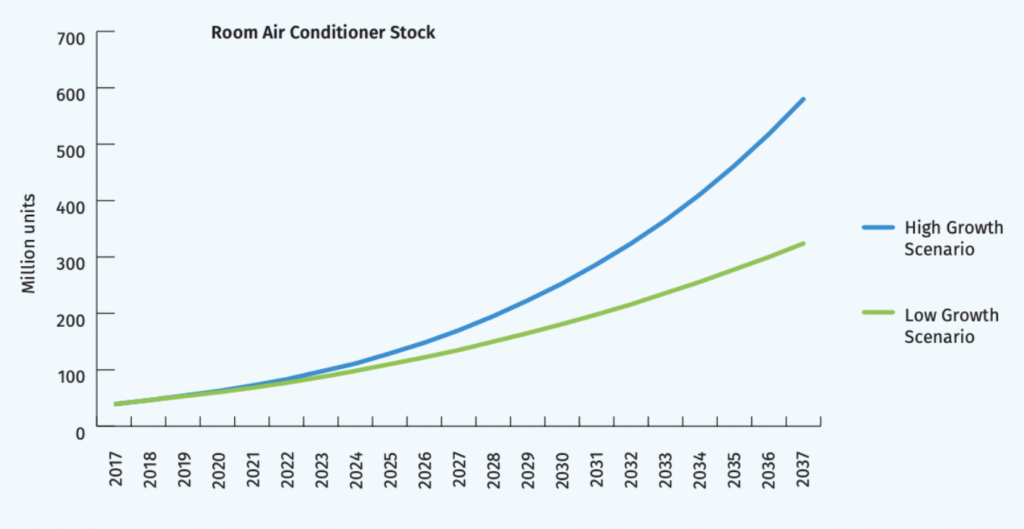
What makes this figure particularly significant is its ripple effect. India’s residential AC market is expanding rapidly, with sales expected to triple by 2030. If efficiency improvements lag behind, the country could face a compounding crisis: households paying higher bills, utilities building new power plants, and a heavier carbon footprint from increased electricity use. The ₹69 billion potential saving is a conservative estimate—it doesn’t account for the reduced strain on aging transmission networks or the health benefits of lower indoor heat exposure. Policymakers have already taken steps, like the government’s push for 28°C default settings in public buildings and energy efficiency standards for appliances. But enforcement remains uneven, and consumer awareness about long-term savings versus upfront costs is still catching up.
Looking ahead, the path forward depends on whether efficiency becomes a market-driven priority or a regulatory mandate. Manufacturers may resist higher upfront prices for premium models, while consumers accustomed to cheap electricity may not prioritize efficiency in their purchasing decisions. Yet, as heatwaves intensify and grid constraints grow, the case for smarter consumption will only strengthen. The question isn’t whether India will adapt, but how quickly—and whether it can do so without exacerbating social inequalities in access to cooling. In a nation where air-conditioning is increasingly a necessity rather than a luxury, efficiency isn’t just about saving money; it’s about building resilience in the face of a warming world.
Sources

🌱 Environment
Erin Brockovich criticizes Microsoft data center secrecy in Utah

🌱 Environment
Rescues in eastern Syria after the Euphrates River bursts its banks

🌱 Environment
Indonesians mark 20 years since mud volcano eruption swallowed up entire communities in East Java

🌱 Environment
Biden’s Clean Drinking Water Plan Is Being Rebranded as MAHA

🌱 Environment
Heat is Killing Wildlife Across the Animal Kingdom. A New Forecasting Tool May Help

🌱 Environment
Trump’s EPA Unlawfully Cancelled Environmental Justice Grants, Judge Rules

