Analysis of Texas measles outbreak shows just how dangerous virus is
About 1 in 5 cases were hospitalized and most of those developed complications.
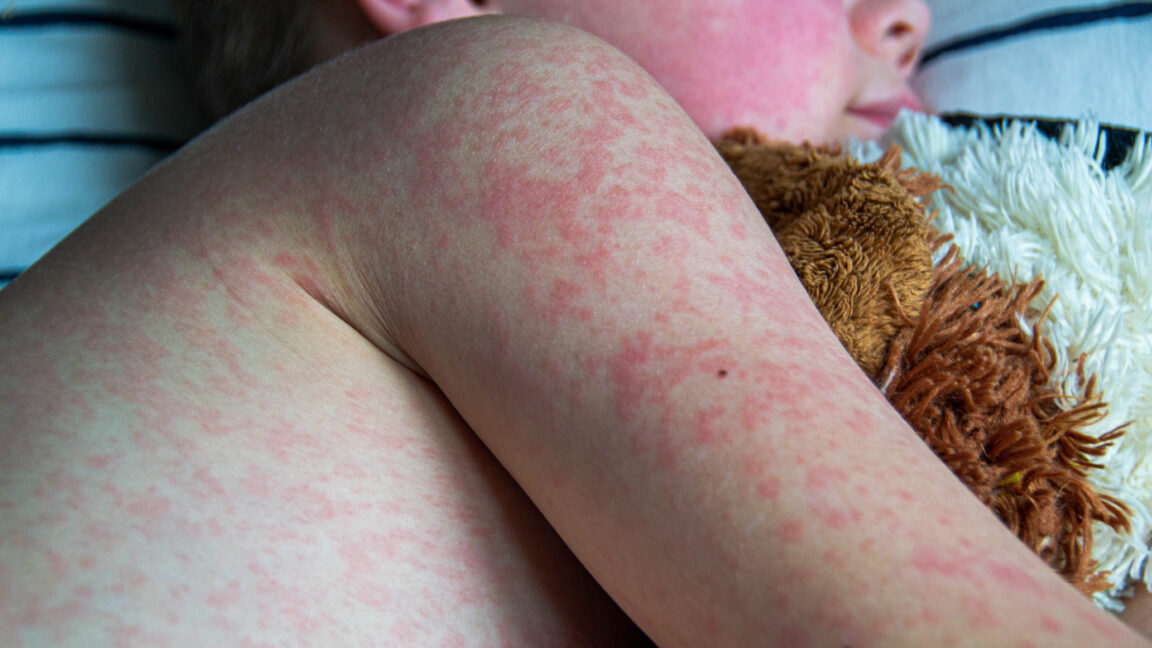
About 1 in 5 cases were hospitalized and most of those developed complications. This report comes from Ars Technica. The story centres on Analysis of
Read Full Story at Ars Technica →Why This Matters
The Texas measles outbreak underscores the persistent public health risks posed by vaccine-preventable diseases, particularly as vaccination rates in some communities teeter on the edge of herd immunity thresholds. It serves as a stark reminder that measles—one of the most contagious viruses known—can quickly spiral from isolated cases to severe outbreaks when vaccination gaps emerge, regardless of a region’s overall health infrastructure.
Background Context
Measles was declared eliminated in the U.S. in 2000, but sporadic outbreaks have resurged in recent years due to declining vaccination rates in certain pockets of the population, fueled by misinformation campaigns and distrust in public health guidance. Texas, with its large population and decentralized public health system, has been particularly vulnerable to these shifts, with several counties reporting vaccination exemption rates well above the national average.
What Happens Next
Public health officials will likely intensify targeted vaccination drives in affected and at-risk communities, while policymakers may revisit state-level immunization laws to close loopholes that allow exemptions without stringent medical justification. The outbreak also raises urgent questions about preparedness in hospitals, where the strain on pediatric and infectious disease units could expose weaknesses in emergency response systems.
Bigger Picture
This incident is part of a troubling global pattern, where vaccine hesitancy and political polarization intersect to undermine decades of progress in infectious disease control. It also highlights the growing burden on underfunded public health systems, which must now contend with both resurgent preventable diseases and the long-term consequences of delayed or inadequate medical care during outbreaks.




