Ancient Denisovan DNA still shapes human immunity today
Ancient encounters between humans and the mysterious Denisovans are still shaping people today. By analyzing genomes from populations across the Pacific, researchers uncovered evidence that the ances…
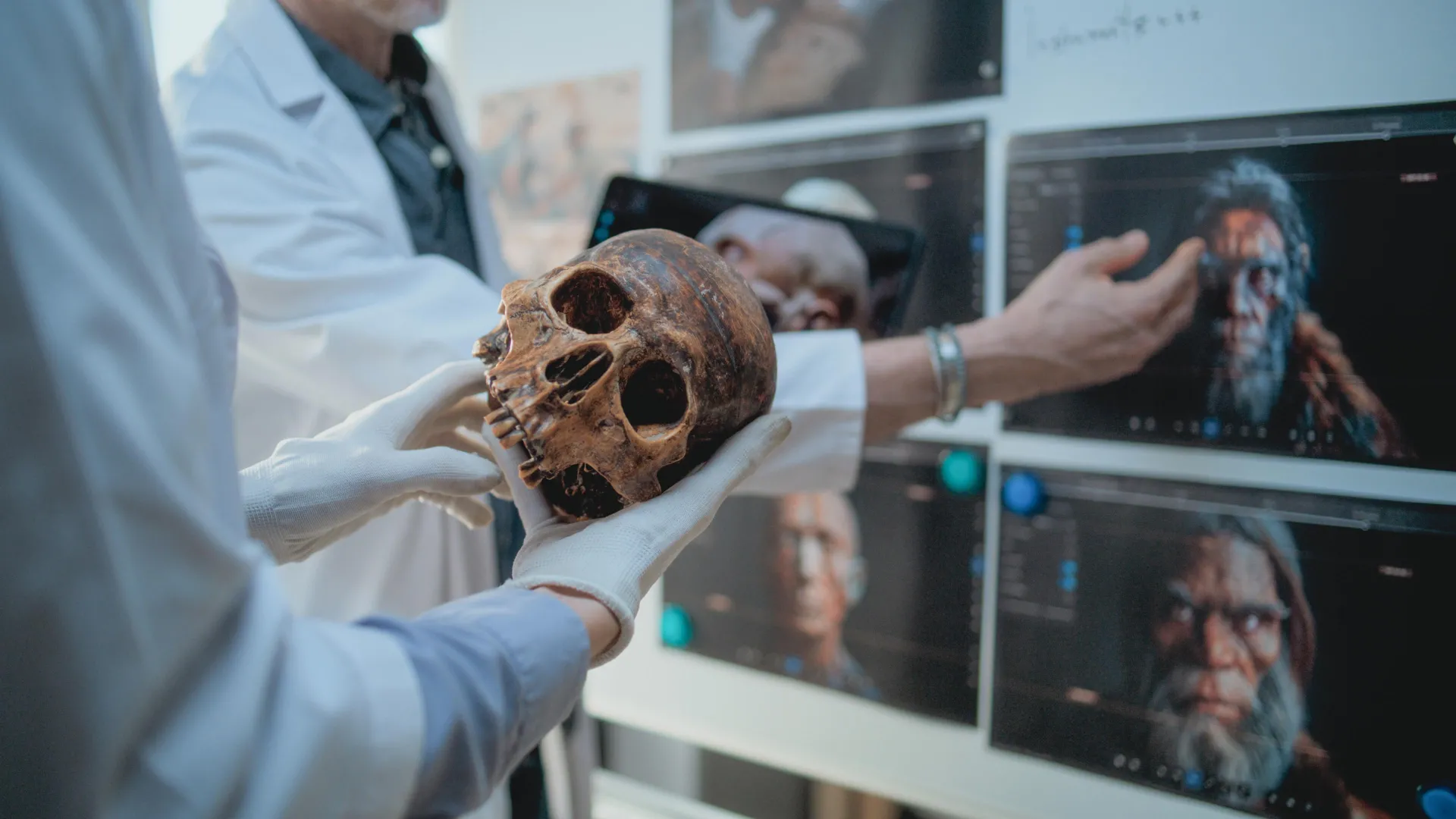
Ancient encounters between humans and the mysterious Denisovans are still shaping people today. By analyzing genomes from populations across the Pacif
Read Full Story at ScienceDaily →Why This Matters
The revelation that Denisovan DNA continues to influence modern human immunity underscores how prehistoric encounters still echo in our biology. This discovery forces a reckoning with the idea that ancient admixture isn't just a footnote in human history—it is an active force in contemporary health, disease resistance, and even the evolutionary arms race between pathogens and hosts.
Background Context
Denisovans, first identified from a single finger bone in Siberia’s Denisova Cave, were once dismissed as a footnote in human evolution. Yet their genetic legacy persists in modern populations across Southeast Asia and Oceania, particularly among Melanesians and Indigenous Australians, who retain up to 5% Denisovan ancestry. The new research suggests these ancient interbreeding events were not random but shaped by environmental pressures, possibly including exposure to novel pathogens in the Pleistocene.
What Happens Next
As researchers refine their methods, expect a surge in studies linking Denisovan genetic variants to specific immune responses, potentially revealing new mechanisms for battling contemporary diseases. Public health strategies may soon incorporate these ancient adaptations into vaccine design or treatments for autoimmune disorders. The findings also raise ethical questions about how genetic inheritance from extinct hominins is framed in medical ethics and ancestry debates.
Bigger Picture
This discovery aligns with a growing body of evidence that human evolution is far from linear—it is a patchwork of interspecies collaboration and competition. As climate change and globalization alter pathogen landscapes, the Denisovan legacy could become a critical lens for understanding how human populations adapt (or fail to adapt) on a planet reshaped by both natural and human forces.







