Ancient DNA reveals plague was already killing humans 5,500 years ago
Plague was already a deadly killer 5,500 years ago, long before cities, farming, or the rat-infested conditions usually linked to historic outbreaks. By analyzing ancient DNA from hunter-gatherer cem…
ScienceDaily — 18 June 2026
Text:
19
0
0
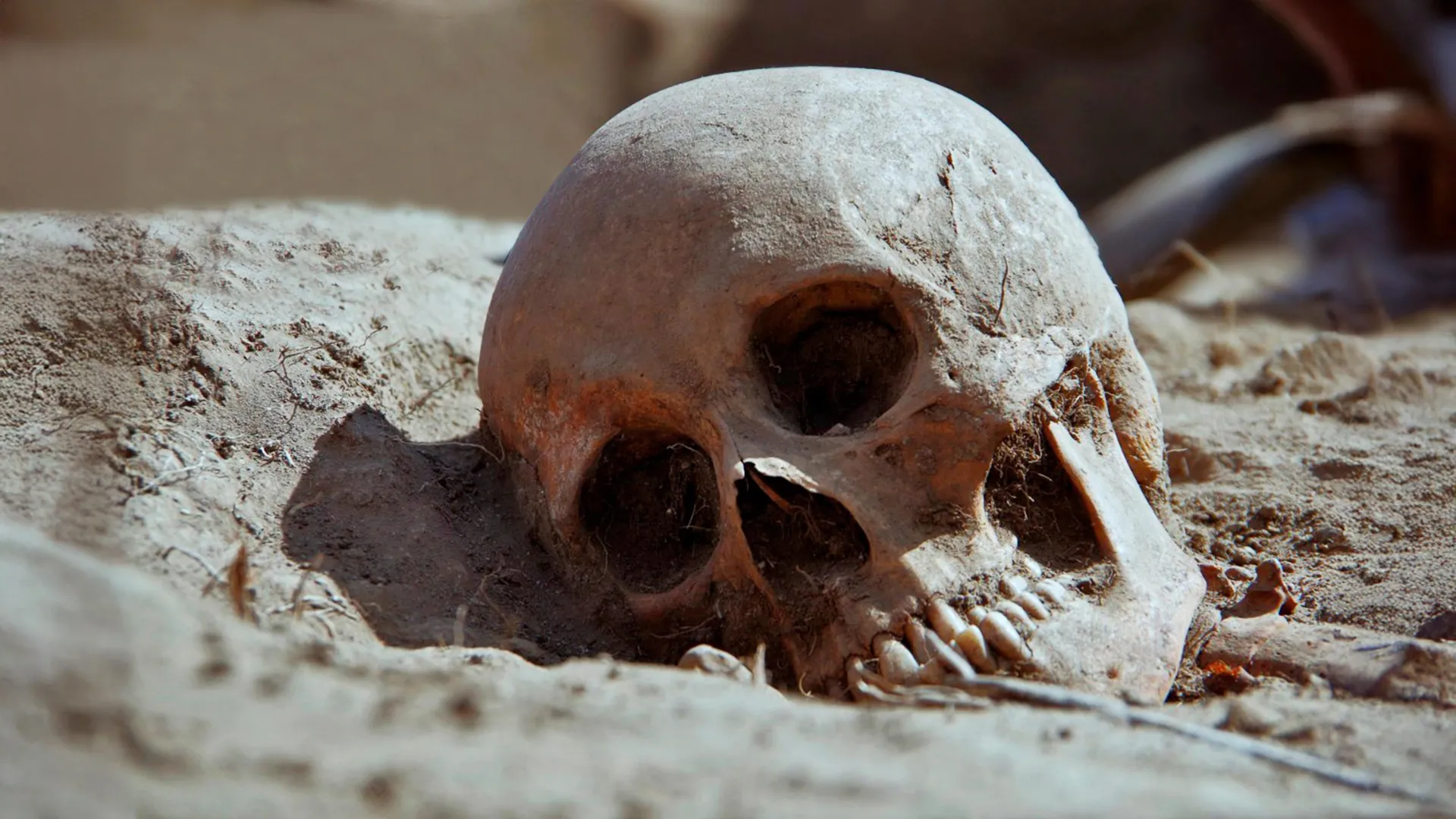
Plague was already a deadly killer 5,500 years ago, long before cities, farming, or the rat-infested conditions usually linked to historic outbreaks.
Read Full Story at ScienceDaily →
⚡ Quickyla Analysis
Original editorial context — not sourced from the article above
The revelation that plague-related bacteria infected humans 5,500 years ago—predating agriculture and urbanization—challenges long-held assumptions about one of humanity’s deadliest foes. Traditionally, the plague has been associated with densely populated cities and the Black Death’s medieval rat-fleas, but this discovery suggests its origins lie far deeper in prehistory. The findings, drawn from ancient DNA in hunter-gatherer remains, imply that *Yersinia pestis* may have been a persistent, if sporadic, human pathogen long before the agricultural revolution. This shifts our understanding of the plague from a disease of civilization’s dark corners to a potential ancient scourge that may have shaped early human populations in ways we’re only beginning to grasp.
The implications are substantial. If plague was already circulating among mobile hunter-gatherer groups, it could have acted as a selective pressure, favoring genetic resistances or even contributing to demographic collapses in prehistoric societies. The absence of large settlements or rodent reservoirs in this period raises questions about how the bacteria spread—was it through human-to-human contact, contaminated water, or another vector entirely? These unknowns underscore how little we still know about early disease ecology, particularly among nomadic populations whose lives left sparse archaeological traces.
Moving forward, researchers will likely hunt for more ancient plague genomes to trace its evolutionary trajectory. Did it evolve from a less virulent ancestor? Did it occasionally flare into deadly outbreaks, or was it a chronic but manageable infection? The answers could reshape our view of prehistoric mortality, hinting that pandemics weren’t just a byproduct of urbanization but an ever-present shadow in human history. This also raises broader questions about how other ancient pathogens might have influenced human evolution—perhaps even contributing to the decline of some Neolithic cultures long before written records. The past, it seems, is far more biologically tumultuous than we assumed.
Sources

🔬 Science
'Astonishing': James Webb telescope spots the most chemically primitive galaxy in the ancient universe

🔬 Science
El Niño Is Underway

🔬 Science
Astronomers gaze into the 'Crystal Ball Nebula' and see a vision of our dying sun — Space photo of the week

🔬 Science
Bacteria uncover distinct strategy to import rare sugar polymers, crystal structures show

🔬 Science
NASA Awards Contract for Johnson Space Center Infrastructure

🔬 Science
Repairing DNA damage: Scientists discover a surprising new benefit of melatonin

