Ancient DNA reveals the mysterious collapse of Europe's megalith builders
DNA from a 5,000-year-old French megalithic tomb reveals that the people buried before and after a population collapse were genetically unrelated, pointing to a major migration after a devastating cri
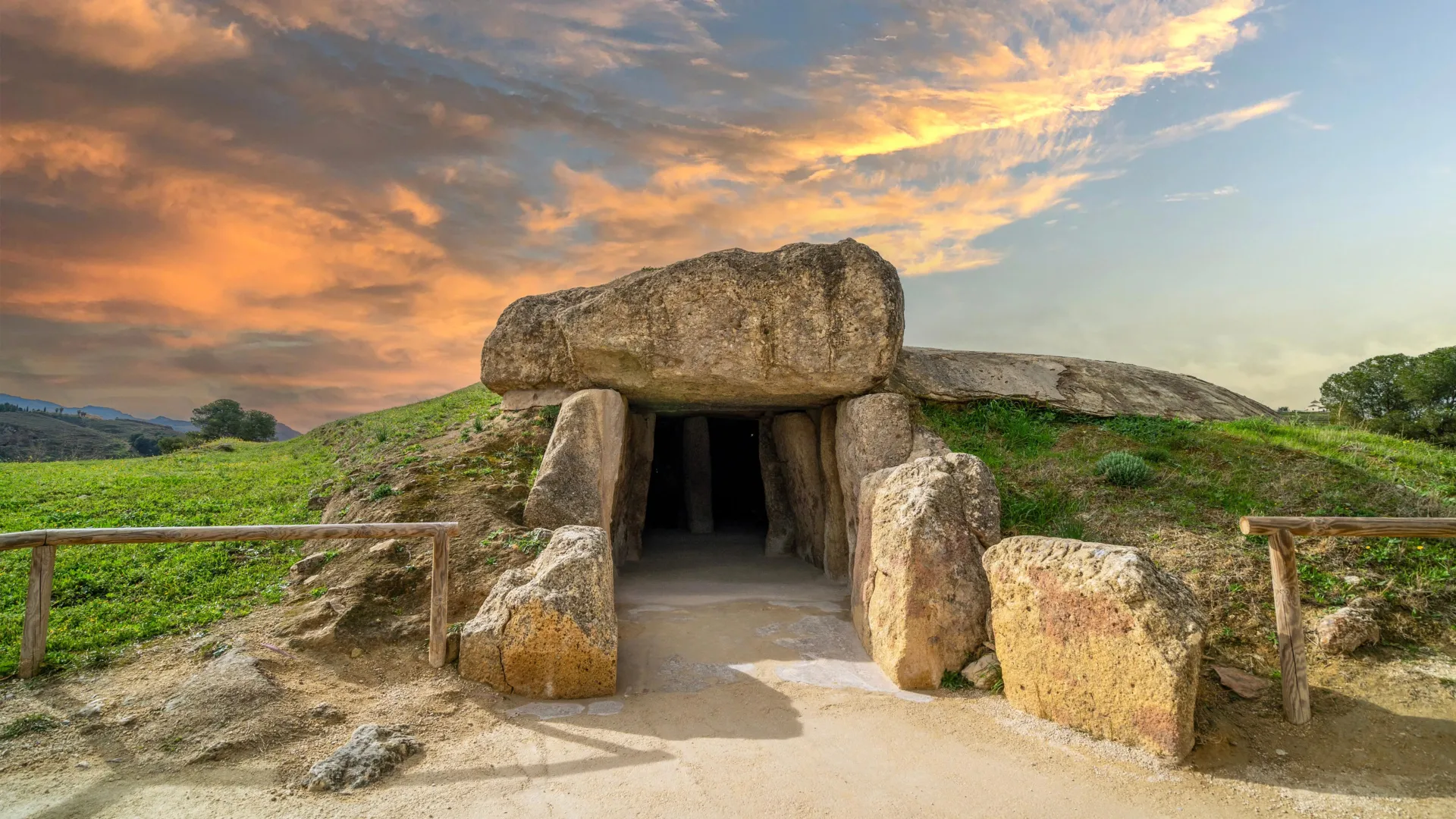
DNA from a 5,000-year-old French megalithic tomb reveals that the people buried before and after a population collapse were genetically unrelated, poi
Read Full Story at ScienceDaily →Why This Matters
The genetic upheaval revealed by this 5,000-year-old burial site challenges long-held assumptions about cultural continuity in prehistoric Europe. It suggests that the rise and fall of megalithic societies were not merely local phenomena but part of a larger, continent-wide disruption tied to migration and environmental pressures. For historians and archaeologists, this underscores the need to reevaluate how we interpret the Neolithic transition and the role of genetic turnover in shaping early European civilizations.
Background Context
Megalithic cultures—known for their monumental tombs and stone circles—dominated Western Europe for over a thousand years, from around 4500 to 3000 BCE. Yet their sudden decline remains one of archaeology’s great unsolved puzzles, with theories ranging from climate change to social collapse. The genetic evidence from this French tomb adds a new layer: it implies that the people who rebuilt these sites after the collapse were not descendants of the original builders but newcomers whose arrival may have accelerated the cultural shift.
What Happens Next
This discovery will likely spur further ancient DNA studies in other megalithic regions, testing whether similar genetic replacements occurred elsewhere in Europe. Researchers will also need to investigate whether this migration was gradual or abrupt, and whether it was driven by factors like disease, warfare, or climate-induced resource scarcity. For modern debates on migration and cultural change, this case provides a prehistoric parallel that could reshape how we understand long-term demographic shifts.
Bigger Picture
The findings align with a growing body of evidence that Europe’s Neolithic period was punctuated by repeated waves of migration, not just gradual cultural diffusion. This challenges the traditional view of prehistory as a slow, organic process and highlights the disruptive power of human mobility. It also raises questions about how genetic turnover might have influenced technological and artistic innovations, reinforcing the idea that cultural change is often tied to demographic upheaval.