Anthropic CEO Warns AI Is Getting Too Powerful—While Releasing Powerful AI
In a new essay, Dario Amodei called for binding safety rules for frontier models as his company heads toward an IPO.
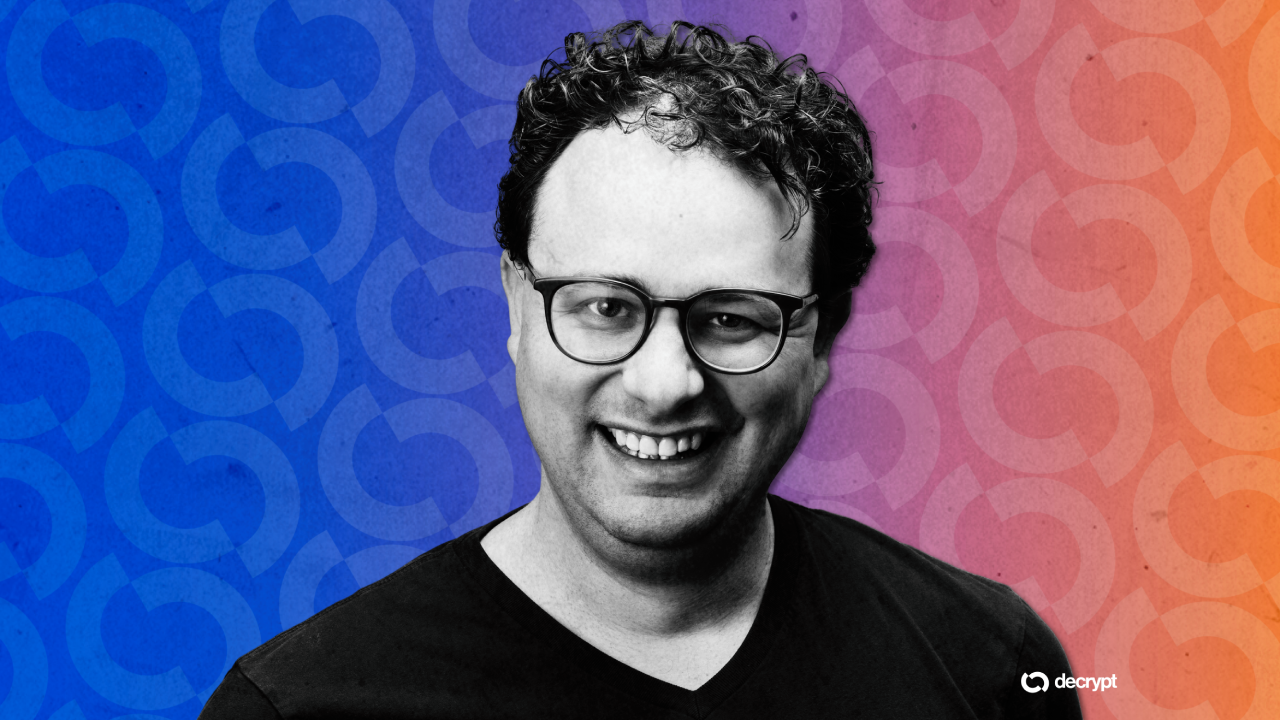
In a new essay, Dario Amodei called for binding safety rules for frontier models as his company heads toward an IPO. This report comes from Decrypt.
Read Full Story at Decrypt →Why This Matters
Dario Amodei’s dual message—urging regulation while accelerating his company’s AI capabilities—exposes a growing tension in Silicon Valley: profit incentives are outpacing ethical guardrails. This moment crystallizes the industry’s struggle to self-regulate as breakthroughs in frontier AI models outpace both public understanding and policy frameworks, making the call for binding safety rules both inevitable and long overdue.
Background Context
Anthropic’s rapid ascent mirrors the broader AI boom, where startups like it and Mistral have carved niches between Big Tech’s closed ecosystems and open-source alternatives. The company’s shift toward an IPO reflects a maturation phase where financial pressures may clash with founder-driven safety missions—especially after high-profile failures like Google’s Gemini debacle underscored the risks of unchecked AI deployment.
What Happens Next
Expect intensified lobbying from Anthropic and peers as Washington drafts AI safety legislation, with companies positioning themselves as partners rather than adversaries to regulators. Meanwhile, rival labs may accelerate their own model releases to preempt external constraints, creating a race to the bottom on safety standards that could force policymakers to intervene sooner. Watch for splits between AI firms prioritizing commercialization versus those embracing voluntary moratoriums.
Bigger Picture
This episode highlights a systemic paradox: the same technologies enabling unprecedented efficiency and innovation also demand unprecedented oversight. It underscores how the AI sector’s decentralized, hyper-competitive nature has made it uniquely resistant to traditional regulatory approaches, raising questions about whether safety can ever be a market-driven priority—or if external shocks, like a major AI-related disaster, will be required to spur meaningful action.




