💻 Technology
Live
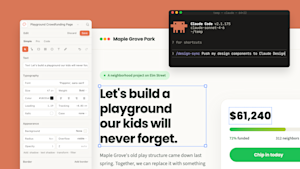
Anthropic ships major Claude Design overhaul with design system imports, code round-trips, and a fix for its token-burning problem
When Anthropic quietly released Claude Design in April as a " research preview ," it generated the kind of instant traction most product teams dream about: more than one million users in its first we…
VentureBeat — 17 June 2026
Text:
25
0
0
When Anthropic quietly released Claude Design in April as a " research preview ," it generated the kind of instant traction most product teams dream a
Read Full Story at VentureBeat →
⚡ Quickyla Analysis
Original editorial context — not sourced from the article above
The latest overhaul of Anthropic’s Claude Design marks more than just a product update—it signals a pivotal shift in how AI tools might integrate into the messy, collaborative reality of modern software development. By introducing design system imports, code round-trips, and a fix for its token-burning problem, Anthropic isn’t just refining an interface; it’s addressing the friction points that have long constrained AI’s utility in creative workflows. For a tool that already captured a million users in its first week, this expansion suggests Anthropic is moving beyond experimental novelty toward something closer to a professional-grade assistant—one that can bridge the gap between abstract design ideas and executable code without bleeding the user’s budget dry.
The significance of this update becomes clearer when considering the broader context of AI in design. For years, tools like Figma and Adobe have relied on proprietary formats, forcing designers to rely on clunky export-import cycles or manual handoffs to developers. Anthropic’s approach—enabling direct system imports and two-way code exchanges—could democratize the handoff process, potentially reducing errors and accelerating iterations. Yet this also raises questions about compatibility with existing ecosystems. Will design systems built in Figma or Sketch translate seamlessly into Claude’s framework, or will early adopters hit walls when integrating with legacy tools?
Equally critical is the fix for the token-burning problem. Early users of Claude Design reported that prolonged sessions could consume tokens at an unsustainable rate, effectively pricing out small teams or solo practitioners. If Anthropic has truly resolved this, it removes a major barrier to adoption, especially for startups or freelancers who can’t afford to gamble on runaway costs. The broader trend here reflects a wider maturation in the AI space: as competition intensifies, the focus is shifting from flashy demos to practical economics.
What remains to be seen is how deeply these changes will permeate actual workflows. Will designers and engineers embrace this level of integration, or will they revert to familiar tools when faced with real-world constraints? The answers could redefine the future of collaborative AI—one where the line between idea and implementation blurs entirely.
Sources

💻 Technology
You can now beat ChatGPT Codex rate limits, if you have friends

💻 Technology
Meta is reportedly developing an AI pendant

💻 Technology
Coders are refusing to work without AI — and that could come back to bite them

💻 Technology
Cash App made a magic wand for contactless payments

💻 Technology
Hackers hijacked Instagram accounts by tricking Meta AI support chatbot into granting access

💻 Technology
Asus gives the ROX Xbox Ally the OLED screen it deserves

