💻 Technology
Live
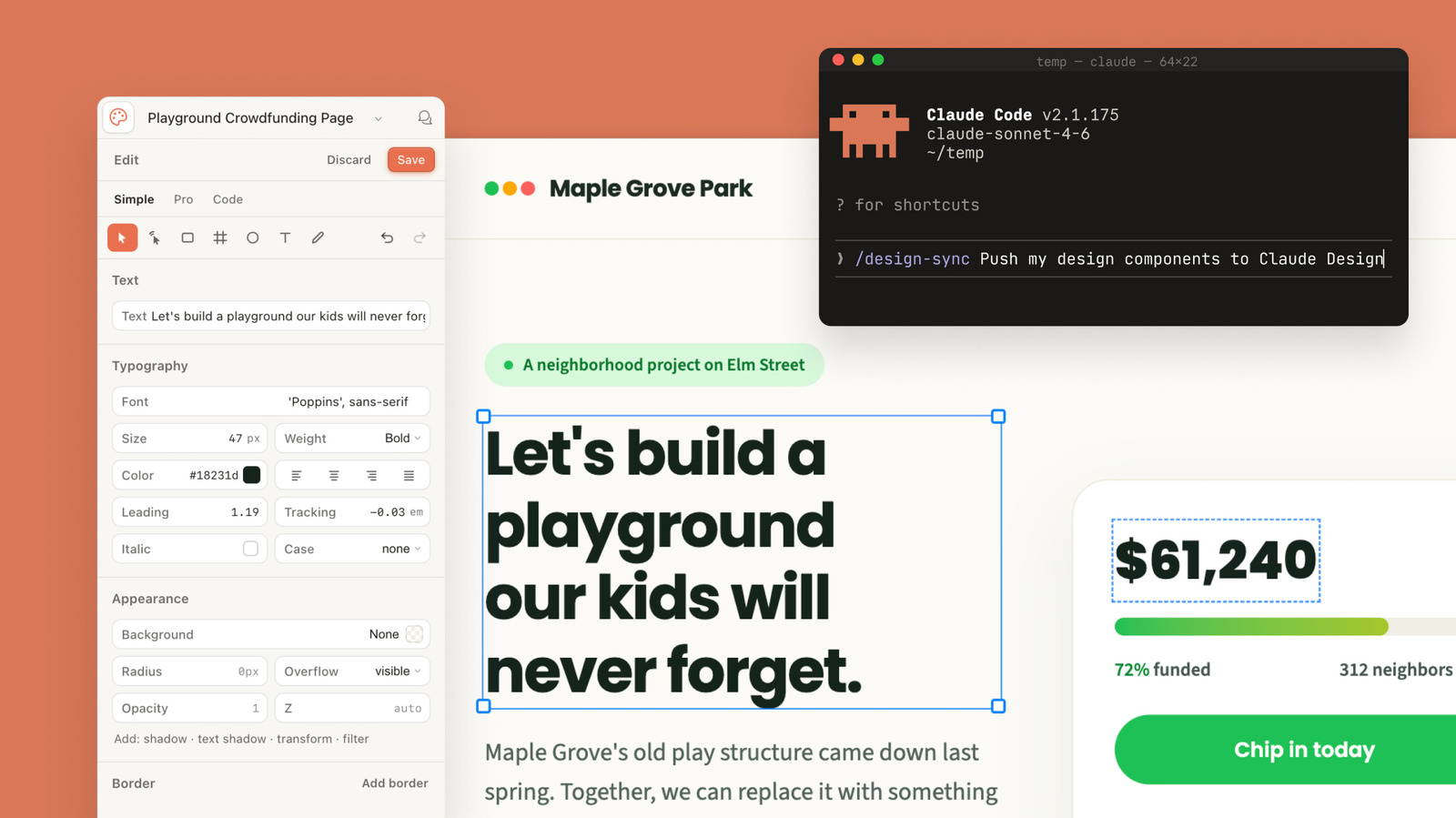
Anthropic's design assistant now works better with its coding agent
Exactly two months after releasing a preview of Claude Design to subscribers, Anthropic has begun rolling out a major update for its design assistant that brings better integration with its other app…
Engadget — 17 June 2026
Text:
15
0
0
Exactly two months after releasing a preview of Claude Design to subscribers, Anthropic has begun rolling out a major update for its design assistant
Read Full Story at Engadget →
⚡ Quickyla Analysis
Original editorial context — not sourced from the article above
Anthropic’s latest update to Claude Design—enhancing its collaboration with the company’s coding agent—marks a subtle but significant shift in how AI assistants are being engineered to work together. While the headline may sound technical, its broader implications reveal a broader industry trend: the move toward more integrated, multi-modal AI systems that can seamlessly transition between creative and technical tasks. This isn’t just about improving user convenience; it reflects a maturing phase in AI development where specialized tools are being stitched together into cohesive workflows, reducing friction for professionals who need to ideate, design, and implement solutions without switching platforms.
What’s less obvious is how this integration challenges the traditional boundaries between design and code. Historically, these disciplines have operated in silos, with designers focusing on visual and user experience considerations while developers handle functionality. By enabling a design assistant to better coordinate with a coding agent, Anthropic is effectively blurring that line, suggesting a future where AI can autonomously bridge gaps between form and function. This could accelerate prototyping cycles, allowing teams to iterate on designs and their underlying implementations in near real time.
The timing of this update is also telling. Just two months after the initial preview, Anthropic is already refining its product, signaling a rapid iteration cycle that contrasts with the slower, more deliberate rollouts of earlier AI tools. This pace reflects the competitive pressure in the AI space, where companies are racing to demonstrate practical utility rather than just theoretical capability. Yet, questions remain about the reliability of such integrated systems. How well will these agents handle complex, multi-step tasks where design choices directly impact code performance? And what happens when errors occur at the intersection of creativity and implementation—will users have clear accountability, or will the AI absorb the blame?
Broader trends suggest this is part of a larger movement toward AI agents that can handle end-to-end workflows, from ideation to deployment. If successful, such systems could redefine productivity tools across industries, but they also raise ethical and practical concerns about over-reliance on autonomous systems that may not always align with human intent. The next phase will likely focus on refining these integrations while addressing the risks of opacity in AI-driven decision-making.
Sources

💻 Technology
You can now beat ChatGPT Codex rate limits, if you have friends

💻 Technology
Cash App made a magic wand for contactless payments

💻 Technology
Coders are refusing to work without AI — and that could come back to bite them

💻 Technology
Hackers hijacked Instagram accounts by tricking Meta AI support chatbot into granting access

💻 Technology
‘Backrooms’ $118M WW Bonanza; ‘Obsession’ Obsessed With $148M WW; ‘Michael’ Nearing $900M WW – Global Box Office Update

💻 Technology
Asus gives the ROX Xbox Ally the OLED screen it deserves

