Scientists discover antibiotic megacluster in soil bacteria
Scientists discovered a massive gene cluster in soil bacteria producing new antibiotic compounds to fight superbugs, which kill 1.2 million people yearly. This discovery provides a new approach to dev
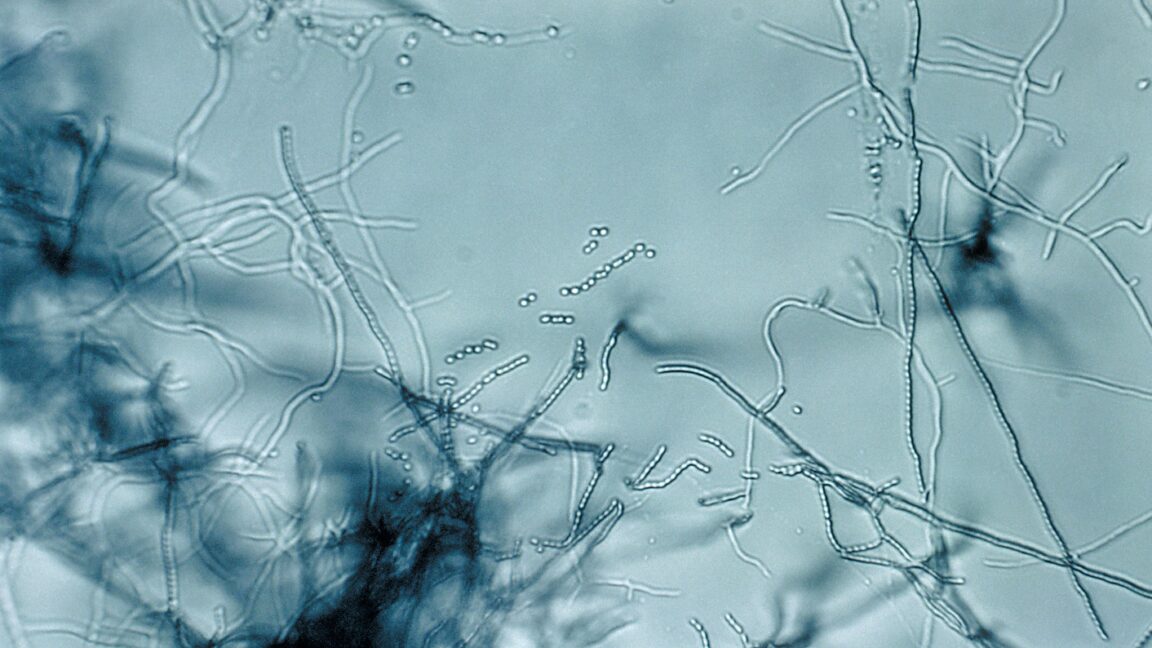
Scientists have identified an antibiotic "megacluster" that could dramatically speed up the fight against superbugs. Researchers at the University of
Read Full Story at Ars Technica →Why This Matters
The discovery of an antibiotic "megacluster" in soil bacteria represents a paradigm shift in the fight against antimicrobial resistance—a crisis the WHO has labeled one of the top global health threats. Unlike traditional antibiotic hunts that often yield incremental improvements, this breakthrough opens the door to entirely novel chemical structures that pathogens have never encountered, potentially outmaneuvering resistance mechanisms evolved over decades.
Background Context
For over 70 years, soil-dwelling bacteria like *Streptomyces* have been the primary source of clinically used antibiotics, but the rate of discovery plummeted in the 1990s as researchers hit a wall identifying already-known compounds. Meanwhile, superbugs—bacteria resistant to multiple drugs—have surged due to overprescription, agricultural antibiotic use, and stagnant investment in new classes of antibiotics, leaving clinicians with dwindling tools against infections once easily treatable.
What Happens Next
Expect a surge in bioprospecting efforts to mine underexplored environments, from deep ocean sediments to extreme terrestrial habitats, for similar gene clusters. Regulatory agencies may fast-track preclinical studies of these compounds, while pharmaceutical companies could revive abandoned antibiotic development pipelines if early-stage trials show promise against priority pathogens like MRSA or carbapenem-resistant *E. coli*.
Bigger Picture
This discovery underscores the urgent need to bridge the gap between microbial ecology and drug development, highlighting how undisturbed ecosystems may hold untapped solutions to human crises. It also signals a shift toward leveraging bacterial "secondary metabolites" not just as antibiotics, but as scaffolds for synthetic biology innovations, potentially revolutionizing how we approach both infectious disease and chronic illness treatment.