🌍 World News
Live
Anxious Republicans await details of Iran deal as Trump keeps them guessing
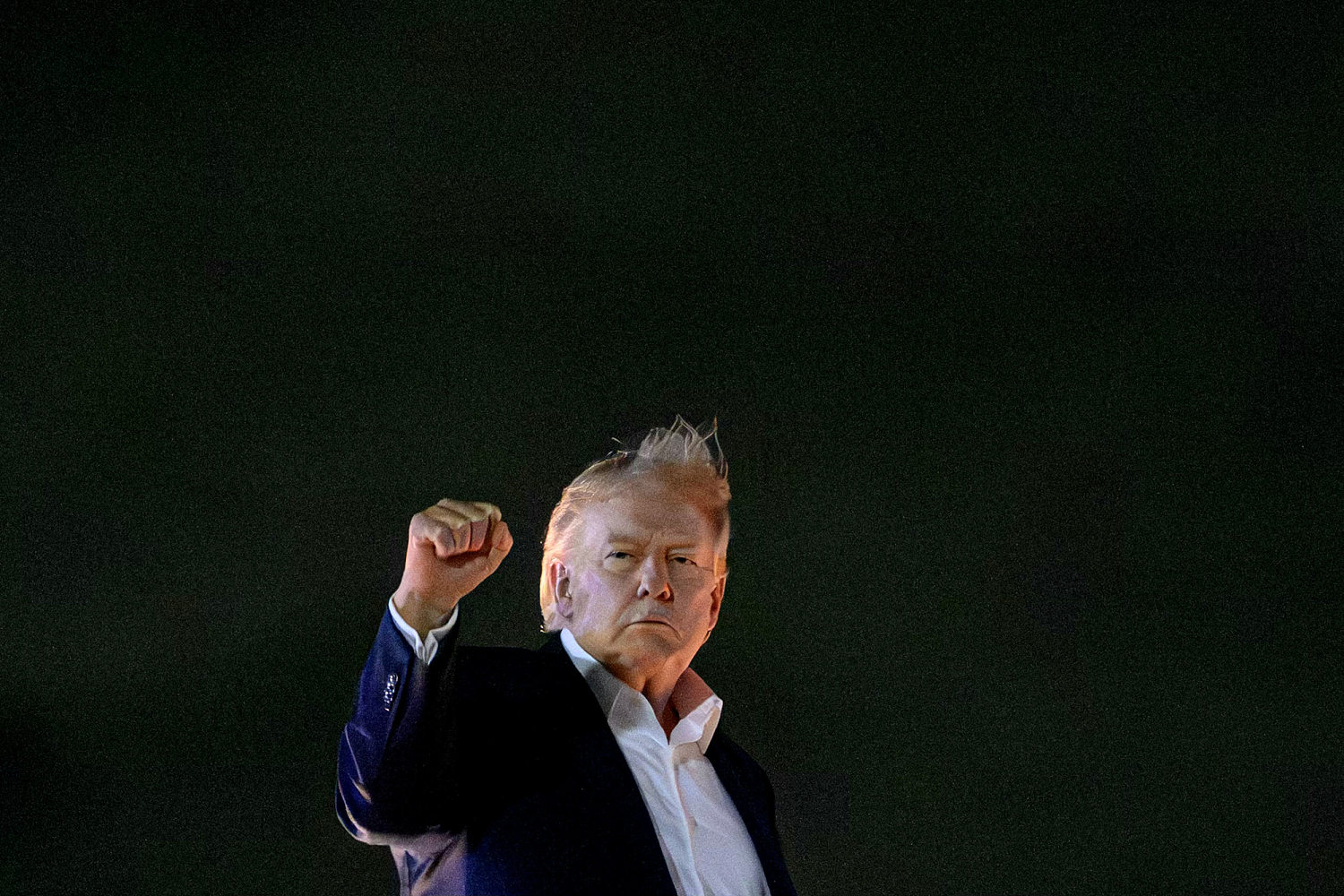
Trump is framing a tentative peace deal with Iran as a victory for the U.S., but fractures in the Republican Party suggest that could be a hard sell.
NBC News — 17 June 2026
Text:
23
0
0
Trump is framing a tentative peace deal with Iran as a victory for the U.S., but fractures in the Republican Party suggest that could be a hard sell.
Read Full Story at NBC News →
⚡ Quickyla Analysis
Original editorial context — not sourced from the article above
The tentative Iran deal emerging under the Trump administration signals a potential shift in U.S. foreign policy, but the fractured Republican response reveals deeper tensions within the party about America’s global role. For decades, the GOP has championed a hardline stance on Iran, framing the Islamic Republic as an existential threat to be contained—not engaged with. Yet the prospect of a deal, even a limited one, challenges that orthodoxy, forcing lawmakers to confront a fundamental question: Is confrontation the only path to security, or does pragmatic diplomacy serve U.S. interests better?
This moment isn’t just about Iran. It underscores a broader debate within the Republican Party about the legacy of Trump’s foreign policy. His administration’s "maximum pressure" campaign against Iran, which included sanctions and military posturing, was a cornerstone of his "America First" approach. Yet now, even as Trump touts this deal as a win, skeptics in his own party argue that any concessions to Tehran risk undermining that pressure campaign. The tension reflects a deeper unease: Can Trump—or any Republican leader—reconcile his base’s appetite for confrontation with the realities of geopolitical negotiation?
The uncertainty also highlights how Trump’s unpredictable style fuels uncertainty. By keeping details vague, he forces Republicans to either rally behind a vague victory or risk undermining a sitting president—both unpalatable options. Meanwhile, the deal’s specifics remain unclear, leaving lawmakers in the dark about its scope, enforcement mechanisms, and potential trade-offs.
The broader trend here is the erosion of bipartisan consensus on foreign policy. Where once Republicans and Democrats could unite around shared red lines, today even intraparty debates are fraught with division. If this deal moves forward, it could either realign Republican priorities or deepen the party’s fractures, depending on how it’s sold—and whether the base buys it. The coming weeks will test whether Trump’s brand of transactional diplomacy can outmaneuver the GOP’s ideological rigidity.
Sources

🌍 World News
Man fleeing police attacked by alligator before continuing his getaway, Louisiana authorities say
🌍 World News
US crude exports hit record high in May as Iran war tightens global oil supplies

🌍 World News
Agitators outside Delaney Hall set up organized logistics operation before Newark protests began

🌍 World News
French doctors sound alarm over drinking water pollution

🌍 World News
Iran, Kuwait, Bahrain hit: Is the war in the Gulf escalating again?

🌍 World News
Four people trapped in flooded cave in Laos pulled to safety

