💻 Technology
Live
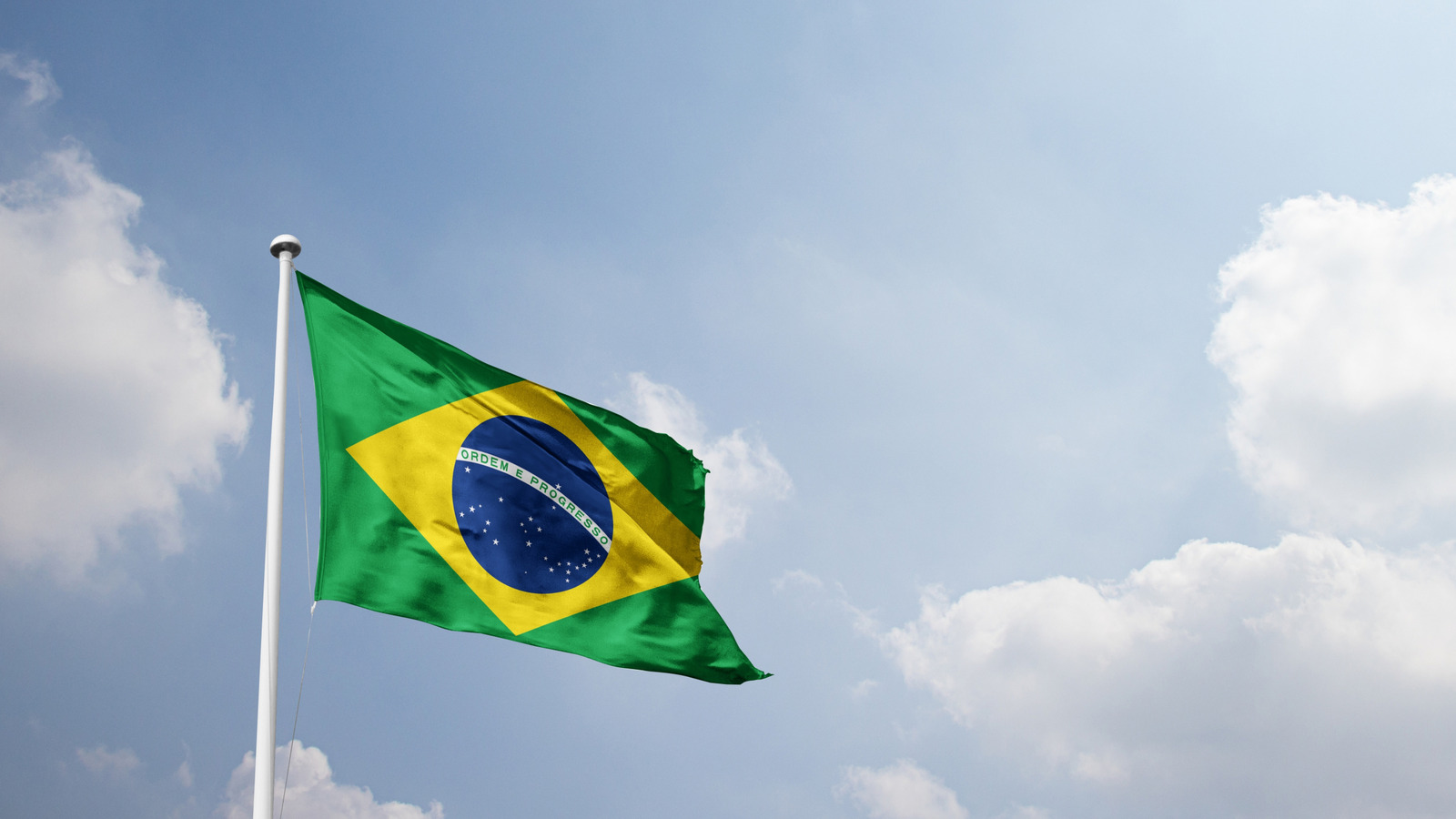
Apple opens up third-party app stores in Brazil
The Core Technology Fee will be 5 percent outside the App Store. Apple is beginning to allow alternative app stores for iOS customers in Brazil. We learned in December that the company had reached an
Engadget — 18 June 2026
Text:
19
0
0
The Core Technology Fee will be 5 percent outside the App Store. Apple is beginning to allow alternative app stores for iOS customers in Brazil. We l
Read Full Story at Engadget →
⚡ Quickyla Analysis
Original editorial context — not sourced from the article above
Apple’s decision to permit third-party app stores in Brazil marks a quiet but significant shift in its long-standing App Store model, one that could reshape the global regulatory landscape for digital marketplaces. While the move is framed as compliance with Brazil’s new Digital Markets Law—a statute designed to curb the dominance of major tech platforms—it underscores a broader reckoning with antitrust pressures worldwide. For years, Apple’s closed ecosystem has been a cornerstone of its profitability, ensuring strict control over app distribution, revenue splits, and security. By introducing a 5 percent Core Technology Fee for transactions outside its own store, the company appears to be balancing regulatory demands with efforts to maintain financial leverage, a tactic likely to be scrutinized in jurisdictions from the EU to India.
The broader significance lies in what this signals for digital market competition. Brazil’s law, enacted in 2024, follows similar measures in the EU, South Korea, and Japan, all targeting the gatekeeper power of app store operators. Apple’s concession suggests that even the most entrenched tech giants are being forced to adapt, though the company’s fee structure—waived for the first million dollars in annual sales—hints at a strategic compromise rather than full capitulation. For developers, the change could lower barriers to entry, fostering innovation in a market where Apple’s App Store has historically taken up to 30 percent of sales. Yet concerns persist about fragmentation, security risks, and whether the fee structure will effectively deter smaller developers from venturing outside Apple’s walled garden.
What remains unclear is whether this concession in Brazil will accelerate similar shifts elsewhere. The EU’s Digital Markets Act, already in force, demands comparable interoperability, and Apple’s response there may set a precedent. Meanwhile, questions linger about enforcement: will Brazil’s government monitor the fees closely, or will Apple’s self-reported compliance systems suffice? For consumers, the immediate impact may be minimal, given the dominance of the App Store, but over time, alternative stores could introduce new payment models, pricing tiers, or niche applications that challenge Apple’s curated vision.
Ultimately, this development is less about Brazil itself and more about the global erosion of unchecked platform power. If successful, it could embolden other regions to challenge Apple’s ecosystem—while also testing the limits of how much control the company is willing to cede without a fight.
Sources

💻 Technology
You can now beat ChatGPT Codex rate limits, if you have friends

💻 Technology
Meta is reportedly developing an AI pendant

💻 Technology
Cash App made a magic wand for contactless payments

💻 Technology
Coders are refusing to work without AI — and that could come back to bite them

💻 Technology
Hackers hijacked Instagram accounts by tricking Meta AI support chatbot into granting access

💻 Technology
Asus gives the ROX Xbox Ally the OLED screen it deserves

