Apple raises MacBook prices by $200, cites memory costs
Apple raised MacBook Air and MacBook Pro prices by $150–$200 due to surging memory costs, marking a shift in stable pricing. Competitors may follow, risking slower demand or market share loss.
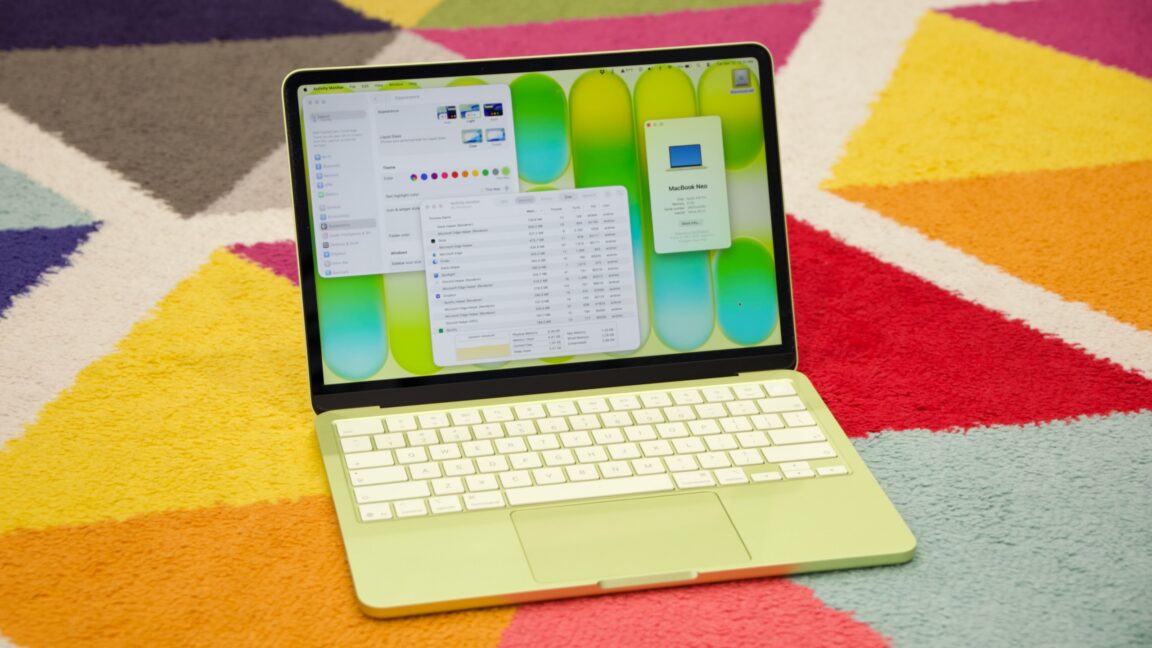
Apple just raised prices on some Macs by hundreds of dollars, blaming higher memory costs. The hikes hit the base models of the MacBook Air M3 and the
Read Full Story at Ars Technica →Why This Matters
Apple’s latest price hike signals a potential end to the era of predictable tech upgrades, where incremental improvements justified steady pricing. For consumers, it raises the specter of broader inflation in hardware, forcing a reckoning over whether premium devices remain accessible. Meanwhile, the move tests brand loyalty in a market that has long prioritized stability over cost—especially when alternatives like Windows-based systems offer comparable performance at lower prices.
Background Context
Apple had maintained flat pricing on its MacBook lineup for years, a strategy that reinforced its premium positioning while shielding buyers from fluctuations in component costs. Memory chips, once a commodity with stable supply chains, have become a volatile expense due to geopolitical tensions, pandemic disruptions, and surging demand for AI-driven data processing. The company’s shift mirrors earlier moves by Samsung and other manufacturers, which passed on rising panel and processor costs to customers.
What Happens Next
Competitors like Dell, HP, and Lenovo may use Apple’s price increase as cover to adjust their own margins, but risk eroding their cost advantages if they follow suit too aggressively. Analysts will be watching whether this prompts a slowdown in refresh cycles among business buyers, who may delay upgrades or explore refurbished alternatives. The long-term gamble for Apple is whether its customer base—historically willing to pay a premium—will tolerate the new pricing without shifting to challengers like Framework or even Windows-based ultrabooks.
Bigger Picture
This price adjustment reflects a broader squeeze on hardware profitability as supply chains globalize and inflationary pressures persist in tech manufacturing. It also underscores Apple’s pivot toward monetizing ecosystem lock-in rather than relying solely on hardware margins, a model that could reshape how consumers evaluate the total cost of ownership. If sustained, the trend may accelerate the consolidation of the PC market, favoring deep-pocketed incumbents while marginalizing smaller players.