💻 Technology
Live
Apple showcases its new developer AI tools in impressive 90-minute presentation
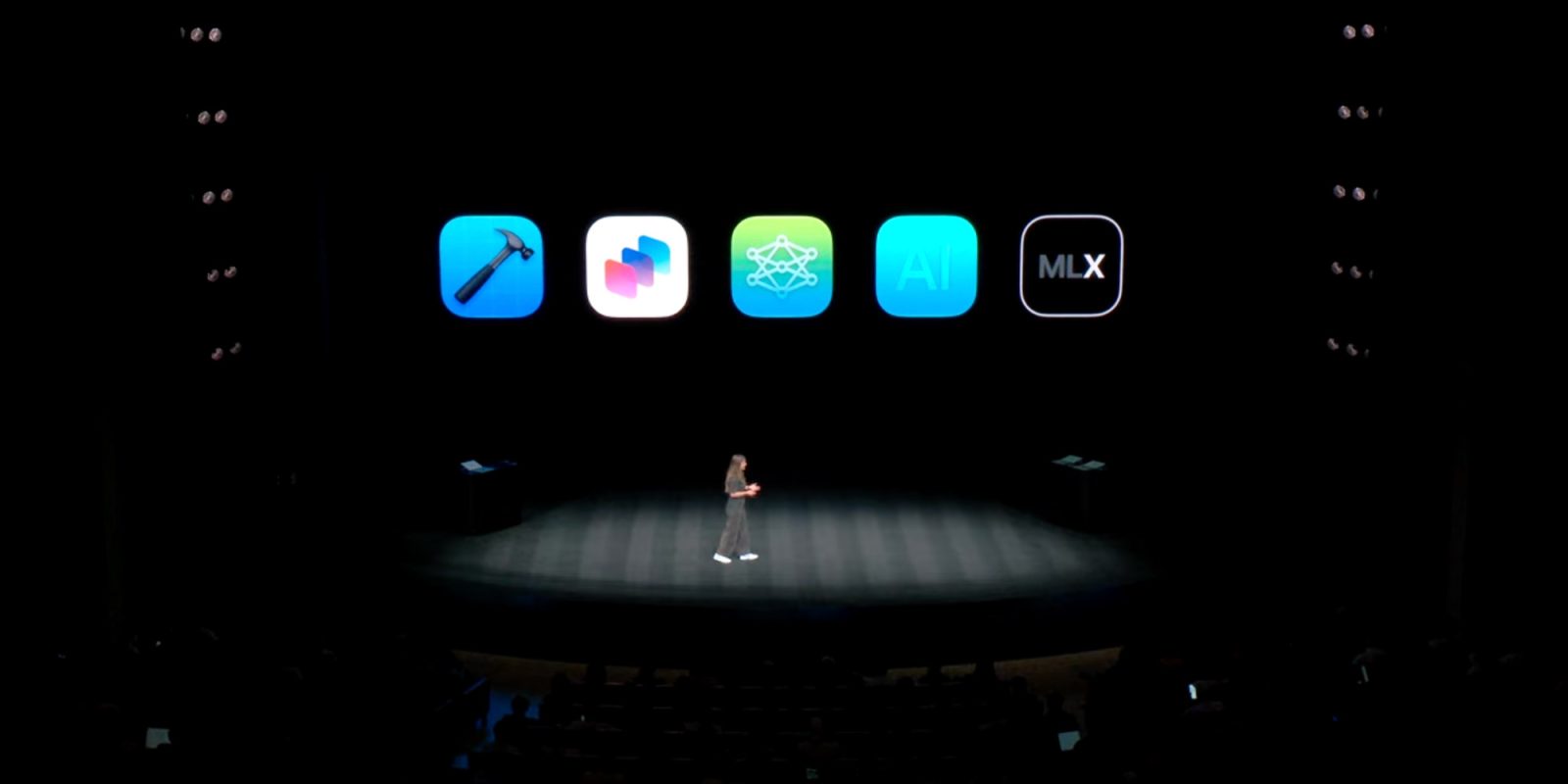
Apple today shared a 90-minute WWDC26 presentation recorded live at a packed Steve Jobs Theater, featuring impressive demos of its latest AI tools for developers and an entire app built from just a f…
9to5Mac — 17 June 2026
Text:
19
0
0
Apple today shared a 90-minute WWDC26 presentation recorded live at a packed Steve Jobs Theater, featuring impressive demos of its latest AI tools for
Read Full Story at 9to5Mac →
⚡ Quickyla Analysis
Original editorial context — not sourced from the article above
Apple’s latest developer-focused showcase at WWDC26 signals a strategic pivot toward integrating artificial intelligence into its ecosystem at a deeper architectural level—not as a bolt-on feature, but as a fundamental layer for building apps. The 90-minute presentation, staged at the Steve Jobs Theater with the kind of production polish Apple is known for, wasn’t just a product demo; it was a statement about where the company sees its future. By unveiling tools that allow developers to construct entire applications with minimal input, Apple is positioning itself not only as a platform provider but as the architect of a new generation of software creation. This matters because it shifts the balance of power in AI-assisted development, potentially redefining who can build and what they can build, from solo entrepreneurs to large enterprises.
What viewers may not immediately grasp is the quiet revolution happening beneath the surface. Apple isn’t just releasing AI models—it’s integrating them into Xcode, its development environment, in ways that prioritize privacy, on-device processing, and seamless integration with existing Apple frameworks like SwiftUI and Core ML. Unlike competitors that rely heavily on cloud-based AI, Apple’s approach emphasizes local execution, a key differentiator for users concerned about data security and latency. This builds on a long-standing philosophy at Apple: control the entire stack, from silicon to software, to deliver a cohesive experience.
The open question now is whether developers will embrace these tools at scale. While the demos were polished, real-world adoption hinges on performance, flexibility, and developer incentives. Will third-party developers trust Apple’s AI enough to build core functionality around it? And how will this affect smaller indie developers versus large tech teams?
This announcement also reflects a broader trend: the democratization of software development. As AI tools become more sophisticated, the barrier to entry for app creation is dropping. Apple’s move suggests it wants to be the platform of choice in this new era—not just for consumers, but for creators. The stakes are high. If successful, Apple could redefine what it means to build software, while reinforcing its role as the bridge between human intent and technological possibility. The real test begins not in the theater, but in the Xcode projects of developers worldwide.
Sources

💻 Technology
You can now beat ChatGPT Codex rate limits, if you have friends

💻 Technology
Meta is reportedly developing an AI pendant

💻 Technology
Cash App made a magic wand for contactless payments

💻 Technology
Coders are refusing to work without AI — and that could come back to bite them

💻 Technology
Hackers hijacked Instagram accounts by tricking Meta AI support chatbot into granting access

💻 Technology
Asus gives the ROX Xbox Ally the OLED screen it deserves

