Apple supplier Tata avoids regulatory action after pollution warning in India
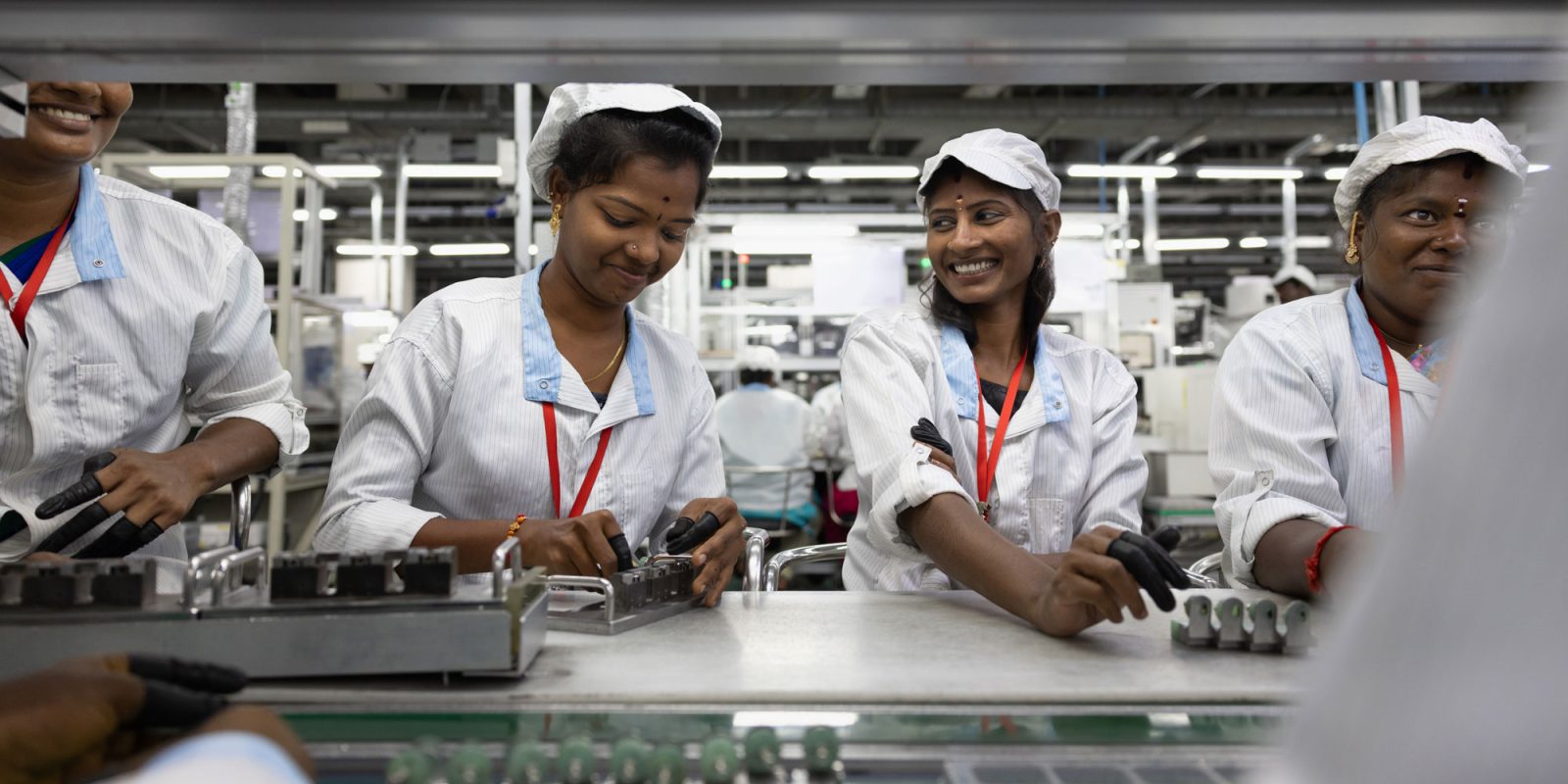
Apple supplier Tata says an Indian pollution regulator has dropped scrutiny of one of its iPhone component plants, after the company responded to concerns over possible wastewater contamination. Here…
9to5Mac — 16 June 2026
Text:
29
0
0
Apple supplier Tata says an Indian pollution regulator has dropped scrutiny of one of its iPhone component plants, after the company responded to conc
Read Full Story at 9to5Mac →
⚡ Quickyla Analysis
Original editorial context — not sourced from the article above
The decision by India’s pollution regulator to drop scrutiny of a Tata Electronics plant supplying components for iPhones reflects both the growing pressure on global tech giants to enforce environmental standards across their supply chains and the complex realities of enforcement in a country where industrial growth often outpaces regulation. Apple’s reliance on Indian manufacturers for components—part of its broader strategy to diversify beyond China—has brought renewed scrutiny to how these suppliers manage environmental risks. The case underscores a tension inherent in such supply chain decisions: rapid industrialization, particularly in emerging manufacturing hubs, can outpace the capacity of local regulators to monitor compliance, creating gaps that companies may exploit or, in some cases, genuinely struggle to navigate.
This incident also highlights India’s evolving but still inconsistent approach to environmental oversight. While regulators have in recent years taken a harder line on industrial pollution—issuing notices to companies like Tata and even threatening plant closures—the enforcement remains uneven. Local governments, eager to attract investment, sometimes prioritize economic growth over strict compliance, leading to situations where warnings are issued but enforcement is delayed or softened. For multinational corporations like Apple, this creates a dilemma: maintaining a reputation for sustainability while relying on suppliers operating in regulatory environments where enforcement is unpredictable.
Looking ahead, the broader question is whether this resolution signals a lasting shift toward stricter environmental accountability in India’s tech supply chains or merely a temporary reprieve. Tata’s swift response suggests that companies are becoming more responsive to regulatory pressure, but it also raises questions about the long-term sustainability of such concessions. Will Indian regulators continue to balance economic priorities with environmental enforcement, or will international scrutiny force a more consistent approach? For Apple, the episode serves as a reminder that its commitment to reducing its environmental footprint must extend beyond its own operations to the often-opaque networks of its suppliers—a challenge that will only grow as its manufacturing footprint diversifies.
Sources

💻 Technology
You can now beat ChatGPT Codex rate limits, if you have friends

💻 Technology
Meta is reportedly developing an AI pendant

💻 Technology
Cash App made a magic wand for contactless payments

💻 Technology
Coders are refusing to work without AI — and that could come back to bite them

💻 Technology
Hackers hijacked Instagram accounts by tricking Meta AI support chatbot into granting access

💻 Technology
Asus gives the ROX Xbox Ally the OLED screen it deserves

