Apple to launch foldable iPad and iPad Pro with M-series chip
Apple plans to release a foldable iPad with a 7.9-inch to 14.1-inch screen and a high-end iPad Pro with an M-series chip. These updates could make iPads more competitive as laptop replacements and boo
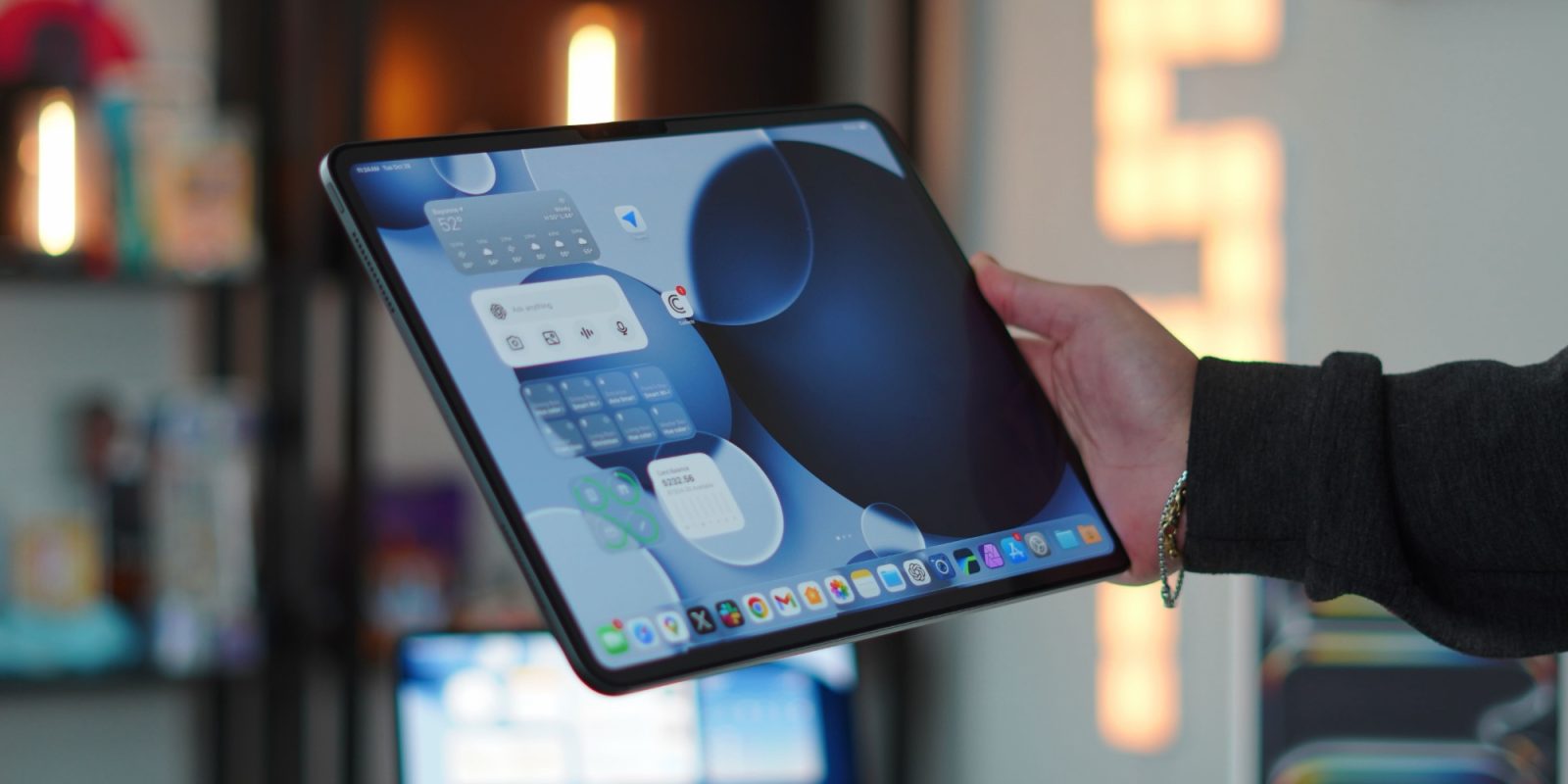
Apple plans to launch two new products this year that could redefine the iPad’s role in tech. Reports from 9to5Mac suggest the company is working on a
Read Full Story at 9to5Mac →Why This Matters
Apple’s move toward a foldable iPad and a next-generation iPad Pro signals a pivotal shift in how the company positions its tablets—not just as productivity tools, but as versatile devices that could challenge the dominance of laptops in professional workflows. For consumers, this could redefine the value proposition of iPads, particularly for creatives and business users who have long debated whether a tablet can fully replace a traditional computer.
Background Context
The iPad’s evolution has been constrained by its fixed form factor, leaving it in a limbo between portability and power. While the iPad Pro line has pushed performance boundaries, it has lacked the physical adaptability of hybrid devices like Microsoft’s Surface or Samsung’s Galaxy Z Fold. Meanwhile, foldable displays have emerged as a high-risk, high-reward market, with Apple’s competitors struggling to balance innovation with durability and software optimization.
What Happens Next
If Apple’s foldable iPad proves practical—addressing durability concerns and software scaling—the device could become a category-defining product, forcing competitors to accelerate their own foldable tablet efforts. The high-end iPad Pro with an M-series chip may further blur the line between tablet and laptop, but its success hinges on whether iPadOS can mature to handle the demands of professional workloads without compromising on ease of use.
Bigger Picture
This strategy aligns with Apple’s broader push to make its ecosystem indispensable, even as hardware innovation slows. As AI and on-device processing become more integral to workflows, tablets are increasingly positioned as primary devices—not just supplements. The success of these products could reinforce Apple’s narrative that the future of computing is not tethered to traditional laptop designs, but to flexible, all-in-one platforms.