Apple’s new Siri AI is more than just a smarter assistant — it's a new enterprise app layer
Apple’s new Siri AI, unveiled yesterday at Apple's annual Worldwide Developers Conference (WWDC 2026), may look like a consumer product story on the surface. But for enterprise developers and IT lead…
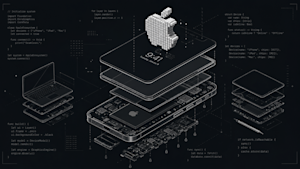
Apple’s new Siri AI, unveiled yesterday at Apple's annual Worldwide Developers Conference (WWDC 2026), may look like a consumer product story on the s
Read Full Story at VentureBeat →Why This Matters
Apple's revamped Siri AI represents a strategic pivot from personal assistant to enterprise infrastructure, signaling a long-term bet on AI-driven workflow automation. By embedding Siri as a cross-platform development layer, Apple is positioning itself to compete directly with Microsoft's Copilot and Google's AI suite—not just in consumer markets, but in the lucrative B2B software ecosystem.
Background Context
The shift mirrors Apple's earlier expansions into services like Apple Pay and Apple Music, where consumer-facing tools became Trojan horses for enterprise adoption. However, unlike those initiatives, Siri's AI capabilities introduce regulatory scrutiny around data privacy—a critical factor in corporate IT decisions where GDPR and HIPAA compliance are non-negotiable.
What Happens Next
Expect enterprise software vendors to race for Siri integration within months, while CIOs will demand granular control over AI data flows. Regulators may scrutinize whether Apple's closed ecosystem violates open competition standards, potentially triggering antitrust probes in the EU and U.S.
Bigger Picture
This underscores the consolidation of AI as the next major platform layer, following the mobile and cloud revolutions. As enterprises prioritize unified AI interfaces for disparate tools, Apple's move could redefine software architecture—placing voice and contextual intelligence at the center of digital workflows.



