Armenia braces for election as Russia piles pressure on pro-West government
Armenia votes on 7 June under mounting Russian economic pressure, as Prime Minister Nikol Pashinyan seeks re-election on a promise of European integration. The election has drawn significant interna…
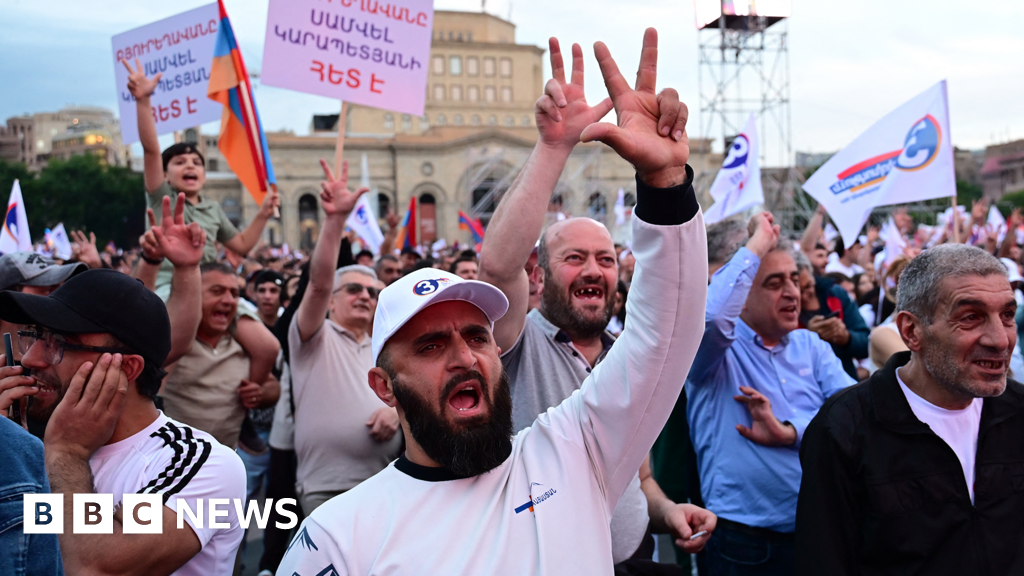
Armenia votes on 7 June under mounting Russian economic pressure, as Prime Minister Nikol Pashinyan seeks re-election on a promise of European integra
Read Full Story at BBC World News →Why This Matters
The Armenian election represents a pivotal moment in the Caucasus, where a small nation's strategic pivot toward Europe is being tested against Moscow's tightening economic and political grip. This vote could redefine Armenia's geopolitical alignment for decades, influencing regional security dynamics and the broader competition between Western and Russian spheres of influence in the post-Soviet space.
Background Context
Armenia's ties with Russia date back to the Soviet era, but relations have frayed under Prime Minister Nikol Pashinyan, who has pursued closer ties with the EU and NATO amid rising public frustration over Russian inaction during the 2020 Nagorno-Karabakh war. Moscow has responded with punitive measures, including trade restrictions and energy price hikes, testing Armenia's ability to balance sovereignty with economic survival in a region dominated by Russian military presence.
What Happens Next
If Pashinyan wins, Armenia may accelerate its Western integration, potentially triggering further Russian retaliation or even destabilizing moves. Alternatively, a pro-Russian outcome could entrench Moscow's influence, possibly leading to Armenia's withdrawal from EU partnership talks or increased military cooperation with Russia, including potential basing rights. The election's aftermath will hinge on voter turnout in rural areas, where pro-Russian sentiment remains strong, and the West's willingness to counterbalance Russian pressure.
Bigger Picture
This election mirrors broader shifts across the former Soviet Union, where countries like Georgia and Moldova are navigating similar pressures between Moscow and Brussels. The outcome could set a precedent for how smaller nations resist Russian coercion while managing economic dependencies, reshaping the post-Soviet landscape amid great-power competition. A Pashinyan victory would embolden pro-Western movements, while a defeat could signal a rollback of democratic gains in the region.






