Armenia, once Russia's reliable ally, considers an EU future
Citizens of Armenia are not only electing a new National Assembly on Sunday: They are also voting on the future geopolitical direction of the country. On the table is either rapid EU integration or a…
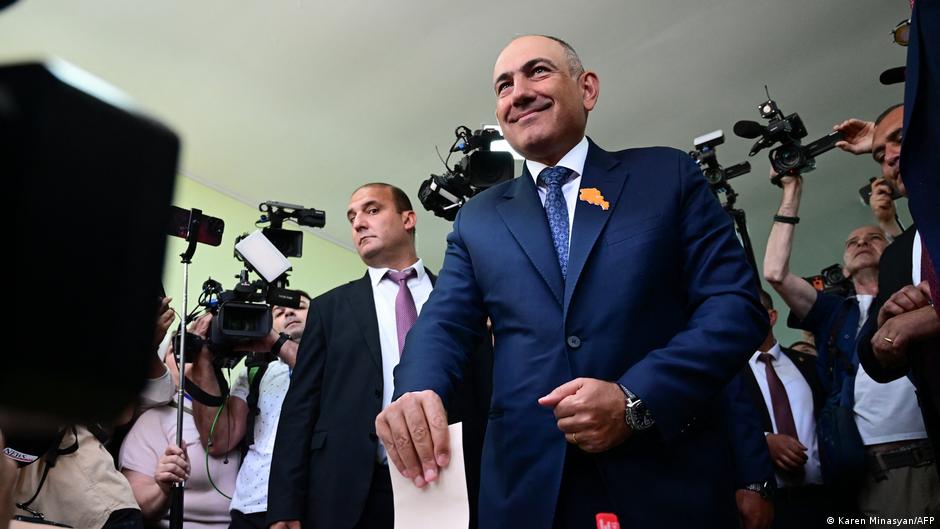
Citizens of Armenia are not only electing a new National Assembly on Sunday: They are also voting on the future geopolitical direction of the country.
Read Full Story at DW World →Why This Matters
Armenia’s electoral shift toward EU alignment signals a potential realignment in the South Caucasus, challenging Russia’s long-standing dominance in the region. The vote reflects broader disillusionment with Moscow’s security guarantees and economic support, forcing policymakers to confront the costs of dependence on a declining power.
Background Context
For decades, Armenia operated as a strategic partner of Russia, relying on military protection and economic subsidies. However, the 2020 Nagorno-Karabakh war exposed vulnerabilities, as Russia’s perceived inaction left Armenia vulnerable to Azerbaijani advances. The subsequent frustration has fueled a nationalist shift toward Western institutions.
What Happens Next
The election outcome will determine whether Armenia accelerates EU integration talks or reverts to a more cautious balancing act with Russia. Observers should watch for signals from Brussels on potential membership incentives and Moscow’s reaction, which could range from diplomatic pressure to economic retaliation.
Bigger Picture
This moment underscores a wider trend of former Russian allies reassessing their geopolitical ties amid the Ukraine war and shifting global power dynamics. Armenia’s trajectory may influence other post-Soviet states weighing loyalty to Moscow against the appeal of Western alignment.






