Armenia's pro-West government wins election despite Russian pressure
Armenian Prime Minister Nikol Pashinyan's party has won a crucial election billed as being key in deciding whether the country continues to move closer to the West. Pashinyan's centrist Civil Contra…
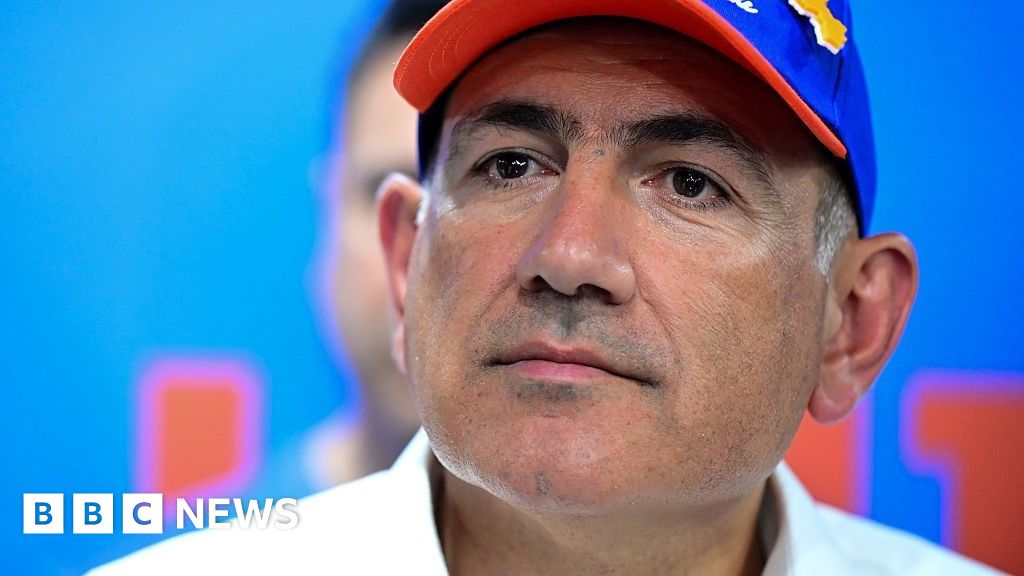
Armenian Prime Minister Nikol Pashinyan's party has won a crucial election billed as being key in deciding whether the country continues to move close
Read Full Story at BBC World News →Why This Matters
The election outcome in Armenia represents a critical inflection point not just for the South Caucasus, but for the broader geopolitical tug-of-war between Russia and the West. A pro-Western government surviving despite intense pressure underscores the fragility of Moscow’s traditional dominance in its former sphere of influence, signaling potential shifts in regional alliances that could reshape energy routes, military alignments, and economic partnerships for years to come.
Background Context
Armenia’s pivot toward the West gained momentum after the 2020 Nagorno-Karabakh war, which exposed vulnerabilities in its traditional reliance on Russia for security guarantees. The subsequent domestic unrest and Pashinyan’s reformist agenda—including calls for accountability over the conflict’s losses—strained relations with Moscow, which has long treated Armenia as a strategic buffer against NATO expansion. Meanwhile, Azerbaijan’s military gains in Nagorno-Karabakh and its growing ties with Turkey have further complicated Armenia’s geopolitical calculus.
What Happens Next
Expect Pashinyan to accelerate efforts to diversify Armenia’s security partnerships, possibly deepening cooperation with the European Union and seeking formal ties with NATO structures—steps that could provoke retaliatory measures from Russia, such as trade restrictions or delayed military support. Domestically, the election result may embolden reformist factions but also risks exacerbating tensions with opposition groups aligned with Russia, raising questions about long-term stability. Observers should watch for signs of Russian retaliation, such as energy supply disruptions or the expulsion of Armenian migrant workers.
Bigger Picture
This election fits a broader pattern of post-Soviet states reassessing their allegiances amid Russia’s declining regional influence and the rise of alternative power centers in the EU, Turkey, and China. Armenia’s trajectory mirrors Ukraine’s pre-2022 flirtation with the West, though with fewer immediate risks of direct conflict—yet the underlying dynamic of balancing sovereignty against historical dependencies remains a defining challenge for the region. The outcome could also influence how other countries in the Caucasus and Central Asia navigate the growing competition between Western democratic models and authoritarian alternatives.







