Around 1 in 5 young people use AI chatbots for mental health advice, survey finds
Nearly 1 in 5 adolescents and young adults are turning to AI chatbots for advice when they’re sad, angry, nervous or stressed, according to a new study.
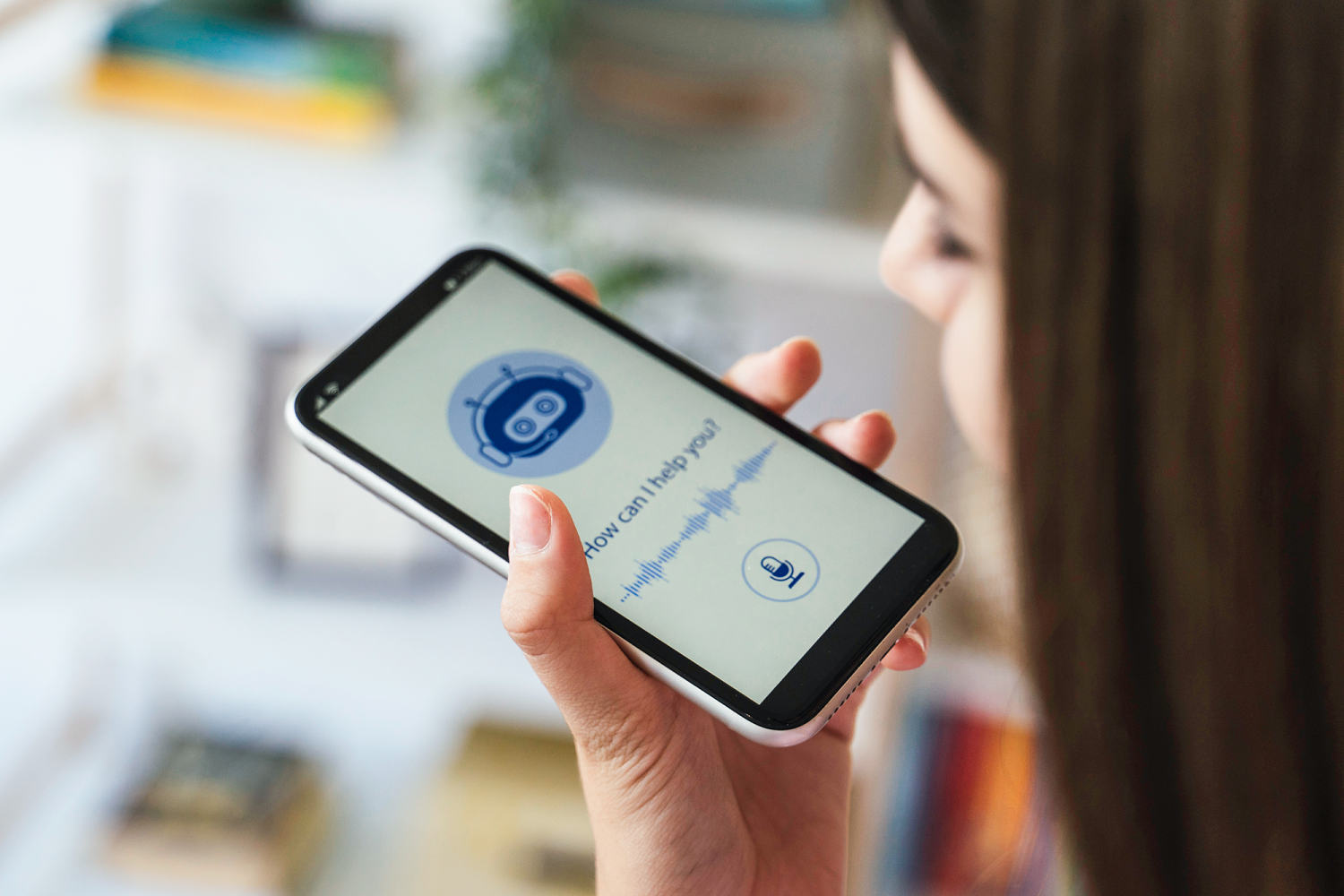
Nearly 1 in 5 adolescents and young adults are turning to AI chatbots for advice when they’re sad, angry, nervous or stressed, according to a new stud
Read Full Story at NBC News →Why This Matters
The rise of AI-driven mental health support signals a cultural shift in how younger generations seek care, blending accessibility with ethical ambiguity. While traditional therapy remains irreplaceable for many, the data suggests a growing reliance on algorithmic companionship—a trend that could redefine the boundaries of emotional support. The question isn’t just whether these tools work, but what long-term consequences emerge when young minds turn to machines before humans.
Background Context
Mental health crises among adolescents have climbed steadily over the past decade, outpacing available professional resources in many regions. Prior to AI chatbots, young people often turned to peer networks or online forums, but the anonymity and scalability of AI now offer a frictionless alternative. Meanwhile, tech companies have seized on this gap with little oversight, marketing solutions that promise relief without the structural reforms needed to address root causes.
What Happens Next
Regulators may soon face pressure to classify AI mental health tools as medical devices, forcing clearer safety standards and liability frameworks. Researchers will likely scrutinize whether chatbots inadvertently normalize avoidance behaviors or, conversely, act as a bridge to formal care. The biggest wild card remains public trust—how will young users react when they discover these tools lack the depth of human empathy?
Bigger Picture
This phenomenon reflects a broader digitization of care, where convenience often trumps nuance. As AI integrates deeper into daily life, the line between tool and therapist blurs, raising existential questions about authenticity in an age of synthetic companionship. The trend also mirrors older patterns of self-medication, but with a Silicon Valley twist—tech giants now profit from emotional labor once reserved for communities and professionals.







