Artemis III Crew Announced
NASA astronaut Andre Douglas, ESA (European Space Agency) astronaut Luca Parmitano, and NASA astronauts Randy Bresnik and Frank Rubio take a photo together on June 9, 2026. The four were announced as…
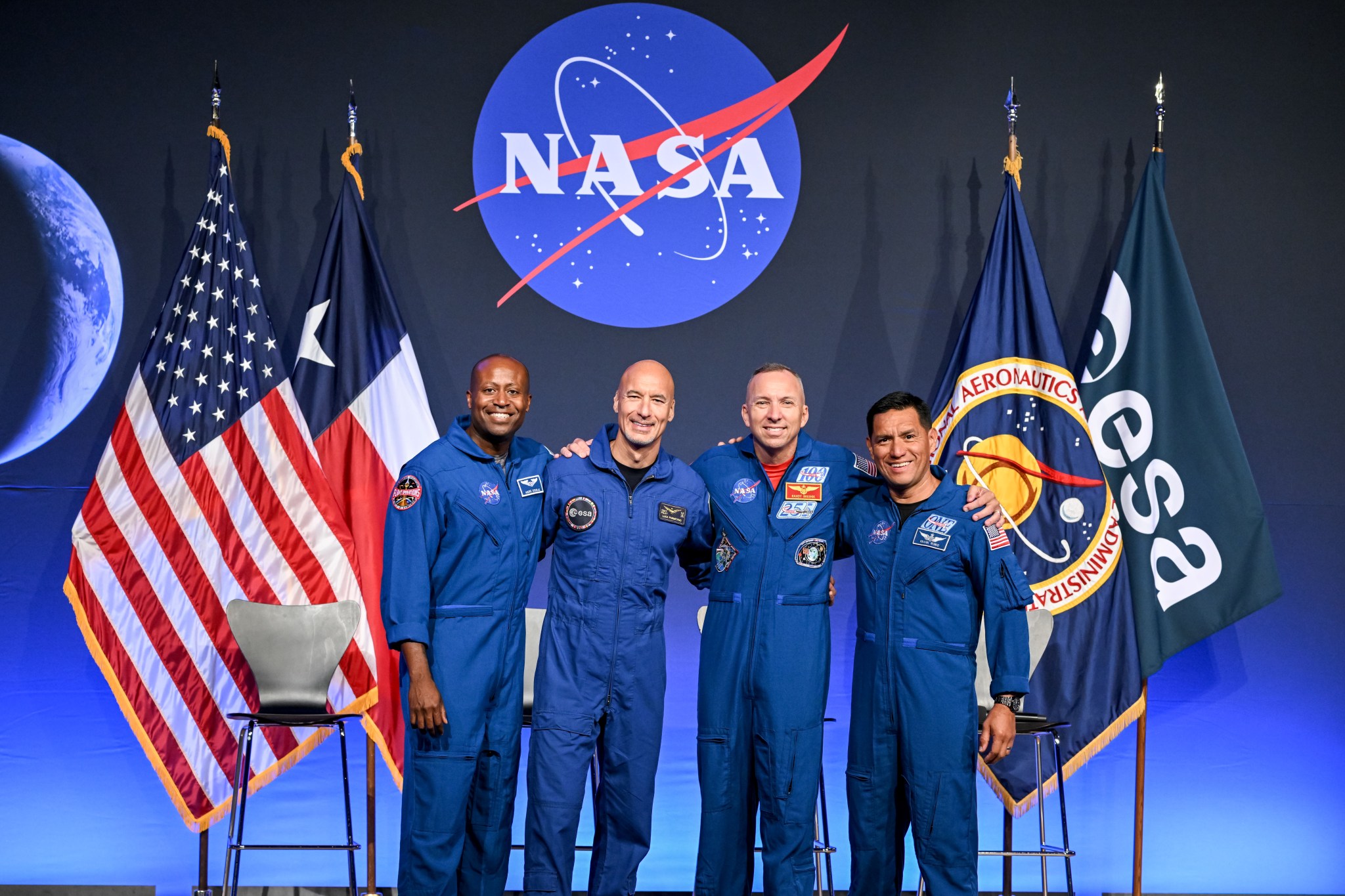
NASA astronaut Andre Douglas, ESA (European Space Agency) astronaut Luca Parmitano, and NASA astronauts Randy Bresnik and Frank Rubio take a photo tog
Read Full Story at NASA →Why This Matters
This crew announcement signals a pivotal shift in lunar exploration, blending NASA’s Artemis mission with renewed international collaboration. The inclusion of a European astronaut underscores Europe’s growing role in deep-space endeavors, while the diverse backgrounds of the crew—spanning engineering, piloting, and long-duration spaceflight—reflect a strategic emphasis on multidisciplinary expertise for the Moon’s south pole landing.
Background Context
The Artemis program represents a generational leap beyond Apollo, targeting the lunar south pole where water ice may support sustainable habitats. European involvement has expanded through ESA’s contributions like the ESPRIT lunar comms module and Orion service unit, cementing a partnership that reduces financial strain on NASA. Meanwhile, Rubio’s prior six-month ISS mission provides critical experience for Artemis III’s planned 30-day surface stay.
What Happens Next
Training will intensify over the next 18 months, focusing on lunar surface operations and the Starship HLS lander’s untested systems. Political scrutiny will likely grow over cost overruns, especially as the 2026 launch window remains ambitious with hardware still in development. Observers will watch for updates on potential delays or adjustments to the crew roster amid competing priorities like ISS decommissioning and Mars mission preparations.
Bigger Picture
This mission aligns with a broader trend of space agencies prioritizing polar lunar sites for their scientific and resource value, mirroring Earth’s geopolitical focus on Arctic and Antarctic regions. The Artemis III crew’s composition also reflects a deliberate move toward integrating commercial and international partners into flagship programs, a model likely to shape future deep-space ventures like Mars landings.







