💻 Technology
Live
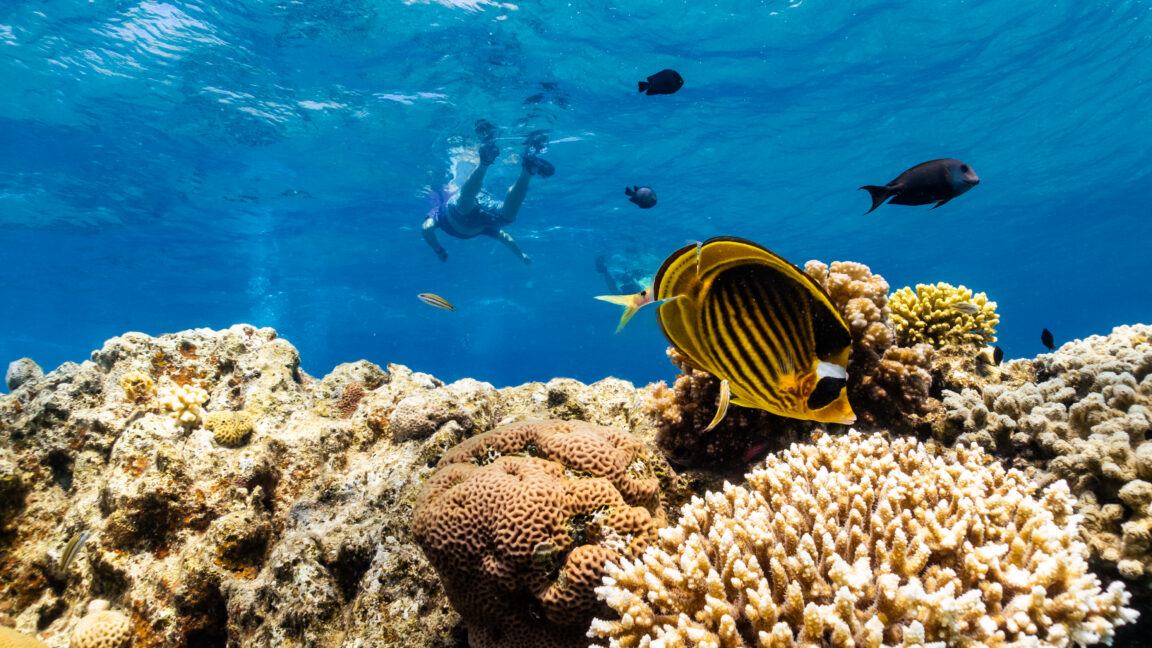
As global warming threatens corals, scientists search for reefs that can take the heat
Researchers say these coral strongholds may help repopulate more degraded reefs.
Ars Technica — 19 June 2026
Text:
8
0
0
Researchers say these coral strongholds may help repopulate more degraded reefs. This report comes from Ars Technica. The story centres on As global
Read Full Story at Ars Technica →
⚡ Quickyla Analysis
Original editorial context — not sourced from the article above
The search for heat-resistant coral reefs is more than a scientific curiosity—it’s a potential lifeline for marine ecosystems on the brink of collapse. As global ocean temperatures rise, coral bleaching events have become more frequent and severe, pushing many reefs past their survival thresholds. Yet amid this devastation, researchers are pinpointing pockets of coral that have adapted to warmer conditions, offering a glimmer of hope for restoration efforts. These "refugia" reefs, often found in areas with naturally elevated temperatures or unique environmental conditions, could serve as genetic reservoirs, supplying resilient larvae to restore degraded reefs elsewhere. Their existence underscores a critical question: Can humanity leverage these natural strongholds before they, too, succumb to the relentless pace of climate change?
The significance of this work extends beyond coral biology. Reefs are the ocean’s nurseries, supporting a quarter of all marine species while protecting coastlines from storms and sustaining fisheries that feed millions. Their decline doesn’t just imperil biodiversity—it threatens food security and economic stability for communities dependent on them. Historically, conservation strategies have focused on reducing local stressors like pollution and overfishing, but these measures alone may no longer suffice. The search for heat-resilient corals represents a shift toward adapting to climate impacts rather than merely mitigating them, a paradigm shift that could redefine conservation in the Anthropocene.
What remains unclear is whether these refugia can withstand the compounding pressures of marine heatwaves, ocean acidification, and disease outbreaks that are intensifying alongside global warming. Even the most resilient corals may have limits, and their larvae may struggle to establish in degraded reefs if environmental conditions continue to deteriorate. Additionally, the logistics of collecting, transporting, and outplanting resilient corals at scale pose formidable challenges, raising questions about the scalability of such interventions.
This story is part of a broader reckoning with the limits of adaptation in the face of accelerating climate change. It forces a confrontation with the uncomfortable reality that some ecosystems may require hands-on intervention to survive—an approach that, while necessary, demands resources and political will that are often in short supply. The race to find and protect these coral strongholds is not just about saving reefs; it’s about testing whether humanity can preemptively engineer resilience in a world already altered by its own actions.
Sources

💻 Technology
You can now beat ChatGPT Codex rate limits, if you have friends

💻 Technology
Meta is reportedly developing an AI pendant

💻 Technology
Cash App made a magic wand for contactless payments

💻 Technology
Coders are refusing to work without AI — and that could come back to bite them

💻 Technology
Hackers hijacked Instagram accounts by tricking Meta AI support chatbot into granting access

💻 Technology
Asus gives the ROX Xbox Ally the OLED screen it deserves

