As Global Warming Threatens Corals Worldwide, Woods Hole Scientists Search for ‘Super Reefs’ That Can Take the Heat
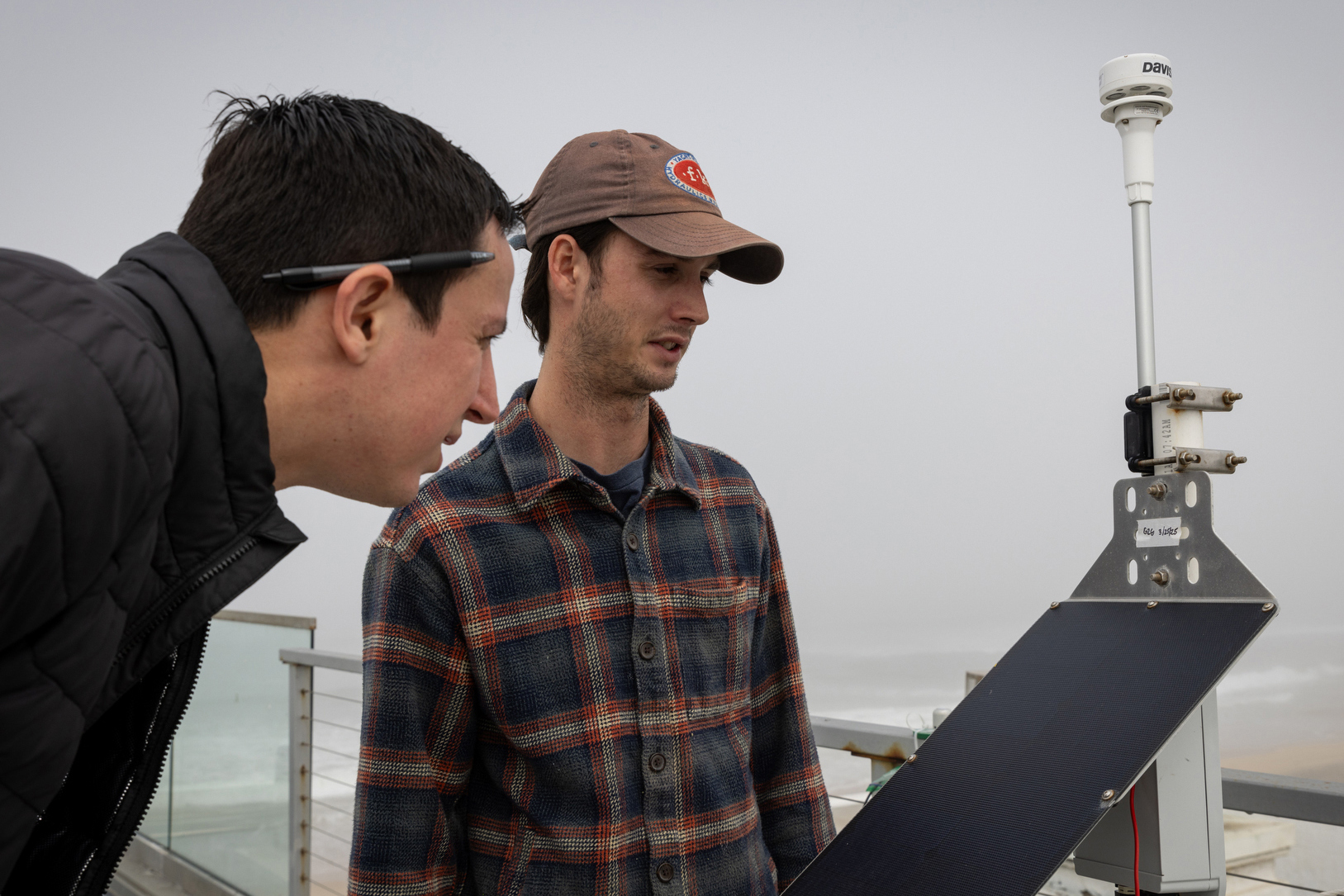
MAJURO, Marshall Islands—Perched on the bow of an aluminum landing craft, Anne Cohen gazed a few yards ahead of the vessel toward a yellow robot gliding across the emerald Majuro lagoon. The unmanned…

MAJURO, Marshall Islands—Perched on the bow of an aluminum landing craft, Anne Cohen gazed a few yards ahead of the vessel toward a yellow robot glidi
Read Full Story at Inside Climate News →Why This Matters
The survival of coral reefs is not just an ecological concern—it’s a global economic and food security issue. Reefs protect shorelines from storms, support fisheries that feed millions, and underpin tourism industries worth billions. Finding "super reefs" that can endure warming oceans could buy critical time for ecosystems and human communities alike, but their discovery also raises ethical questions about whether conservation efforts should prioritize adaptation over mitigation.
Background Context
Coral reefs have existed for millions of years, but their current decline is unprecedented in recorded history, driven by ocean warming, acidification, and pollution. The Marshall Islands, a low-lying atoll nation, epitomizes the existential threat posed by climate change, where rising seas and bleaching events are eroding both ecosystems and national sovereignty. Woods Hole’s research builds on decades of coral science, but the urgency has intensified as even remote reefs show signs of collapse.
What Happens Next
If "super reefs" are identified, conservationists may push for rapid protection measures, such as marine reserves or assisted evolution techniques like selective breeding. However, success is far from guaranteed—reefs may adapt temporarily, only to succumb to future heatwaves. Policymakers will face difficult trade-offs, balancing localized conservation efforts with the need for systemic reductions in greenhouse gas emissions.
Bigger Picture
This research is part of a broader shift in climate adaptation strategies, where scientists are increasingly focusing on identifying and preserving pockets of resilience rather than reversing systemic damage. It also highlights the disproportionate impact of global warming on vulnerable nations, where the stakes of inaction extend far beyond biodiversity loss to national survival.