💰 Business
Live
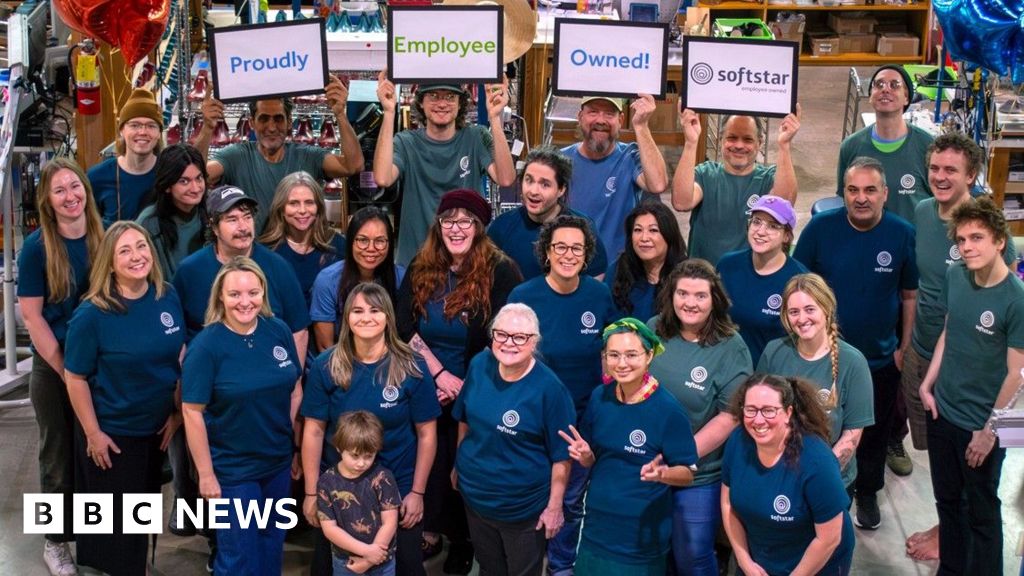
As more US business owners retire many are selling up to their staff
Staff at Softstar Shoes in Oregon have discovered a newfound enthusiasm for eking out resources and growing profits. It started in January when the shoemaker became owned by its 30-strong workforce.…
BBC Business — 14 June 2026
Text:
28
0
0
Staff at Softstar Shoes in Oregon have discovered a newfound enthusiasm for eking out resources and growing profits. It started in January when the s
Read Full Story at BBC Business →
⚡ Quickyla Analysis
Original editorial context — not sourced from the article above
The shift toward employee ownership in the U.S. reflects broader economic and demographic currents, with Softstar Shoes’ transition serving as a microcosm of a growing trend. As baby boomer business owners retire en masse, many are turning to Employee Stock Ownership Plans (ESOPs) or direct sales to their workers rather than closing shop or selling to private equity. This isn’t just a financial transaction—it’s a cultural one, redefining workplace dynamics where employees now have a tangible stake in their company’s success. The Oregon shoemaker’s experience underscores how ownership can reshape incentives: workers, now shareholders, are more vigilant about waste, more invested in efficiency, and more willing to explore growth opportunities. In an era where corporate consolidation and absentee ownership often prioritize short-term profits, employee buyouts offer an alternative model where long-term stability and community alignment take precedence.
Yet challenges loom. Not all businesses are suited for employee ownership, and many workers lack the capital or expertise to navigate complex buyout structures. The Softstar case benefits from a small, cohesive workforce and a niche industry, but replicating this model in larger, more capital-intensive sectors could prove difficult. Regulatory hurdles, valuation disputes, and the psychological shift from "employee" to "owner" can also strain transitions. Meanwhile, the broader trend raises questions about whether this is a sustainable solution to the wave of retiring business owners—especially in industries where scaling or modernization is capital-intensive.
The bigger picture connects to rising debates about economic democracy and the future of work. Employee ownership sits at the intersection of progressive labor policies and conservative ideals of self-reliance, appealing to both those who advocate for wealth redistribution and those wary of government intervention. As more businesses adopt this model, it could pressure policymakers to expand support—through tax incentives, low-interest loans, or technical assistance—making such transitions more accessible. For now, Softstar’s experiment offers a compelling, if limited, glimpse into how economic participation might reshape the American workplace. Whether it becomes a niche success or a bellwether for systemic change will depend on how these models scale—and whether they can outlast their founders’ retirements.
Sources

💰 Business
How 'confused' AI rollout hurts firms and baffles staff
💰 Business
OpenAI let ChatGPT aid and abet mass shooters, Florida lawsuit claims
💰 Business
AI giant Anthropic announces plans to list on US stock market

💰 Business
Caribbean hot sauce producers warn of shortages and higher prices

💰 Business
Bill debt soars but many don't know help is available
💰 Business
Japan raises interest rate to highest since 1995

