🕌 Religion & Faith
Live
As UFOs go mainstream, the jury is out on what the existence of alien life might mean for religion
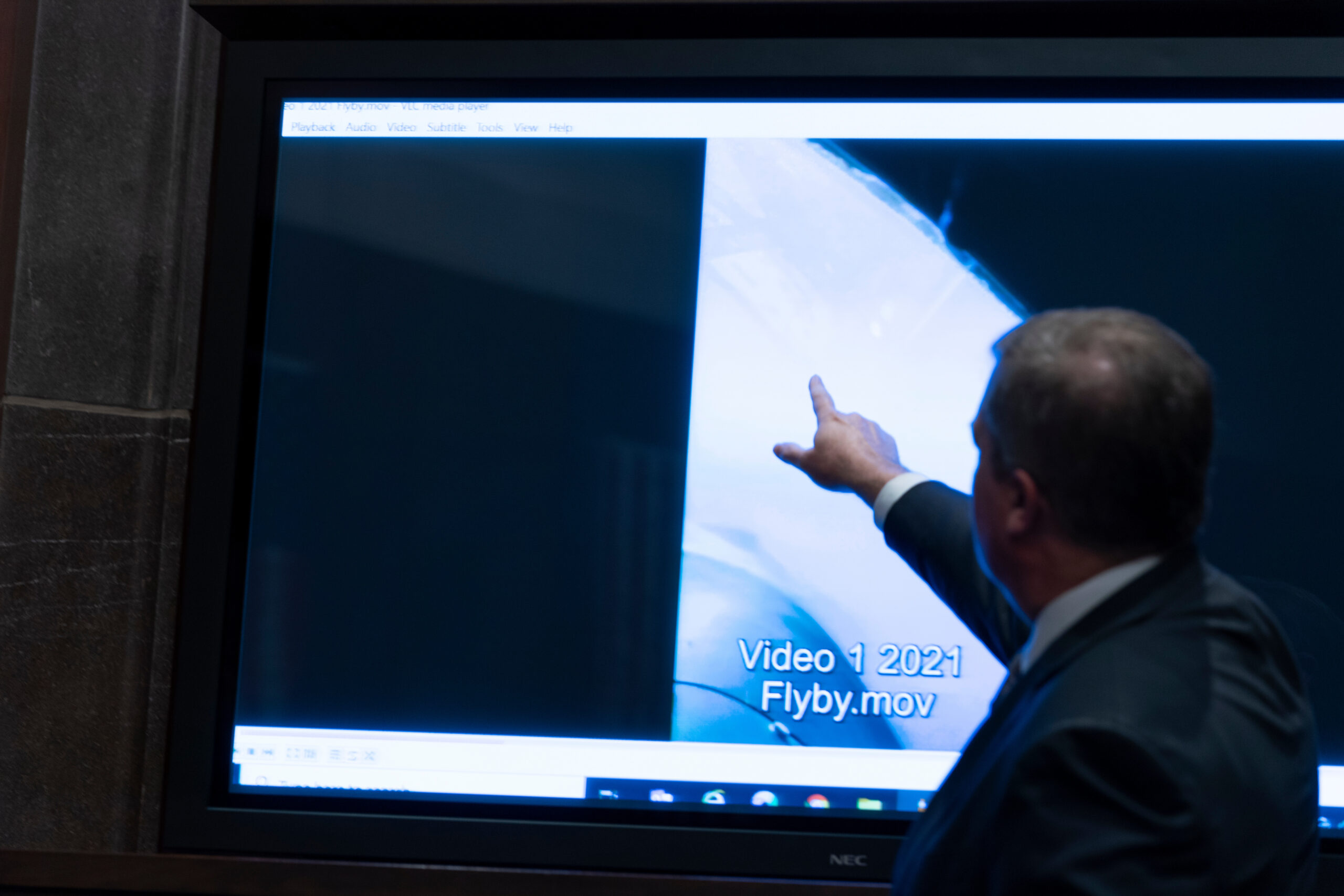
LOS ANGELES (AP) — What was once considered fringe or conspiratorial has in recent months popped up everywhere from the White House to the Catholic Church, as public fascination with unidentified ano…
Religion News Service — 15 June 2026
Text:
39
0
0
LOS ANGELES (AP) — What was once considered fringe or conspiratorial has in recent months popped up everywhere from the White House to the Catholic Ch
Read Full Story at Religion News Service →
⚡ Quickyla Analysis
Original editorial context — not sourced from the article above
The growing mainstream acceptance of UFOs—and the possibility they represent extraterrestrial life—has collided with one of humanity’s oldest institutions: religion. For centuries, theological frameworks have grappled with the idea of intelligent life beyond Earth, but the question has long been treated as speculative at best and heretical at worst. Now, as governments declassify documents, intelligence agencies hold public hearings, and even the Vatican hosts conferences on the subject, the implications are no longer confined to science fiction or the fringes of conspiracy culture. This shift forces not just policymakers and scientists to confront the possibility of alien life, but religious leaders and believers as well. The question is no longer whether UFOs are real, but how faith communities will reconcile their doctrines with the potential existence of intelligent beings elsewhere in the universe.
Historically, organized religion has taken varied stances on extraterrestrial life. Some traditions, like Mormonism, have long embraced the idea of inhabited worlds, while others, such as certain strains of Christianity, have framed the question as irrelevant to salvation. The Catholic Church, with its long history of engaging with scientific discovery, has been relatively open—even appointing an astronomer as its chief Vatican Observatory scientist decades ago. Yet even progressive faiths may struggle with the theological implications of non-human intelligence: If aliens exist, are they fallen creatures in need of redemption? Do they have souls? Could their existence challenge the centrality of human beings in divine creation? These aren’t just abstract debates; they strike at the heart of how billions of people understand their place in the cosmos.
What happens next is uncertain. Religious institutions may adapt, as they have to other paradigm shifts, or they may double down on traditional interpretations, creating tension within their ranks. Meanwhile, the broader cultural embrace of UFOs—fueled by viral social media, entertainment, and even government disclosures—could accelerate demand for answers, putting pressure on theologians and scientists alike to provide frameworks that bridge the gap between faith and evidence. The jury is still out, but one thing is clear: the conversation has only just begun, and its outcome could reshape not just religion, but the very way humanity sees itself.
Sources

🕌 Religion & Faith
Defense Department rejiggers list of recognized religions after backlash, narrows it to 30

🕌 Religion & Faith
Odiong guilty in Texas: Questions remain for several Church leaders
🕌 Religion & Faith
Trump’s latest attack on Leo XIV isn’t really about the pope

🕌 Religion & Faith
Pope Leo XIII updates just war theory

🕌 Religion & Faith
Photos of the Week: Ebola responses, end of Hajj

🕌 Religion & Faith
High hopes, many challenges for Bangladesh’s first Indigenous Catholic MP

