Astronauts take shelter on the International Space Station because of air leaks
Astronauts take shelter on the International Space Station because of air leaks NASA ordered its astronauts to take refuge inside a docked SpaceX Crew Dragon spacecraft and to prepare for potential …
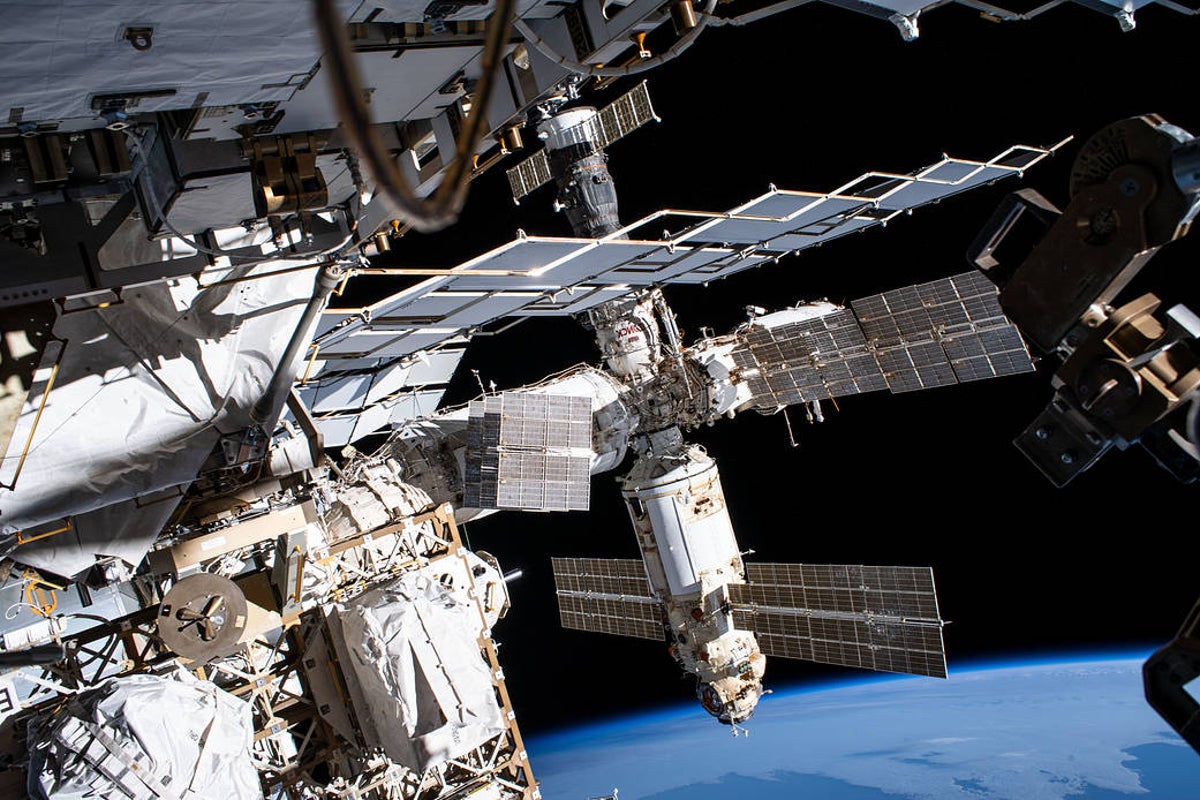
Astronauts take shelter on the International Space Station because of air leaks NASA ordered its astronauts to take refuge inside a docked SpaceX Cre
Read Full Story at Scientific American →Why This Matters
Air leaks aboard the International Space Station (ISS) expose the precarious balance between human endurance in space and the fragility of orbital infrastructure. While the ISS has weathered minor leaks before, this incident underscores the growing pressures on aging space stations and the urgency of transitioning to next-generation habitats. It also highlights the delicate interplay between crew safety and mission continuity in an era where commercial spaceflight is reshaping access to low Earth orbit.
Background Context
This is not the first time astronauts have sheltered in docked spacecraft due to potential threats; similar protocols were enacted during debris threats in 2021 and 2022. However, air leaks differ in that they often stem from structural wear—like microfractures in the station’s aging modules—or from micrometeoroid impacts, which are becoming more frequent as low Earth orbit grows congested. Roscosmos, NASA’s counterpart in this collaboration, has previously cited cracks in the Russian segment’s modules, raising questions about long-term habitability.
What Happens Next
NASA and SpaceX will likely conduct a detailed assessment of the leak’s source, prioritizing whether it’s an isolated event or part of a systemic issue affecting other modules. If the leak is traced to a specific component, a spacewalk or robotic repair mission could follow, testing the limits of astronauts’ extravehicular capabilities. Meanwhile, the incident may accelerate discussions about decommissioning timelines for the ISS, which is currently slated to operate only until 2030.
Bigger Picture
The episode reflects a broader trend: the ISS is entering its third decade of operation at a time when commercial space stations like Axiom Space’s planned modules and Orbital Reef are still years from deployment. As governments and private entities clash over funding and priorities, the reliability of existing infrastructure remains a critical wildcard. It also serves as a reminder that human spaceflight’s margin for error is vanishingly small—and that the stakes grow higher as missions push toward the Moon and Mars.







