💻 Technology
Live
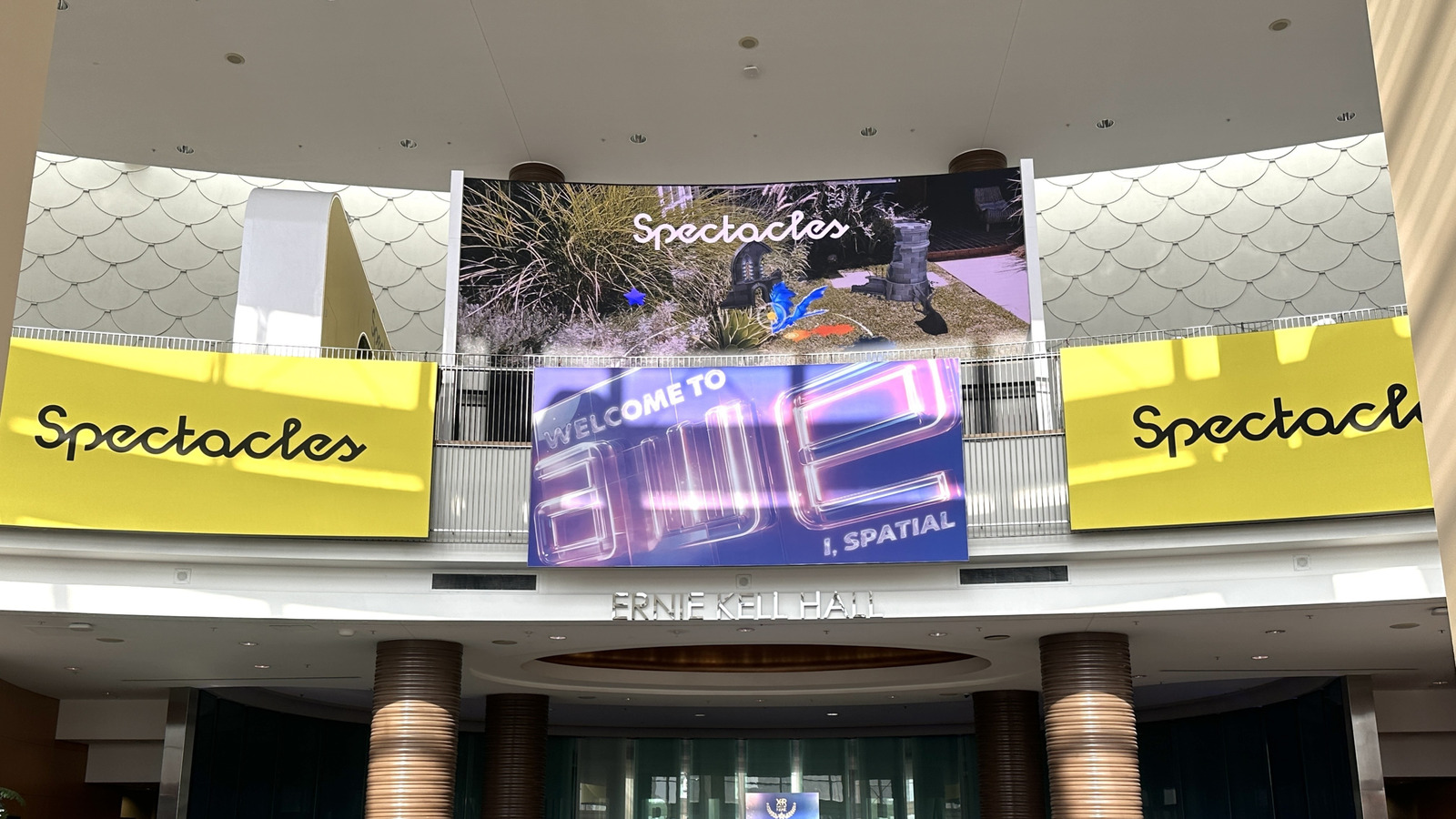
AWE 2026: Live updates from keynotes by Snap CEO Evan Spiegel, Google and Qualcomm at the XR show
We're expecting news on AR glasses, Android XR and probably some AI. We don't typically go all in on covering Augmented World Expo , which the organizers describe as "the world's largest spatial com…
Engadget — 16 June 2026
Text:
26
0
0
We're expecting news on AR glasses, Android XR and probably some AI. We don't typically go all in on covering Augmented World Expo , which the organi
Read Full Story at Engadget →
⚡ Quickyla Analysis
Original editorial context — not sourced from the article above
The Augmented World Expo (AWE) has quietly become one of the most influential gatherings for those tracking the next wave of computing interfaces, where the lines between digital and physical reality blur. While often overshadowed by flashier tech events, AWE’s focus on extended reality (XR) and spatial computing reflects a deeper shift in how technology will shape daily life—not just in gaming or niche applications, but in work, health, and social interaction. This year’s edition, kicking off in 2026, arrives at a pivotal moment: after years of hype about augmented reality (AR) glasses and mixed-reality headsets, the industry is confronting a harsh reality. The consumer market for these devices remains niche, adoption barriers like weight, battery life, and social awkwardness persist, and investors are growing impatient with the gap between promise and delivery. Yet the stakes couldn’t be higher. Companies like Snap, Google, and Qualcomm aren’t just chasing the next gadget—they’re betting on a future where AR glasses replace smartphones as the primary interface for the digital world.
What makes this year’s AWE especially consequential is the convergence of three forces: advances in AR hardware, the evolution of Android’s XR ecosystem, and the accelerating role of AI in making these interfaces intuitive. Qualcomm’s presence signals the critical importance of chip-level innovations that could finally deliver lightweight, power-efficient devices capable of real-time spatial computing. Google’s involvement hints at Android’s pivot toward a unified XR platform, potentially uniting AR, VR, and mobile under a single software umbrella—something Apple has already begun with its Vision Pro. Meanwhile, Snap’s inclusion underscores how social media giants are eyeing AR not just for filters, but for an entirely new way to overlay digital information onto the physical world.
The open questions loom large. Will this year’s announcements address the fundamental usability issues that have stalled mass adoption? Can AI-driven personalization make AR interfaces feel less intrusive and more indispensable? And perhaps most critically, will consumers accept a world where glasses—already a fashion statement—become a technological one? The answers will determine whether 2026 marks the year AR finally moves from novelty to necessity, or another chapter in tech’s cycle of hype and unmet expectations.
Sources

💻 Technology
You can now beat ChatGPT Codex rate limits, if you have friends

💻 Technology
Meta is reportedly developing an AI pendant

💻 Technology
Cash App made a magic wand for contactless payments

💻 Technology
Coders are refusing to work without AI — and that could come back to bite them

💻 Technology
Hackers hijacked Instagram accounts by tricking Meta AI support chatbot into granting access

💻 Technology
Asus gives the ROX Xbox Ally the OLED screen it deserves

