Banks Say Stablecoin Rules Should Cover Secondary Markets
Banking industry trade groups argue AML rules should focus on higher-risk activity while addressing gaps in stablecoin secondary markets.
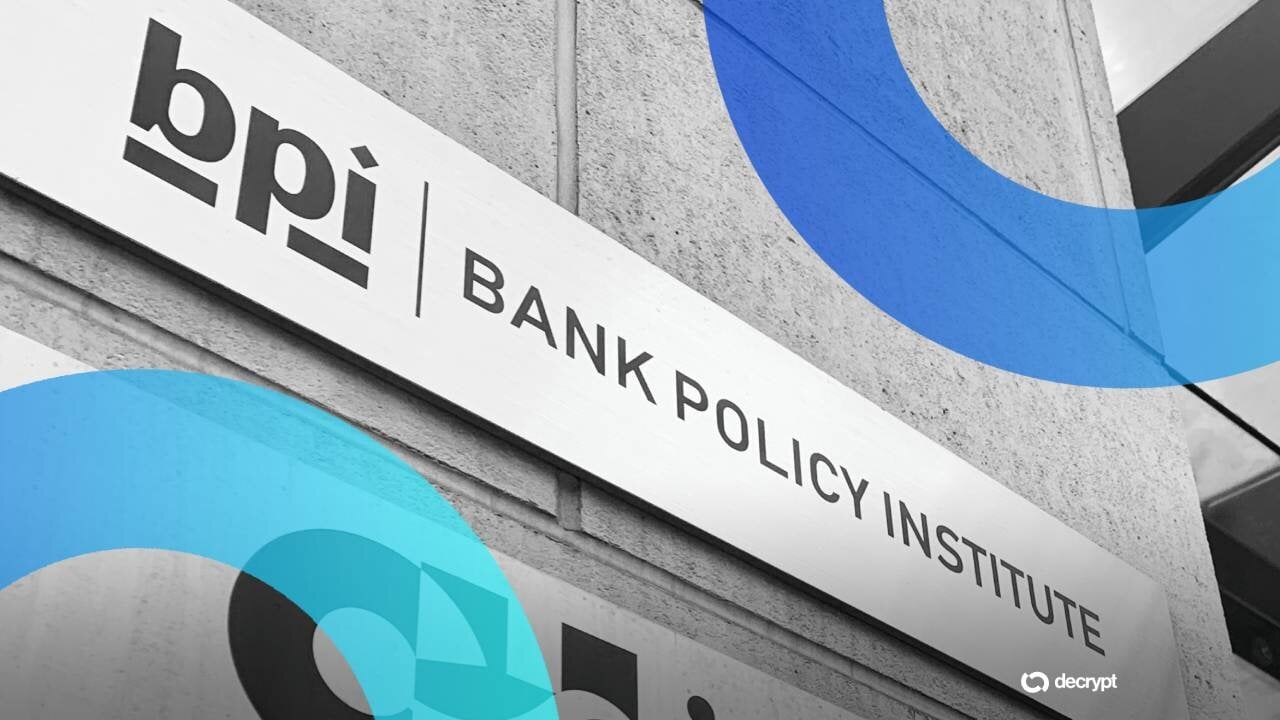
Banking industry trade groups argue AML rules should focus on higher-risk activity while addressing gaps in stablecoin secondary markets. This report
Read Full Story at Decrypt →Why This Matters
The banking industry's push for stablecoin regulations reflects a critical pivot in how digital assets are policed. By targeting secondary markets—where the bulk of trading volume and liquidity reside—they aim to close loopholes that could otherwise undermine anti-money laundering (AML) enforcement. This stance also underscores the growing institutional acceptance of stablecoins as a legitimate financial instrument, despite their decentralized origins.
Background Context
Stablecoins emerged as a bridge between traditional finance and cryptocurrency, designed to maintain a 1:1 peg with fiat currencies like the U.S. dollar. However, their rapid adoption in secondary markets—where they're traded for speculation or as a hedge—has outpaced regulatory frameworks, leaving gaps in oversight. Trade groups like the Bank Policy Institute now argue that AML rules must evolve to address these high-risk, non-primary transactions without stifling innovation.
What Happens Next
Regulators are likely to prioritize secondary market oversight in upcoming stablecoin legislation, particularly as Congress revisits the issue amid broader crypto market volatility. The challenge will be balancing stricter AML requirements with the need for liquidity, potentially leading to tiered compliance rules. Watch for proposals that distinguish between institutional traders and retail users, as well as potential exemptions for low-risk activities.
Bigger Picture
This debate spotlights the tension between decentralization and regulatory control, a recurring theme in crypto policy. It also signals a maturing market where traditional financial institutions want a seat at the table, even if it means subjecting stablecoins to traditional banking oversight. The outcome could set a precedent for how all digital assets—from CBDCs to DeFi tokens—are regulated in the years ahead.




