Bitcoin Must Prepare for Quantum Threat Now, Coinbase Says
Coinbase's quantum advisory council says crypto developers should begin post-quantum migration work now, warning that unresolved questions around abandoned and vulnerable coins could become one of Bi…
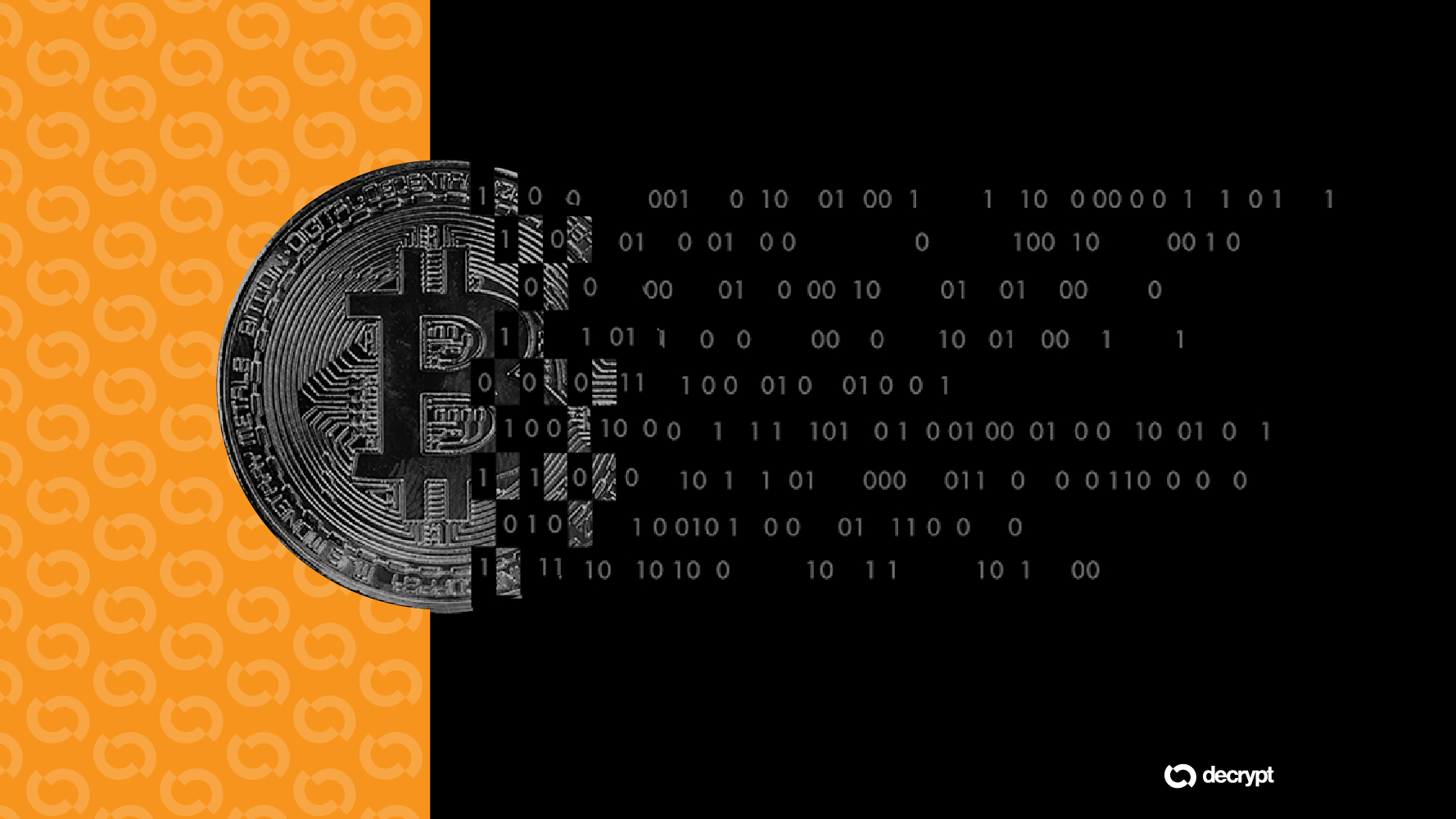
Coinbase's quantum advisory council says crypto developers should begin post-quantum migration work now, warning that unresolved questions around aban
Read Full Story at Decrypt →Why This Matters
The warning from Coinbase’s quantum advisory council underscores a looming, existential challenge for Bitcoin and the broader cryptocurrency ecosystem. Quantum computing’s potential to crack widely used cryptographic algorithms could render obsolete the very foundation of blockchain security, forcing a reckoning with vulnerabilities built into systems that have operated with near-unshakable trust for over a decade. Delaying action isn’t just risky—it risks eroding confidence in decentralized finance at a time when institutional adoption is accelerating.
Background Context
Bitcoin’s cryptographic backbone relies on SHA-256 and ECDSA, algorithms that have withstood decades of scrutiny but remain vulnerable to quantum attacks. While theoretical now, quantum computers capable of breaking these systems are a matter of ‘when,’ not ‘if,’ with estimates ranging from a decade to just a few years. Meanwhile, the crypto industry’s response has been fragmented—some projects experiment with post-quantum cryptography, but most remain complacent, assuming quantum threats are too distant to prioritize.
What Happens Next
Developers must accelerate migration to quantum-resistant algorithms, but the transition is fraught with complexity—retrofitting legacy systems while maintaining interoperability could stall progress or even fracture networks. Regulators may step in to mandate standards, adding compliance burdens to an already fragmented ecosystem. The most immediate risk, however, lies in abandoned coins or wallets using outdated keys, which could become low-hanging fruit for quantum hackers once the technology matures.
Bigger Picture
This issue reflects a broader tension in tech policy: the clash between rapid innovation and the glacial pace of foundational security updates. It also highlights how cryptocurrency’s decentralized nature complicates collective action—without a unified response, the weakest links will determine the fate of the entire system. As quantum threats grow, the crypto industry’s ability to self-regulate may be tested like never before.




