Bitcoin recovery rests on US-Iran deal as momentum remains weak
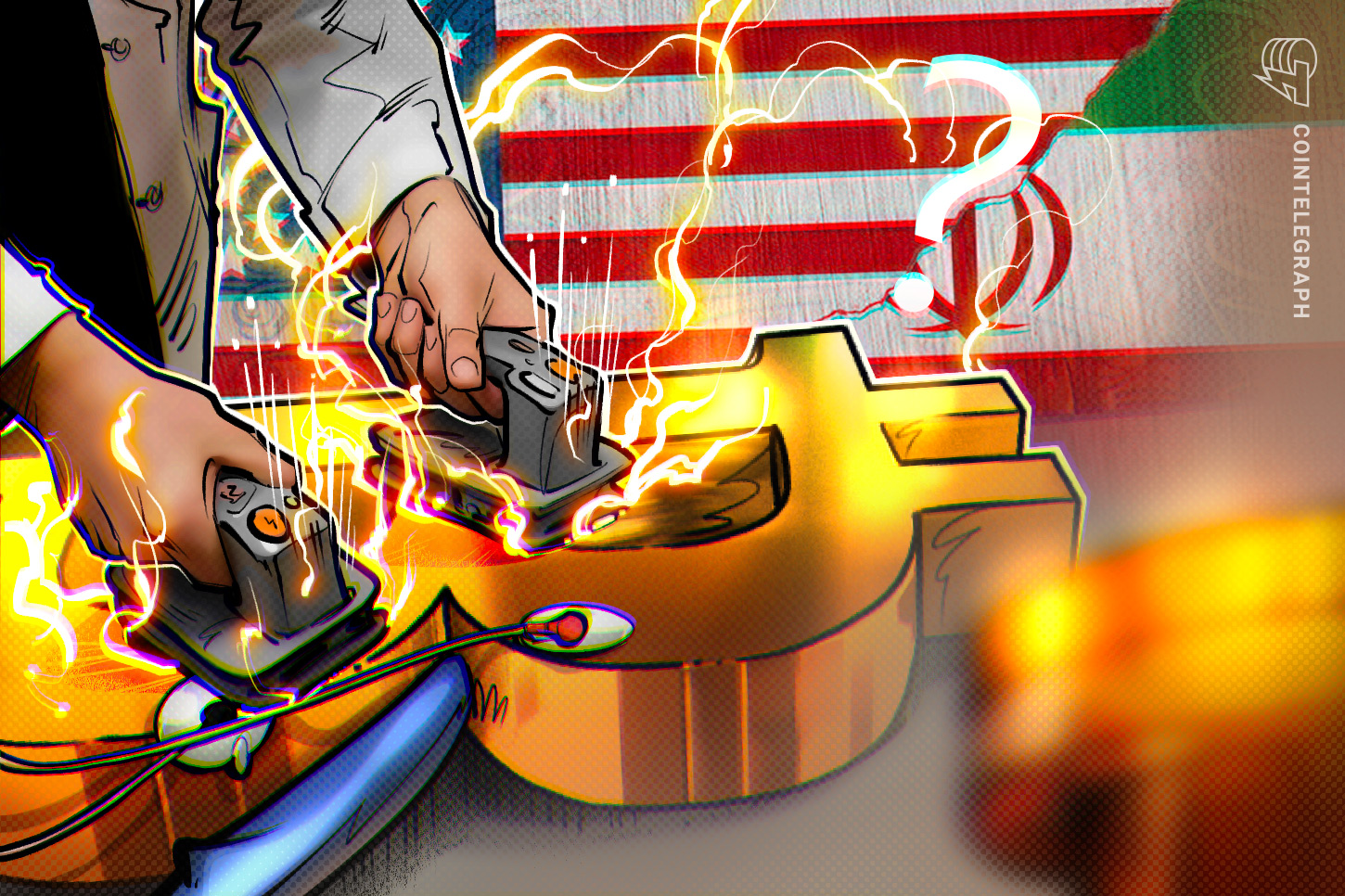
LVRG Research director Nick Ruck says Bitcoin could face a “volatile path” if a recently agreed peace deal between the US and Iran breaks down.
CoinTelegraph — 15 June 2026
Text:
11
0
0
LVRG Research director Nick Ruck says Bitcoin could face a “volatile path” if a recently agreed peace deal between the US and Iran breaks down. This
Read Full Story at CoinTelegraph →
⚡ Quickyla Analysis
Original editorial context — not sourced from the article above
The fragile recovery of Bitcoin hinges not just on technical indicators or macroeconomic shifts, but on a geopolitical wildcard: the fate of the U.S.-Iran deal. While cryptocurrency markets often move in response to regulatory news or institutional adoption, the relationship between Bitcoin’s price and geopolitical stability is a reminder of how deeply digital assets have woven themselves into the fabric of global risk. A breakdown in negotiations between Washington and Tehran could trigger a cascade of consequences—escalating tensions in the Middle East, renewed sanctions, or even direct conflict—that would likely send shockwaves through risk assets, including Bitcoin. Investors have grown accustomed to treating cryptocurrencies as a hedge against traditional financial instability, but their sensitivity to geopolitical events suggests they remain vulnerable to the very realpolitik that shapes global markets.
This isn’t the first time Bitcoin has been swayed by geopolitical tremors. During periods of heightened U.S.-China trade friction or Russia’s invasion of Ukraine, Bitcoin often exhibited risk-on behavior, rallying as investors sought alternatives to traditional currencies or assets tied to conflict zones. Yet what makes the current situation distinct is the high-stakes nature of the U.S.-Iran negotiations, which could redefine energy markets, supply chains, and regional security—all factors that indirectly influence Bitcoin’s perceived utility. Iran’s role as a major oil producer means any disruption to its exports could spike energy prices, stoking inflation fears that might push investors toward assets like Bitcoin as a hedge. Conversely, a successful deal could ease tensions, reducing perceived demand for alternative stores of value.
The open question is whether Bitcoin’s correlation with geopolitical risk is sustainable or merely a temporary phenomenon. If the U.S. and Iran fail to reach an accord, and if that failure leads to market turbulence, Bitcoin’s volatility could intensify, testing its reputation as a digital safe haven. Alternatively, if the deal holds, Bitcoin may struggle to sustain its current rally, particularly if traditional markets stabilize. For now, traders will be watching the headlines closely—but in the world of cryptocurrency, where sentiment can shift as quickly as a tweet, the next move may hinge less on code and more on diplomacy.
Sources
📈 Markets & Finance
Sam Altman says OpenAI's top token spender uses 100 billion tokens a month — and they're not even the world leader

📈 Markets & Finance
Intel, AMD, Micron shares sink as Broadcom results spark semiconductor sector sell-off
📈 Markets & Finance
A new NJ bill would hand pet owners up to $900 in tax credits — and your state could be next
📈 Markets & Finance
Addressing Investor Transparency, Updates from Euronet Worldwide’s (EEFT) First Analyst Day in a Decade

📈 Markets & Finance
This Smart‑Money Legend Won Big on Intel. The Rest of His Portfolio Might Be Even More Revealing

📈 Markets & Finance
MGM Resorts stock jumps as Barry Diller's People Inc. makes bid to take over the company


