📈 Markets & Finance
Live
Bitcoin Steadies Near $64K as Analysts Eye Floor After Hawkish Fed
BTC slid to around $64,100 after Kevin Warsh's hawkish debut, but analysts argue a $60,000 floor and catalysts could spark a rebound.
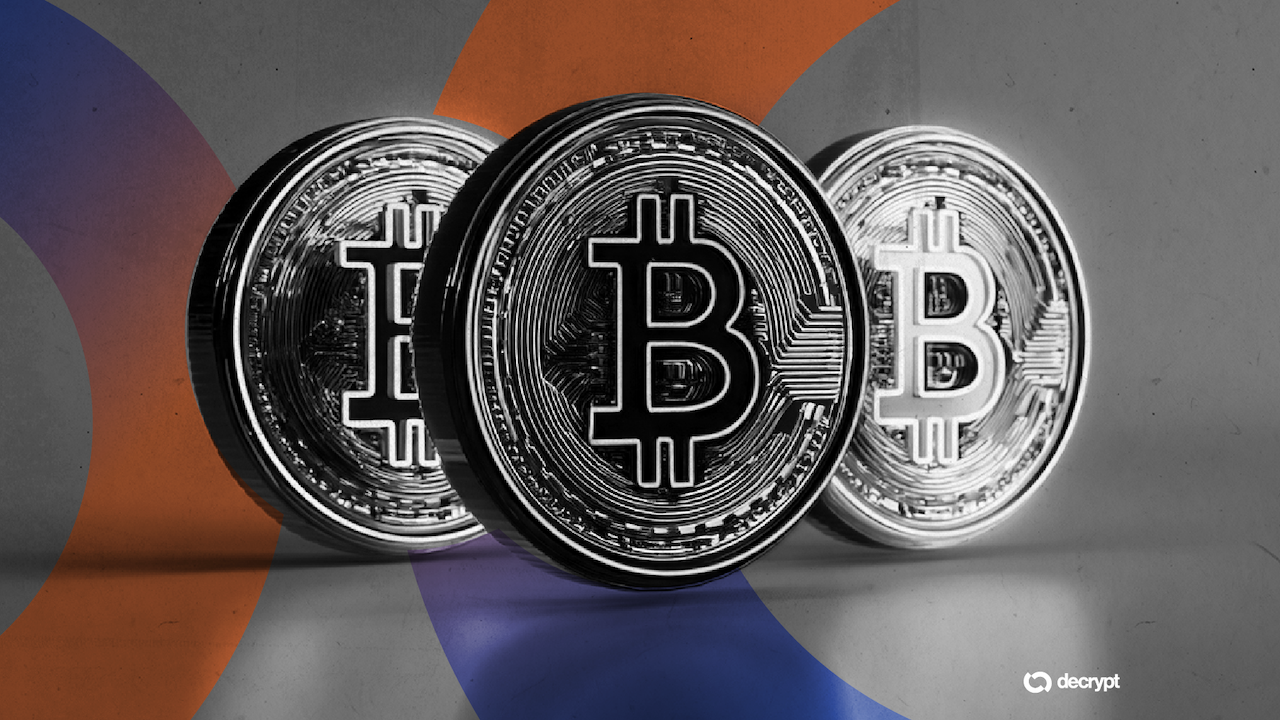
Decrypt — 18 June 2026
Text:
25
0
0
BTC slid to around $64,100 after Kevin Warsh's hawkish debut, but analysts argue a $60,000 floor and catalysts could spark a rebound. This report com
Read Full Story at Decrypt →
⚡ Quickyla Analysis
Original editorial context — not sourced from the article above
Bitcoin’s recent resilience near $64,000, following a sharp dip triggered by Federal Reserve signals, underscores the cryptocurrency’s evolving relationship with traditional monetary policy. While digital assets were once dismissed as immune to macroeconomic shifts, their growing institutional adoption has tethered them more closely to the Fed’s policy trajectory. The episode highlights how Bitcoin, now a $1.2 trillion asset class, reacts to perceived shifts in liquidity conditions—much like traditional markets—though with added volatility. This isn’t just a price fluctuation; it reflects a broader reckoning with whether Bitcoin can ever decouple from the financial system it was designed to disrupt.
The backdrop of Kevin Warsh’s hawkish remarks adds another layer. Warsh, a former Fed governor, has long been a skeptic of loose monetary policy, and his influence—both within and outside the central bank—could signal a shift toward prolonged higher interest rates. For Bitcoin, that means reduced risk appetite from speculative traders and hedge funds, which often borrow cheaply to fund leveraged crypto positions. Yet the $60,000 floor analysts cite isn’t arbitrary. It aligns with Bitcoin’s historical drawdowns during rate-hike cycles, particularly when mining costs and investor break-even prices converge. If the Fed holds rates steady, this level could act as a psychological and technical support zone—one that, if breached, might trigger a cascade of stop-loss orders and liquidations.
What happens next hinges on two key variables: Fed policy and adoption momentum. If inflation cools faster than expected, the central bank could pivot, reviving risk-on sentiment and pulling Bitcoin higher. Alternatively, if hawkishness persists, the $60,000 floor could become a pivot point for a deeper correction. Meanwhile, the ETF approvals of early 2024 have introduced a new class of long-term holders, whose buying during dips could stabilize prices. The interplay between these forces will determine whether Bitcoin’s next move is a rebound or a retest of lower levels. Either way, the episode reinforces a critical truth: Bitcoin’s price isn’t just a function of speculation anymore, but of its place within the global financial system.
Sources
📈 Markets & Finance
Sam Altman says OpenAI's top token spender uses 100 billion tokens a month — and they're not even the world leader

📈 Markets & Finance
Intel, AMD, Micron shares sink as Broadcom results spark semiconductor sector sell-off
📈 Markets & Finance
A new NJ bill would hand pet owners up to $900 in tax credits — and your state could be next
📈 Markets & Finance
Addressing Investor Transparency, Updates from Euronet Worldwide’s (EEFT) First Analyst Day in a Decade

📈 Markets & Finance
This Smart‑Money Legend Won Big on Intel. The Rest of His Portfolio Might Be Even More Revealing

📈 Markets & Finance
MGM Resorts stock jumps as Barry Diller's People Inc. makes bid to take over the company


